


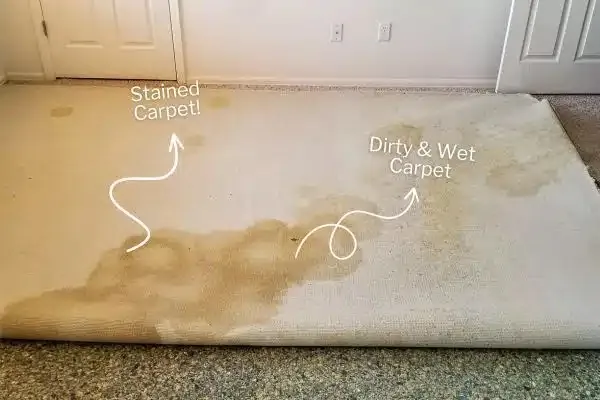
Best Ways To Restore Water Damaged Carpets
Addressing water-damaged carpets can be a challenging task, whether it’s due to leaks from windows or ceilings, old moisture trapped beneath the carpet surface, or unexpected spills. Heavy rainfall is one of the most common culprits, often leading to soaked and damaged carpets. In this blog, we will explore the “Best Ways To Restore Water Damaged Carpets,” providing you with effective strategies to address various conditions and restore your carpets to their original state.
Understanding the different causes of water damage is essential, but knowing how to restore it is equally important. In this discussion on the “Best Ways To Restore Water Damaged Carpets,” we will guide you through practical steps to tackle each scenario. By following the advice shared in this blog on the “Best Ways To Restore Water Damaged Carpets,” you’ll be better equipped to handle water damage and keep your carpets in top condition.
Understanding the Causes of Water Damage
Water damage can stem from several sources, each requiring a different approach for restoration. Knowing the cause is the first step in effectively restoring your carpet.
Leaks from Windows & Ceilings
Leaks from windows and ceilings are among the most common causes of water damage. Over time, even minor leaks can lead to significant water infiltration into your carpets. These leaks can be caused by poor sealing, ageing infrastructure, or severe weather conditions. The water seeps into the carpet fibres and, if left unchecked, can cause the underlay to become saturated, leading to mould growth and a weakened carpet structure.
To address this, you should first locate and repair the source of the leak. This might involve resealing windows, fixing roofing issues, or improving drainage around your property. Once the leak is repaired, focus on drying the carpet thoroughly, as outlined in the sections below.
Trapped Moisture Beneath the Carpet
Old moisture trapped beneath the carpet surface is a less visible but equally damaging issue. This moisture can accumulate due to high humidity, slow leaks, or previous spills that were not adequately addressed. Over time, the trapped moisture can lead to the growth of mould and mildew, which not only damages the carpet but can also cause respiratory issues for inhabitants.
To properly assess and address this issue, you should lift the carpet and inspect the underlay for any signs of mould or dampness. If the underlay is damaged, it may need to be replaced. Additionally, using a dehumidifier can help reduce moisture levels in the room, preventing further damage.
Spills and Heavy Rainfall
Spills are a frequent cause of water damage, especially in homes with children or pets. While small spills may not seem like a big deal, if they are not cleaned up quickly and thoroughly, they can lead to water damage over time. Similarly, heavy rainfall, particularly in homes with inadequate drainage systems or those located in flood-prone areas, can cause significant water intrusion.
In cases of heavy rainfall, it’s essential to act quickly. Start by removing any standing water using a wet vacuum or towels. Then, proceed to dry the carpet as detailed in the next section. For spills, blot the area immediately with a clean, dry cloth to absorb as much liquid as possible before it can penetrate deeper into the carpet fibres.
Best Ways To Restore Water Damaged Carpets
Restoring water-damaged carpets involves several steps, each of which is crucial to ensuring that your carpet is returned to its best possible condition. Below, we cover the most effective methods for carpet restoration.
Drying the Carpet Thoroughly
The first and most crucial step in restoring water-damaged carpets is thorough drying. The longer water sits in the carpet, the more damage it can cause, including mould growth and unpleasant odours.
- Remove Excess Water: Start by removing as much water as possible using a wet vacuum. These vacuums are designed to handle large amounts of liquid and can significantly reduce drying time. For smaller areas, towels can be used to absorb excess water, but be sure to replace them frequently as they become saturated.
- Promote Airflow: After removing the excess water, it’s essential to promote airflow to help the carpet dry faster. Open windows and doors, and use fans to circulate air in the room. Industrial fans or air movers can be particularly effective in speeding up the drying process.
- Lift the Carpet: If the carpet is still damp underneath, it’s necessary to lift it to allow air to circulate beneath. This helps dry the carpet pad and the floor underneath, preventing the growth of mould. Keep the carpet elevated until both it and the underlay are completely dry.
- Use a Dehumidifier (if available): In cases where humidity is high, using a dehumidifier can help reduce moisture levels in the air, making it easier for the carpet to dry thoroughly.
Cleaning and Disinfecting
Once the carpet is dry, cleaning and disinfecting it is critical to remove any dirt, bacteria, or mould spores that may have accumulated during the water exposure.
- Vacuuming: Begin by vacuuming the carpet thoroughly to remove any debris or dirt brought in by the water. Use a vacuum with a HEPA filter to ensure that any fine particles or mould spores are captured.
- Shampooing: Next, shampoo the carpet using a cleaner that’s appropriate for your carpet type. Ensure you follow the manufacturer’s instructions for the best results. Carpet shampoos designed for pet stains or high-traffic areas can be particularly effective at removing odours and stains caused by water damage.
- Disinfecting: After cleaning, it’s important to disinfect the carpet to kill any bacteria or mould spores. You can use a solution of water and white vinegar or a specialised carpet disinfectant. Apply it evenly across the carpet and allow it to sit for the recommended time before rinsing it off.
- Anti-Microbial Treatment: For added protection, consider using an anti-microbial treatment on your carpet. This helps prevent mould and mildew from returning, particularly in areas with high humidity.
Professional Carpet Cleaning & Restoration Services
For severe water damage, professional restoration services may be necessary. Professionals have access to advanced equipment and expertise that can ensure your carpet is restored effectively.
- Expert Assessment: A professional will begin by assessing the extent of the water damage, including checking for hidden moisture that could lead to mould growth. This assessment helps determine the best course of action.
- Specialised Equipment: Professionals use industrial-grade equipment, such as high-powered extraction machines, dehumidifiers, and air movers, to dry carpets quickly and efficiently. They also have access to specialised cleaning solutions that can effectively remove stains and odours.
- Mould Remediation: If mould has started to grow due to the water damage, professionals can provide mould remediation services. This involves removing the mould and treating the area to prevent future growth, ensuring a healthy indoor environment.
Restoring water-damaged carpets requires a thorough understanding of the causes and the right techniques to address them. By following the best practices outlined in this blog on the “Best Ways To Restore Water Damaged Carpets,” you can effectively restore your carpets and prevent future damage. Whether you’re dealing with minor spills or significant water damage from heavy rainfall, these steps will help you maintain the appearance and integrity of your carpets. For severe cases, don’t hesitate to seek professional restoration services to ensure the job is done right.
At Elite Maintenance, we provide premium, compliant, and commercial-grade carpet cleaning and restoration services. Our fully trained technicians operate in accordance with IICRC standards, ensuring the highest level of service and compliance. For assistance with water damage restoration or to discuss your specific needs, please call us on 131580 or contact us directly.