


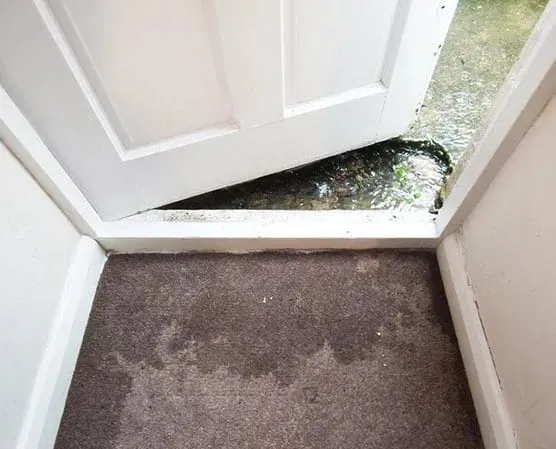
How to Address Water Damage in Carpets
When dealing with a water-damaged carpet, there’s often a fine line between salvaging it and having to replace it. In Australia, many property owners have faced water damage due to flooding. In cases where carpets are exposed to groundwater or floodwater, saving them may not be an option. This is because floodwater often carries sewage, bacteria, and toxic chemicals that pose serious health risks.
However, if the water damage is caused by a minor plumbing leak, rainwater intrusion, or an appliance overflow, it may still be possible to restore it—if you act quickly.
Why You Shouldn’t Ignore a Water-Damaged Carpet
“Don’t be tempted to just leave the carpet as it is,” explains an Elite Maintenance expert. “It’s crucial not only to stop the cause of the water damage but also to treat the carpet properly afterward. If left damp, carpets can develop mould growth, which can be extremely difficult to remove.”
Mould isn’t the only issue—water-damaged carpets are also prone to carpet rot, which can make them unsalvageable. That’s why immediate action is necessary.
Step-by-Step Guide: How to Save a Water-Damaged Carpet
If your carpet has suffered water damage, follow these steps to prevent mould, odours, and further deterioration:
- Prioritize Safety
Unplug and remove any electrical devices from the affected area. If water is near electrical outlets, turn off the power supply before stepping into the area. - Remove Excess Water
Move furniture away from the wet area to prevent further damage. Extract as much water as possible using buckets, mops, and towels. If power is safe, use a wet vacuum. - Lift the Carpet & Assess Underlay Damage
Gently lift the carpet to inspect the underlay. If it’s soaked, it may need replacing. Walls and skirting boards affected by water damage may also need treatment to prevent mould. - Speed Up the Drying Process
Use fans, open windows (if the weather is dry), or run a dehumidifier to remove moisture. Avoid heavy foot traffic over the damp carpet to prevent further damage. - Disinfect and Deodorise
Apply a professional-grade disinfectant to kill bacteria and eliminate odours. Store-bought household cleaners may not be strong enough to fully sanitise the water-damaged carpet. - Prevent Future Mould Growth
Once dry, treat the affected area with a high-quality anti-mould solution to prevent future infestations. If you notice a persistent musty smell, mould spores may already be spreading, requiring professional intervention.
When to Call a Professional Carpet Cleaner
Although DIY methods can help, calling a professional carpet cleaning service is always the best course of action. Experts have industrial-grade equipment to extract deep moisture, dry carpets faster, and apply specialized treatments to restore your carpet properly.
If your water-damaged carpet isn’t drying within 48 hours or shows signs of mould growth, replacement may be the only option. Quick action is key to minimizing damage and health risks.
“A water-damaged carpet doesn’t always mean the end for your flooring. If the water source is clean and you act fast, restoration is possible. However, ignoring a damp carpet can lead to mould, rot, and costly replacements. Follow these steps and consider professional help to restore your carpet effectively.”
At Elite Maintenance, we operate in accordance with IICRC standards, ensuring compliance and excellence in all our restoration services. For expert assistance, call us on 131580 or contact us today.