


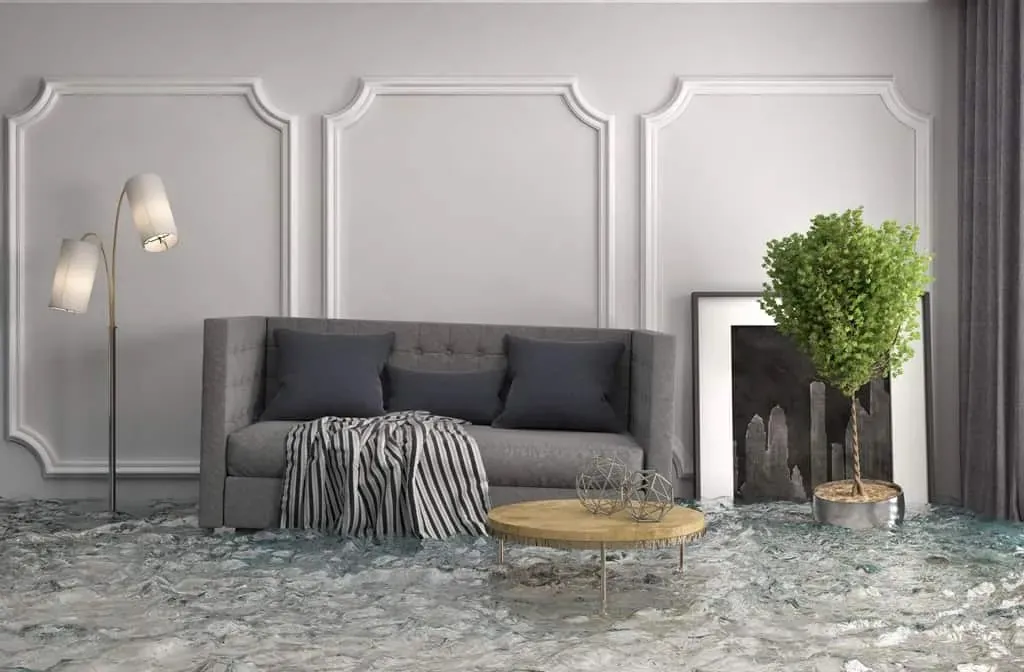
Water Damage Restoration for Carpets: A Comprehensive Guide
Water damaged carpets present significant challenges for both homeowners and businesses. Whether caused by leaking roofs, burst pipes, overflowing drains, or backed-up sewage systems, the impact on your carpets can be both costly and disruptive. Effective management of water extraction and drying is crucial to prevent further complications.
Understanding Water Damage: Clean, Grey, and Black Water
The approach to managing flooding events varies based on the type of water involved:
- Clean Water: Water that does not pose health risks, making extraction, drying, and cleaning relatively straightforward for professionals.
- Grey Water: Water from sources like faulty dishwashers or washing machines. While not entirely clear, it may contain chemicals that can affect the colour and longevity of your carpets.
- Black Water: Highly contaminated water, such as sewage, often necessitating complete carpet replacement.
To effectively restore and preserve valuable flooring and upholstered furniture exposed to water damage, immediate action is essential. Mould can begin to develop within 24 to 48 hours, particularly in warm, humid climates like Queensland, posing serious health risks.
Preventing Mould Growth After Water Damage
For minor water damage, prompt removal of excess water is critical in reducing mould growth risk:
- Remove furniture from wet areas and take away rugs and runners to prevent colour leaching.
- Use towels to soak up excess water, pressing down to absorb moisture effectively.
- Ventilate the area by opening windows if conditions allow, or use fans to circulate air.
- In humid conditions, close windows and use air conditioning to maintain a cooler environment.
Seeking Professional Assistance
Site Assessment
Depending on the type and extent of water damage, it may be prudent to arrange a site assessment with a reputable restoration operator. This assessment will guide the necessary steps for restoring your carpets and furniture, helping you determine whether water extraction and restoration are viable options or if insurance claims should be considered.
Water Extraction
Once assessed, immediate water extraction is vital to prevent further damage and mould growth. This process may involve removing underlay to expose the sub-floor, ensuring that any additional water damage is visible for appropriate remediation.
Drying and Dehumidifying
Effective drying of carpets and underlays requires specialised commercial equipment, including drying fans and dehumidifiers. Ensuring that carpets are completely dry, with no moisture trapped in fibres or underlays, is essential for preventing future issues.
Anti-Microbial Application
To combat potential microbial growth, applying an anti-microbial solution is advisable. This step ensures that mould and bacteria do not thrive in underlays and carpet fibres, providing peace of mind, especially for families with young children.
Carpet Restoration After Water Damage
Complete restoration of a saturated carpet can take several days. Our Elite Carpet Dry Cleaning technicians will assess your situation during the site evaluation and recommend the most effective restoration process tailored to your needs.
For professional assistance with water damage restoration and compliance with IICRC standards, please call us on 131580 or contact us.