 ▶
▶
Every facilities manager has had this conversation.
The school holiday clean went ahead.
The cleaner left.
The classrooms were locked up. And on the first morning back, a teacher walks in and says: "It smells weird in here."
Nine times out of ten, the carpet isn't the problem.
The cleaning method is.
What's Actually Happening
Most "carpet cleaning" in Australia is hot-water extraction, what most people call steam cleaning.
A machine injects hot water and detergent through the carpet pile, down into the underlay, and usually onto the concrete slab below.
A wand then sucks most of it back out.
"Most" is the operative word.
The carpet, the underlay, and often the slab itself stay damp for hours.
In a school environment where the room is then locked up for the weekend, with the air-conditioning off and no ventilation, that damp has nowhere to go.
The result is the smell every teacher notices on Monday, and, in worse cases, the conditions that let mould begin.
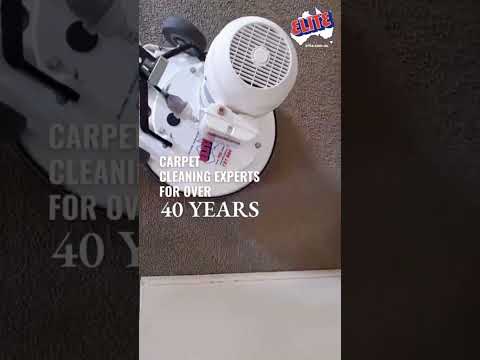
Elite Carpet Cleaning has been working in Australian schools for over 40 years, and 99% of our franchise network has only ever used one method on a school carpet: dry cleaning.
What Dry-Cleaning Actually Is
"Dry cleaning" is a slightly misleading name, it's still a wet process, but the carpet itself never gets wet.
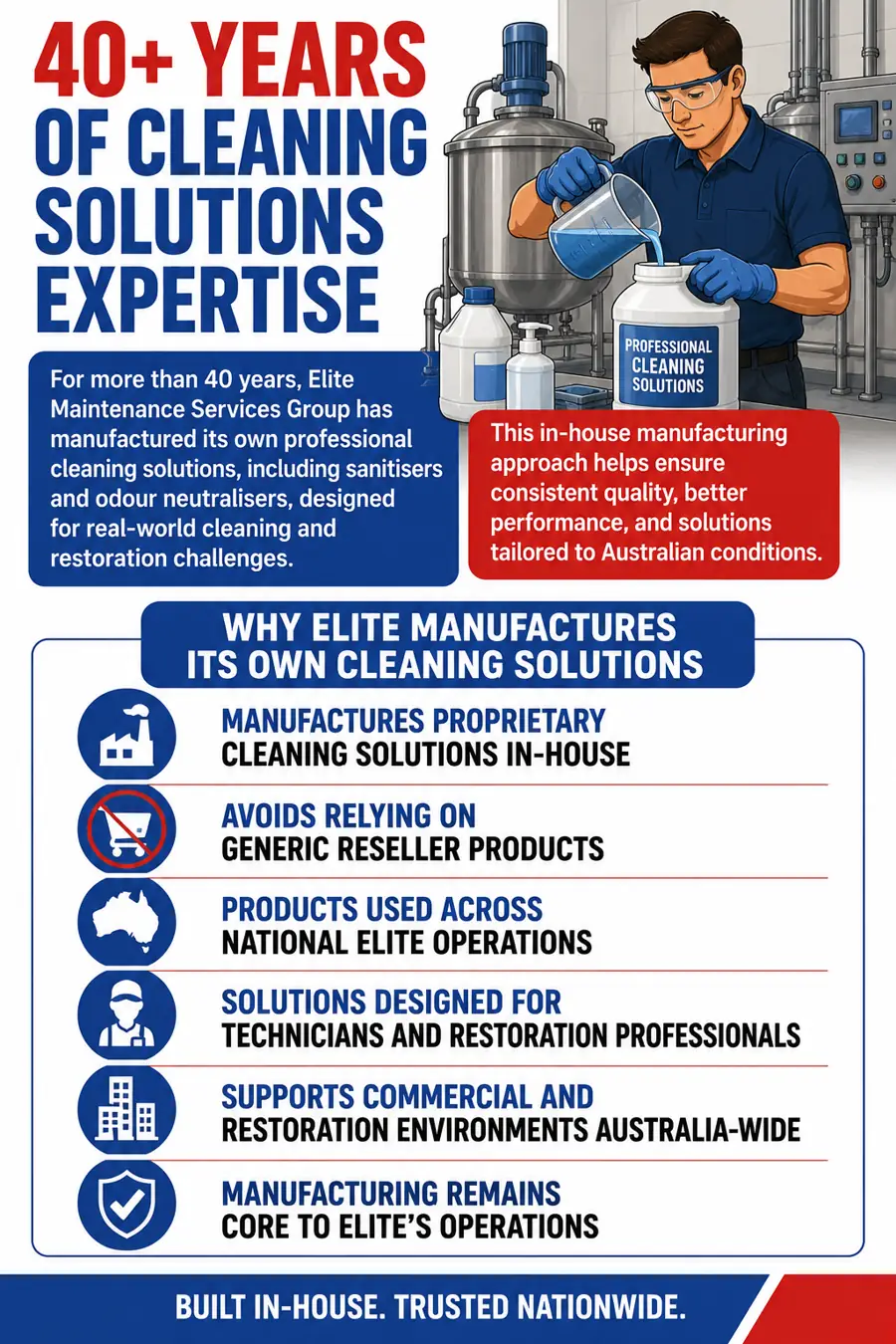
The method uses a proprietary cleaning solution and a low-moisture machine that works the solution into the top layer of the pile (where the dirt lives) and lifts it back out.
The solution recipe hasn't changed in 40 years because it works.
The practical difference for a school is this: the carpet is dry in 1–2 hours.
In a typical 3-by-4-metre classroom, the carpet is touch-dry by the time the technician finishes the final pass and walks to the door.
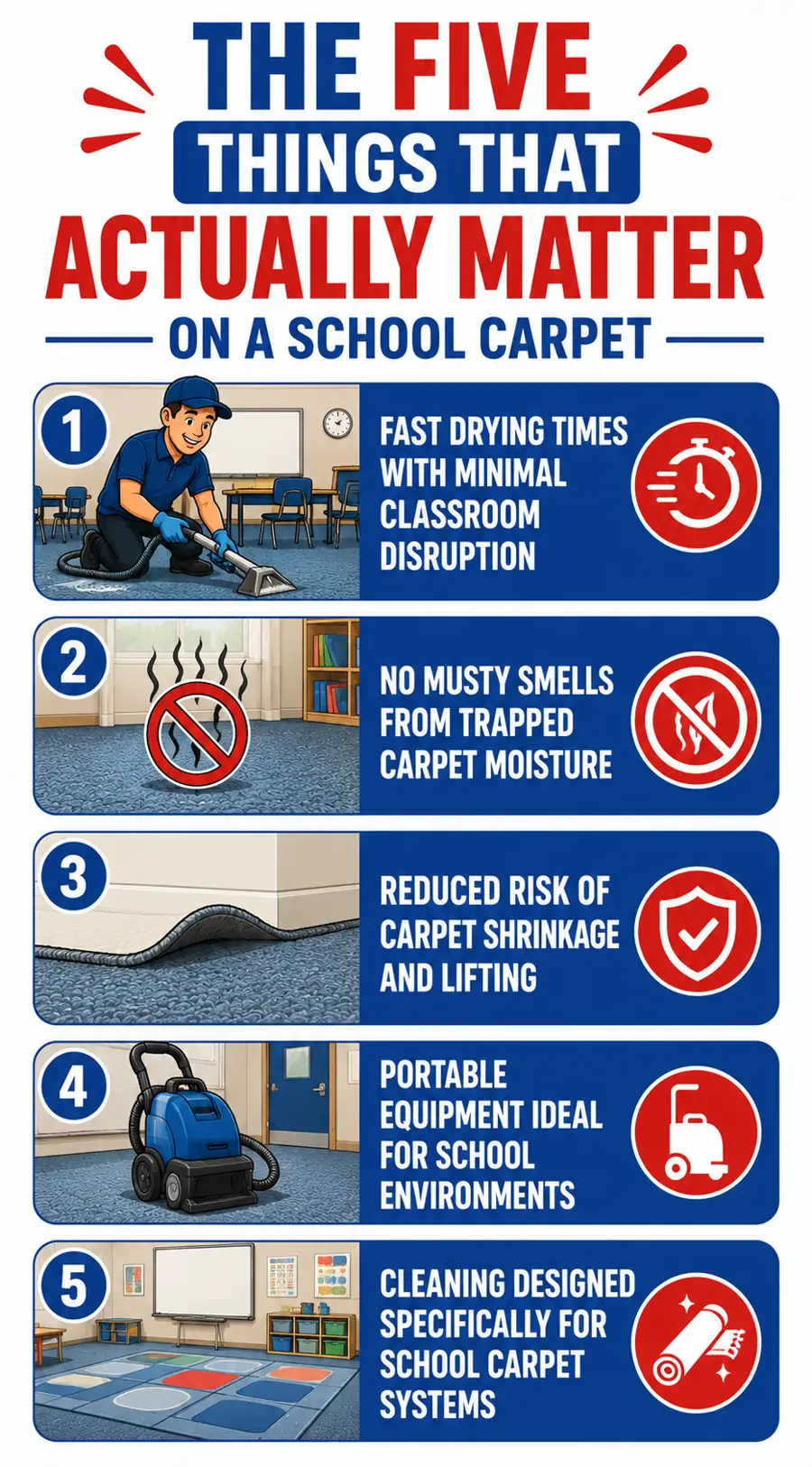
The Five Things That Actually Matter on a School Carpet
- Drying time. Dry by lunchtime, not dry by Tuesday. Classrooms that get cleaned on a Friday afternoon are usable on Monday morning without any musty smell because there was no moisture left to evaporate.
- No musty smell. This is the one principals care about, and it's downstream of drying time. If the room dries before you lock it up, it doesn't smell when you unlock it.
- No shrinkage. Hot-water extraction over-saturates wool and wool-blend carpet, which can shrink. Think of a wool jumper in a hot wash, it comes out smaller. Most modern school carpets are shrink-resistant, but the underlay isn't, and a saturated underlay is what causes pulling, lifting, and unsightly ripples along edges.
- Portability. Most Australian schools weren't built with elevators. A dry-cleaning kit is carried up stairs and through narrow corridors without dragging 30-metre hoses past offices and classrooms.
- Right fit for school carpet. School carpets are low-pile, glued down, and built for traffic, not the thick fibre you'd put in a bedroom. The dry method cleans the part of the pile that actually gets dirty without forcing moisture through to the underlay.
When Is Hot-Water Extraction the Right Call?
We'll be honest, sometimes it is.
A heavily soiled, greasy carpet in a commercial kitchen or restaurant often does need extraction.
And there are occasions on a school site (a flooded staff room, a long-term neglected resource room) where we'll recommend extraction for one room inside an otherwise dry-clean job.
That nuance is part of the conversation we have on every quote, we recommend the right method for each room, not the same method for the whole site.
What a Typical School Engagement Looks Like
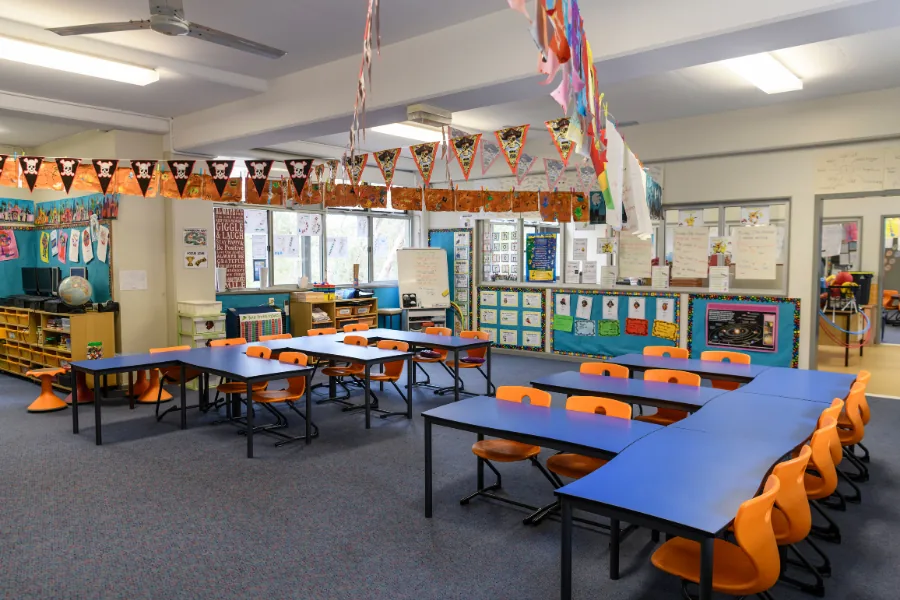
Most schools work with us on a holiday-clean cycle: we attend during a school holiday block, clean the full carpeted area room by room, and hand the school back a fully dry, ready-to-use site before students return.
Some schools prefer term-time evening cleans for high-traffic common areas (libraries, staff rooms) and only the classrooms over the holidays.
We can do either.
Multi-year contracts include a CPI-adjustment clause so pricing stays fair as costs change.
For schools that procure cleaning via tender, we can supply our certificates of currency, safety data sheets, and accreditation documentation as part of the response pack.
Accreditations and Track Record
- 40+ years servicing Australian schools across VIC, QLD, TAS, and NSW
- CM3 safety-prequalification accredited
- IICRC technician certifications
- FCA (Franchise Council of Australia) member
- RIA (Restoration Industry Association) member
- Insurance-grade certificates of currency available on request
Try It Free
We offer every school a free on-site demo on one room of your choice, plus a free bottle of our Super Spotter for your cleaning staff to keep.
It takes about 20 minutes.
You watch the carpet dry.
You decide whether to talk further.
If that sounds useful, book a time here, or call your local Elite team directly here.
 Carpet Cleaning
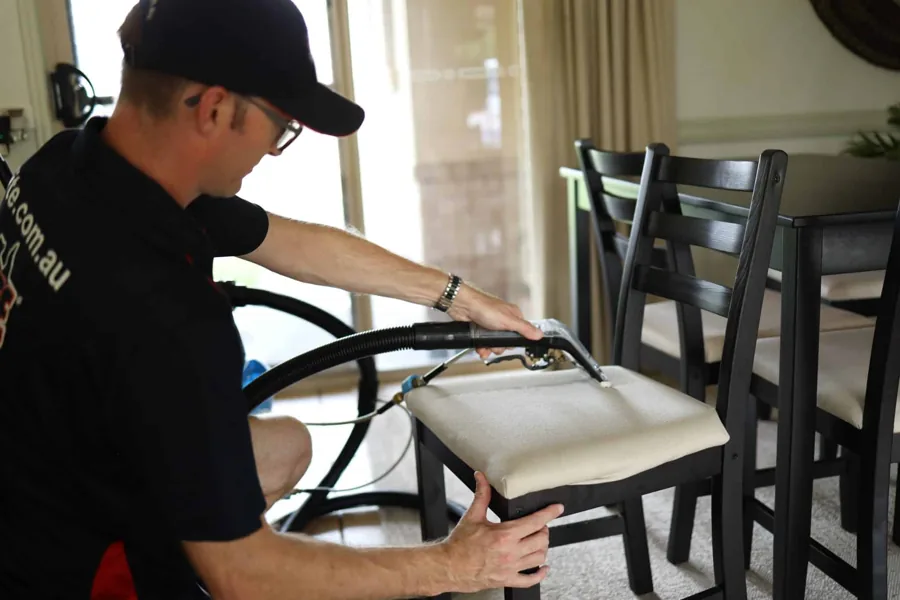 Couch & Upholstery Cleaning
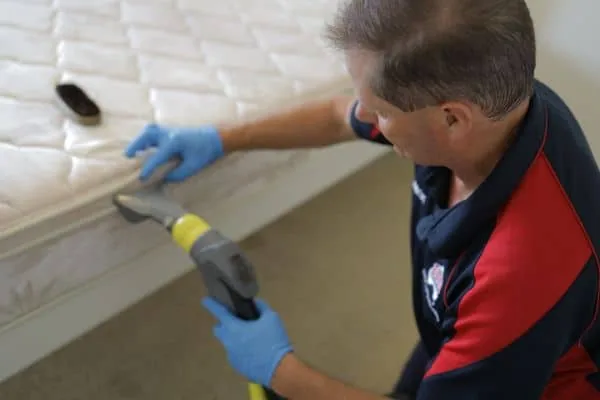 Mattress Cleaning
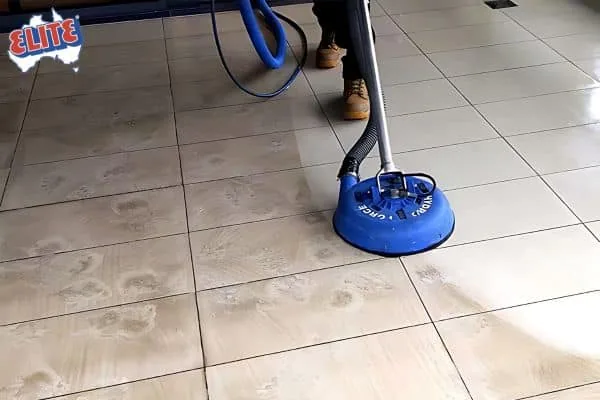 Tile & Grout Cleaning
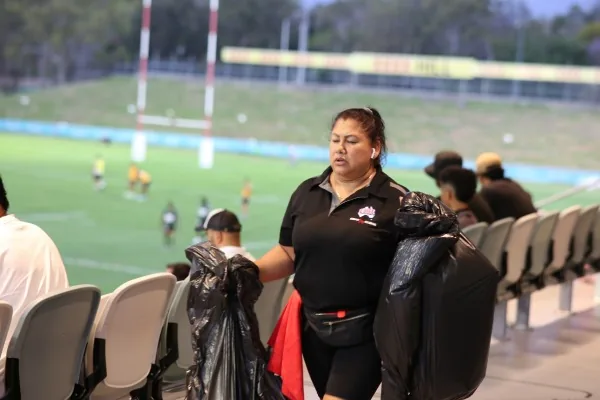 Commercial Cleaning
 Water Damage Restoration
 Fire and Smoke Restoration
 Mould Removal
 Mould Testing
 Laser Cleaning
 Pest Control
 Asbestos Removal
 Asbestos Testing
 Office Cleaning
 Graffiti Removal
 Dry Ice Blasting
 Pressure Washing
 Solar Panel Cleaning
 Structural Drying
 Dehumidifier Hire
 Air Quality Testing
 Floor Sanding
 Lead Paint Removal
 Roof Cleaning
 Gutter Cleaning
 Trauma & Crime Scene Cleaning
 Deceased Estate Clearing
 Hoarding & Squalor Cleaning
 Meth Testing & Decontamination