Compliance, continuity, and scope certainty, without guesswork
If you manage sites where compliance, continuity, and asset integrity are
non-negotiable, or you're handling claims that need clear technical
justification, our standards-led approach is built for you.
- Clear scope definition
- Risk-managed delivery
- Measurable verification
- Defensible documentation
IICRC S500 • S520 • S700 • S100 ·
CM3 Certified · National Coverage · 24/7 Response
Why IICRC standards matter in the Australian market
Restoration and hygiene work often sits inside high-stakes environments.
IICRC provides a professional standard of care, consistent, repeatable, and
technically defensible.
Where the risk profile is highest
- Commercial buildings and portfolio assets
- Government and defence facilities
- Education and healthcare sites
- Strata and high-occupancy properties
- Insurance claims with scope sensitivity and liability exposure
What this means for insurers & facilities managers
An IICRC-aligned approach supports clearer decisions, reduced disputes,
and safer outcomes:
- Clear scope definition
- Risk-managed delivery
- Measurable verification
- Repeatable national outcomes
- Defensible documentation
Practically: less ambiguity, fewer disputes, and more reliable close-out
decisions.
Elite's IICRC certifications
The standards that guide our methodology from initial assessment through
to verification and close-out.
ANSI/IICRC S500, Water Damage Restoration
Categories, classes, psychrometry, monitoring, and documentation for
defensible structural drying.
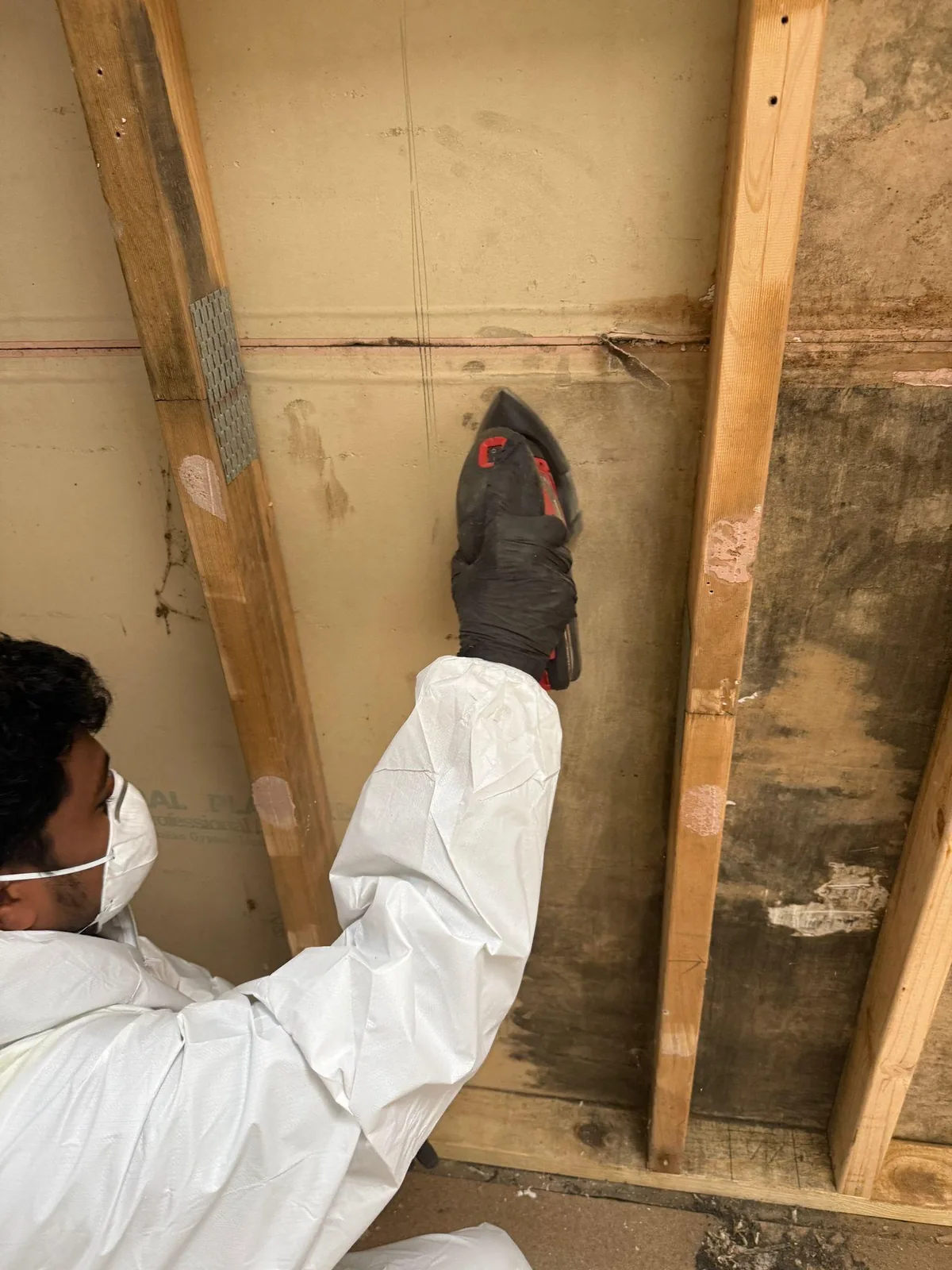
ANSI/IICRC S520, Mould Remediation
Containment, source removal, engineering controls, and a PRV-ready
workflow.
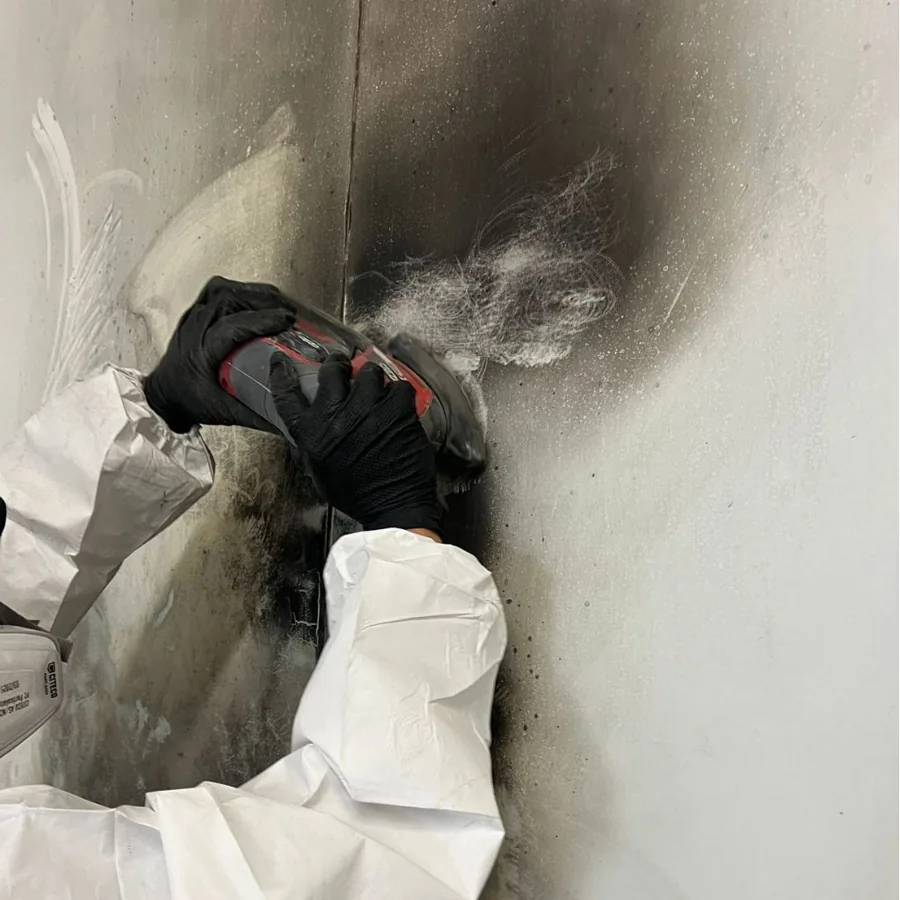
ANSI/IICRC S700, Fire & Smoke Restoration
Residue identification, triage, odour-control strategy, and clearance
discipline.
ANSI/IICRC S100, Textile Floor Covering Cleaning
Fibre-safe extraction, controlled drying, hygiene performance, and asset
longevity.
Built for control, compliance, and continuity
Fast action without losing technical discipline, designed for claim
outcomes and operational continuity.
- Safety & health controls, site-safe delivery,
hazard control, and risk-managed workflows for occupied and regulated
environments.
- Inspection + documentation, measurable data capture,
defined goals, and scope clarity to speed decisions.
- Mitigation of further damage, stabilise early to
reduce secondary loss, mould risk, and claim escalation.
- Close-out verification + reporting, verified
endpoints and reporting ready for stakeholders, audits, and claims
workflows.
How our certifications connect to services
S500, 24/7 Water Damage Restoration
Time-critical stabilisation and drying using categories, classes, and
psychrometry, backed by logged monitoring.
- Category (contamination risk): 1, sanitary water;
2, significant contamination; 3, gross contamination (sewage /
floodwater).
- Class (evaporation load): Class 1–4 based on wet
surface area and porosity; equipment sized for efficient drying.
- Psychrometry: temperature, humidity, and airflow
managed to drying goals, reducing microbial risk and uncertainty.
- 24/7 water extraction + structural drying, moisture mapping +
monitoring logs, equipment placement + usage documentation.
S520, Mould Inspection & Remediation
Condition-based remediation with engineered controls to prevent
cross-contamination, built for occupied environments.
- Conditions: 1, normal fungal ecology; 2, settled
spores/fragments; 3, active mould growth.
- Core principle: physical removal of contamination, fogging and coatings are not substitutes.
- Engineering controls: containment and negative-pressure
strategies protect unaffected zones and occupants.
- Outcome: reduced liability exposure and clearer
defensibility for scope and results.
S700, Fire & Smoke Damage Restoration
Residue identification drives chemistry and method selection; triage
prevents permanent damage and improves odour outcomes.
- Residue types: natural, synthetic, protein.
- Residue behaviour: dry smoke (ashy/loose) vs wet smoke
(sticky/penetrating).
- Odour control (not masking): source removal,
counteractants where appropriate, oxidation-based deodorisation when
required, sealing only where justified.
- Clearance hallmark: the "white glove" test, no
visible residue transfer.
S100, Textile Floor Covering Cleaning
Controlled extraction and drying discipline to reduce wicking,
delamination, odour retention, and hygiene failure.
- Key risks without standards: browning/wicking,
shrinkage and distortion, backing delamination, odour retention.
- Services supported: carpet cleaning & sanitising,
commercial carpet cleaning & protection, specialist rug cleaning.
- Outcome: improved hygiene control, reduced replacement
risk, better long-term asset performance.
- Best practice: method selection based on fibre +
construction, with controlled drying to protect integrity.
Reporting, stakeholder alignment, and claim support
Outcomes must be measurable and explainable, supporting clearer scope
alignment and stronger defensibility.
Materially interested parties
- Owners and facilities managers
- Tenants and occupants
- Insurers, assessors, and claims teams
- Strata, property managers, and site stakeholders
Documentation packs
- Work logs and daily notes
- Moisture maps and monitoring results
- Equipment placement and usage logs
- Photo documentation and scope-control records
The result
- Clearer scope alignment and approvals
- Reduced dispute risk and rework
- Stronger defensibility for outcomes
- More confident close-out decisions
Related specialist services
Services often required alongside restoration and hygiene engagements:
- Mould Inspection & Remediation (IICRC S520), investigation, containment, and remediation after moisture intrusion or
prolonged saturation.
- Fire & Smoke Damage Restoration (IICRC S700), residue-led cleaning and odour control to support recovery decisions and
reduce rework.
- Commercial Carpet Cleaning & Protection (IICRC S100), standards-led extraction and controlled drying for hygiene performance
and asset life in high-traffic environments.
Need IICRC-aligned restoration & hygiene support?
Speak with a specialist 24/7. Arrange emergency stabilisation, schedule a
technical assessment, or request claims-ready documentation support, Australia-wide. Controlled scope • measurable verification
• defensible documentation.
 Carpet Cleaning
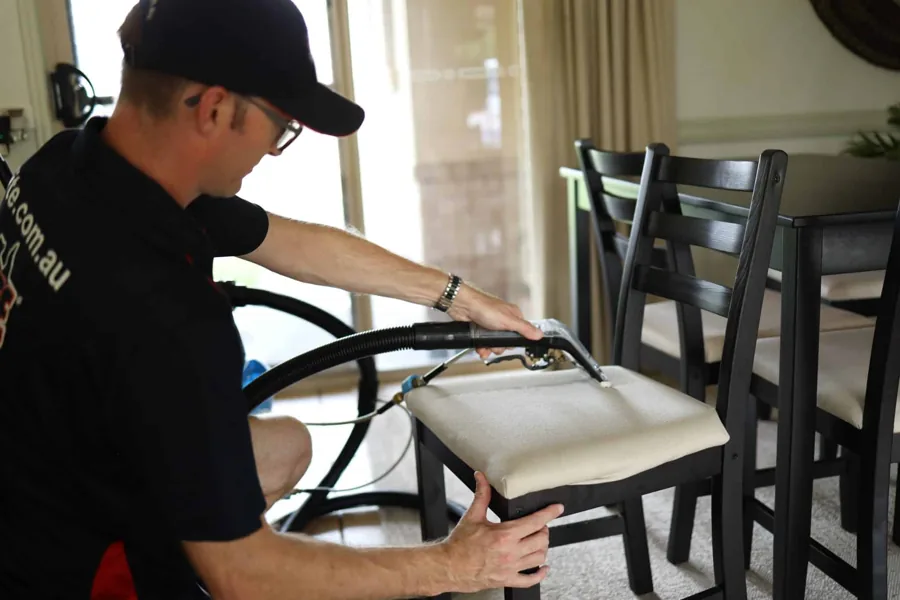 Couch & Upholstery Cleaning
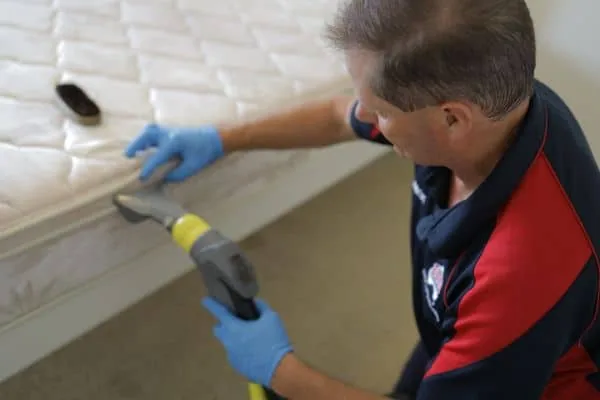 Mattress Cleaning
 Commercial Cleaning
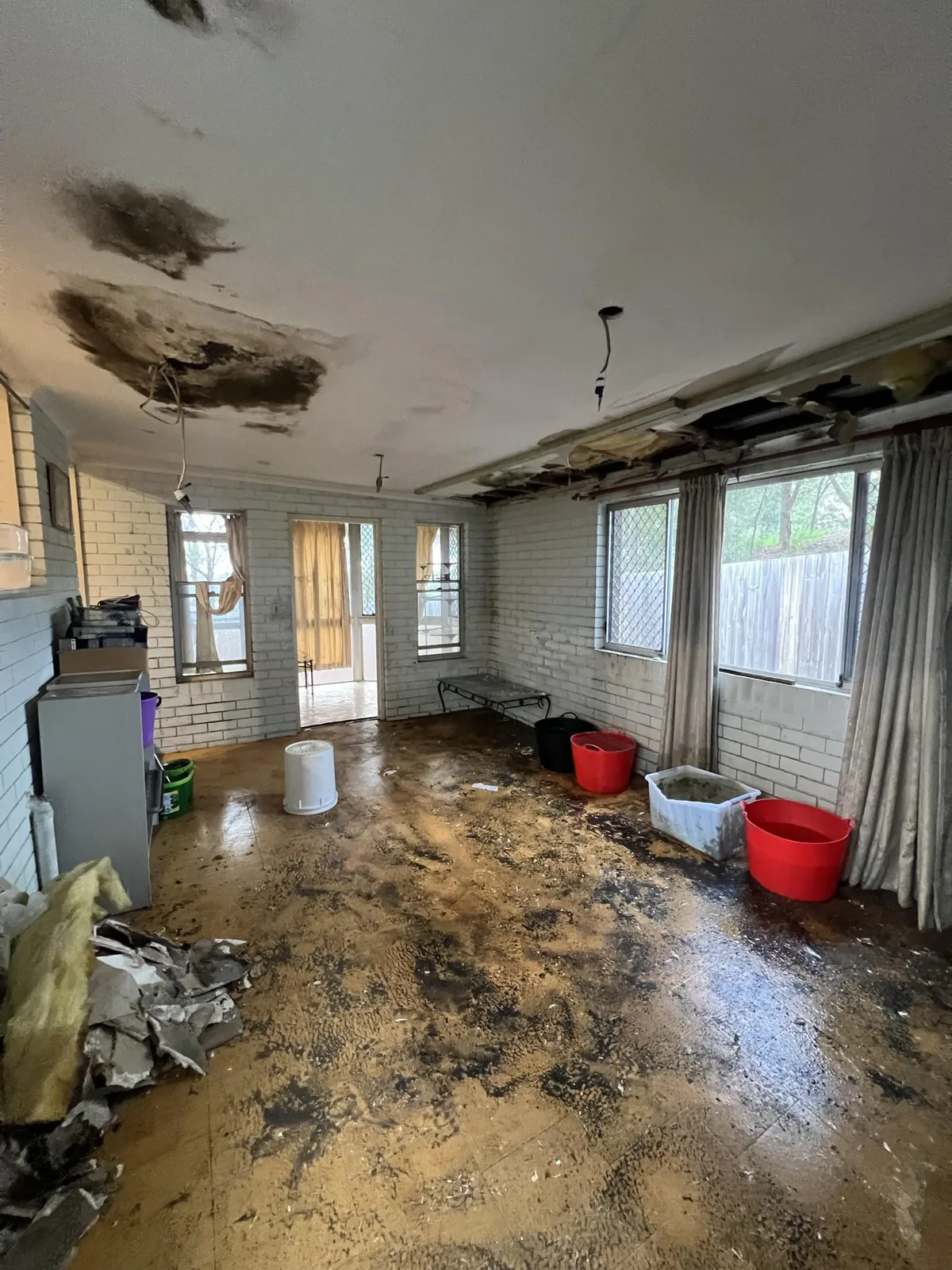 Water Damage Restoration
 Fire & Smoke Restoration
 Mould Removal & Remediation
 Laser Cleaning
 Pest Control
 Office Cleaning
 Dry Ice Blasting