A timber deck collects dirt, leaf stains, mould and old oil, and in a humid summer it can turn green and slippery in weeks. Cleaning it properly makes it safer underfoot and is the step that decides how well a new coat of oil takes. This guide covers how to clean a deck, how hard to go, and when to do it.
“We had a pipe burst in our ceiling, water seeped into our walls and our unit was at a very high risk for mould :( Guosheng worked tirelessly to ensure the drying process went as smooth as possible, even working until the evening on a Friday to ensure our walls would be dry and safe over the weekend! An extremely proficient and productive company that thrives on providing excellent service and quality work. Thank you so much for all of your help! <3”
“Guosheng from Elite Restoration did an amazing job dealing with the water damage to my unit, due to a burst pipe. Nothing was too hard and Guosheng had multiple tricks up his sleeve to ensure maximum drying capacity. The communication throughout the whole process was excellent, which made this very stressful situation for me a lot easier to handle. Thanks so much Guosheng.☺️”
Elite provides specialist cleaning and restoration for the BMS National Rugby Training Centre at Ballymore as a valued partner of Queensland Rugby Union.
Clear the furniture and pot plants, sweep off loose leaves, and clean out the gaps between boards so water can drain. Look for soft or split boards and nails that have lifted. Fix those first, because cleaning won’t save rotten timber and a raised nail head can catch a brush or a pressure cleaner.
Washing or pressure cleaning?
A wash and scrub
For a deck that is only dirty, a deck cleaner, a stiff broom and a hose rinse is often enough. Work along the grain and don’t let the cleaner dry on the timber.
Pressure cleaning
For grime, mould and old oil, a pressure cleaner is quicker and more thorough, but it is easy to overdo. Too much pressure or a nozzle held too close cuts into soft timber and raises the grain, leaving the surface furry and patchy. Use a wide fan tip, keep it moving with the grain, and stay well back from the board.
Mould, green slime and grey timber
Green and black growth comes back if it is only blasted off the surface. A mould treatment left to work before rinsing kills it at the root. Grey, weathered timber is a different problem: the top layer of the wood has broken down in the sun. A timber brightener after cleaning can bring back some colour; badly weathered boards may need sanding.
Cleaning before oiling
New oil only soaks in where the timber is clean and open. Oiling over dirt or old, flaking coats traps the grime and peels early. After cleaning, let the deck dry for at least a couple of fine days, until the boards look pale and a few drops of water soak in rather than bead.
When to clean a deck
A light clean each spring, before the deck gets heavy summer use.
A deep clean before every re-oil, usually every one to two years depending on sun.
Pick a run of dry, mild days; oil doesn’t cure well in wet or very hot weather.
Getting it done professionally
Our pressure washing is $2.50 per square metre, or $165 per hour. Elite technicians are police-checked and fully insured, every job carries a satisfaction guarantee, and the Elite brand has been operating since 1984.
Deck cleaning questions
Can pressure cleaning damage a deck?
Yes, if the pressure is too high or the tip too close. Soft timbers such as pine are the most easily marked.
How long after cleaning can I oil my deck?
Wait until it is fully dry, usually two or three fine days. Damp timber won’t take the oil evenly.
Should I use bleach on a deck?
Household bleach can discolour timber and harm plants. A cleaner made for decks is safer.
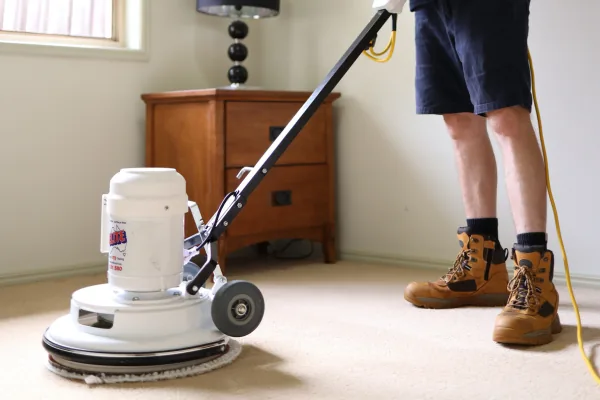 Carpet Cleaning
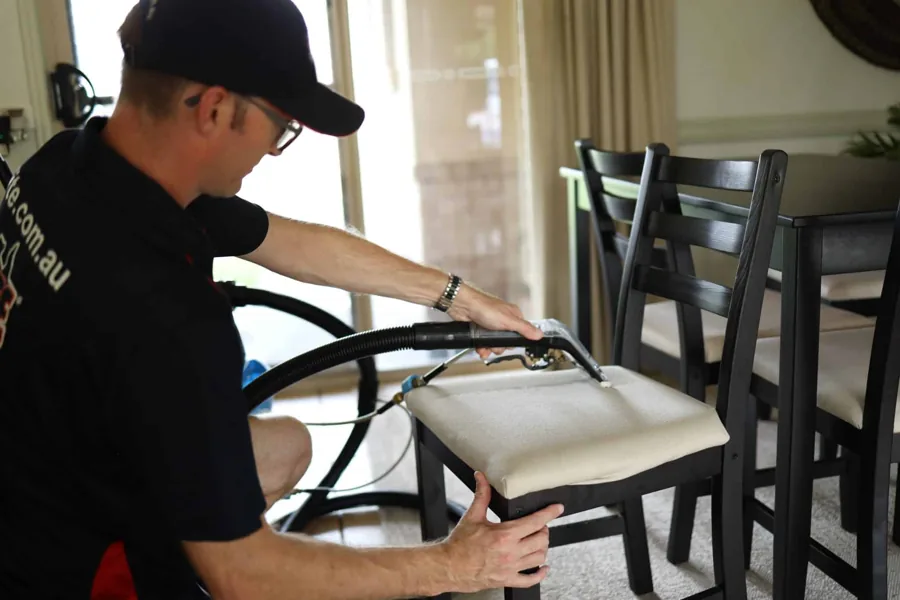 Couch & Upholstery Cleaning
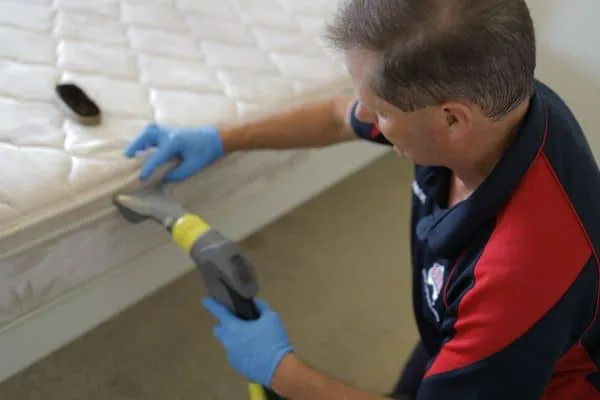 Mattress Cleaning
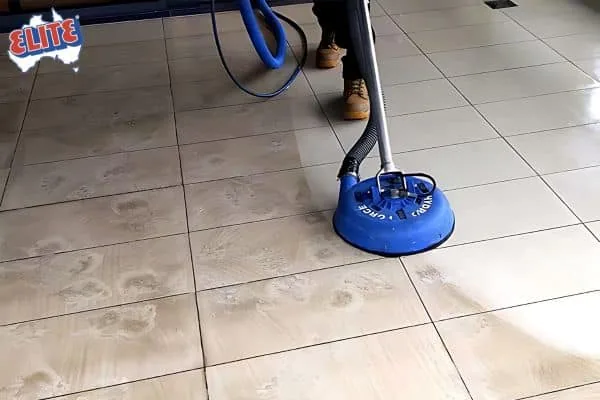 Tile & Grout Cleaning
 Commercial Cleaning
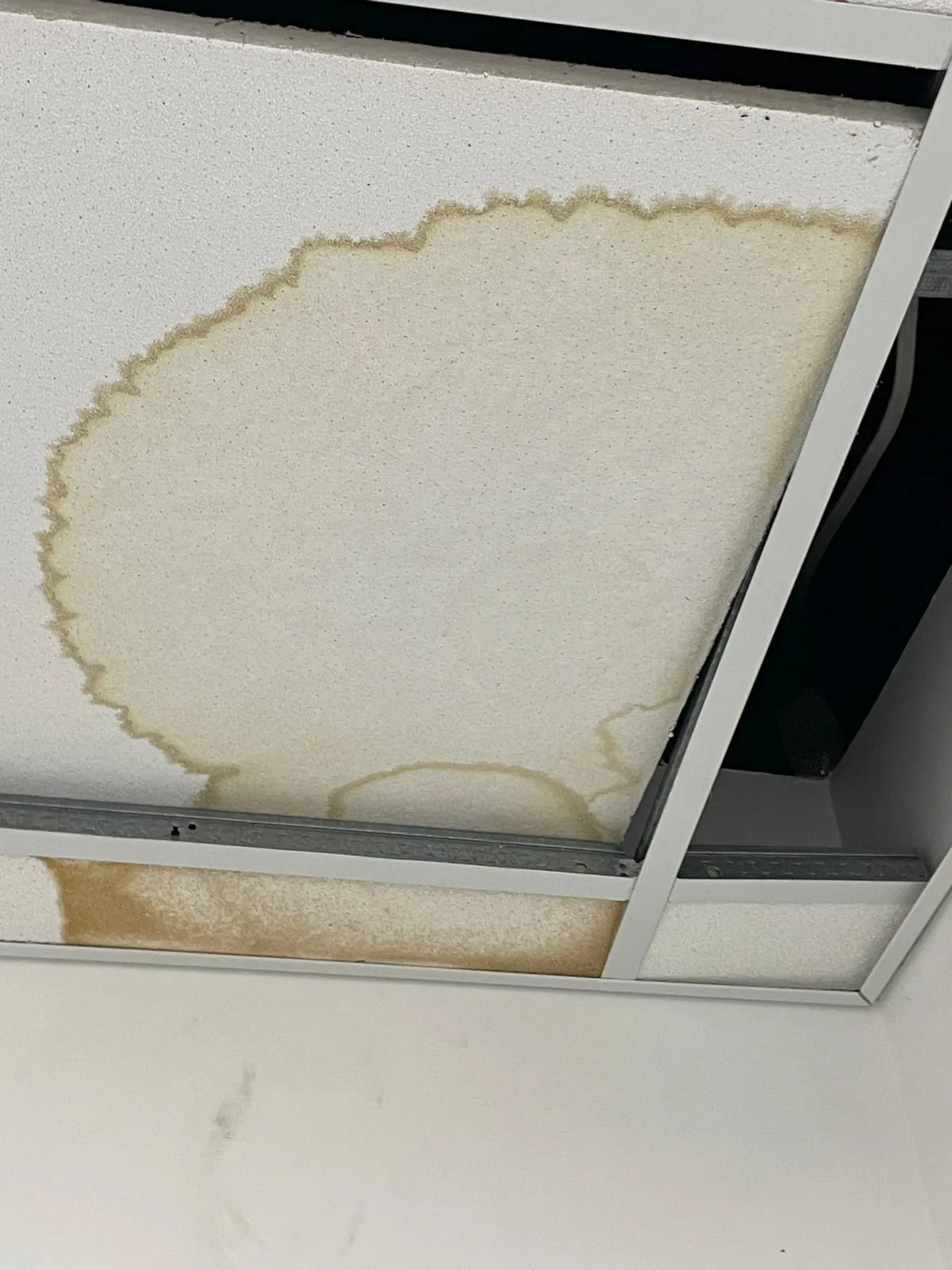 Water Damage Restoration
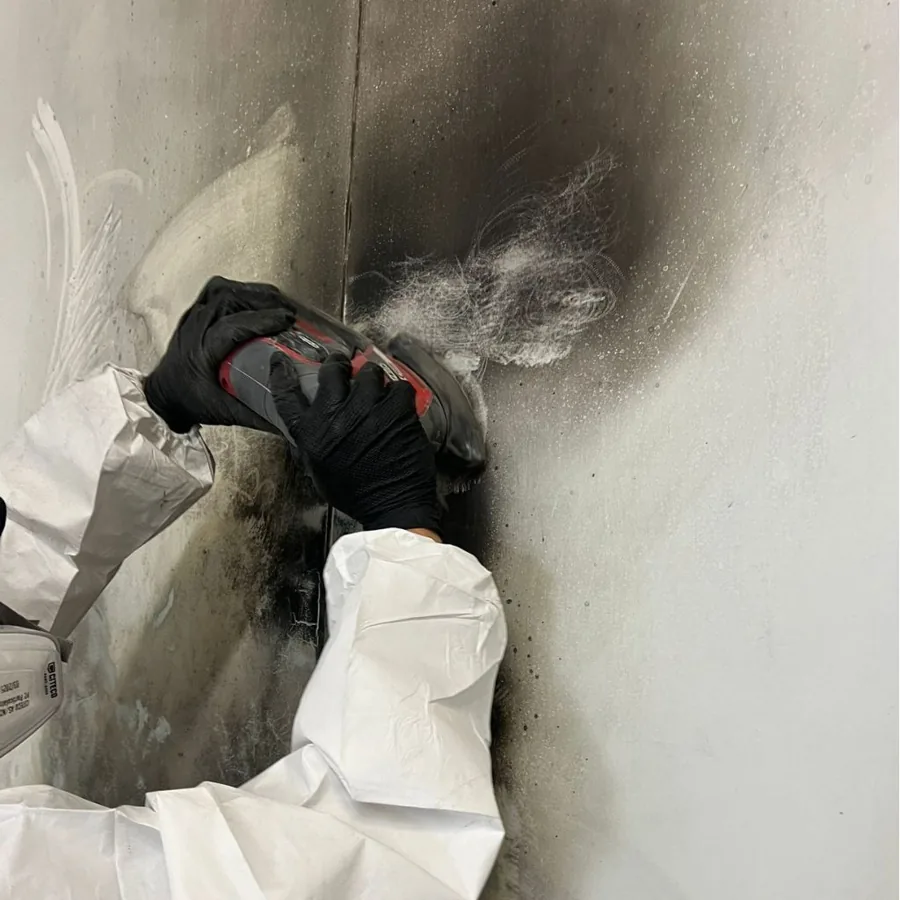 Fire and Smoke Restoration
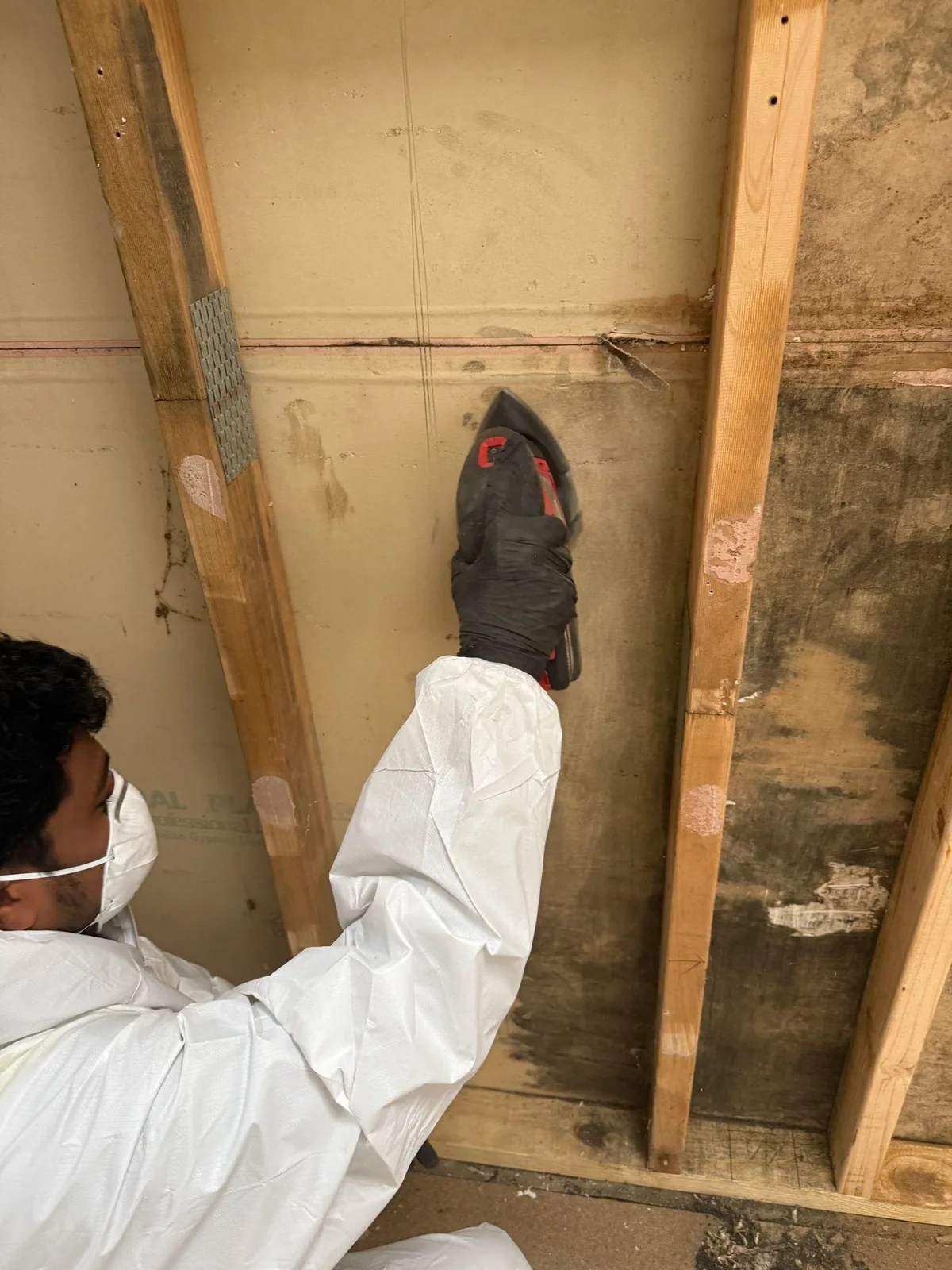 Mould Removal
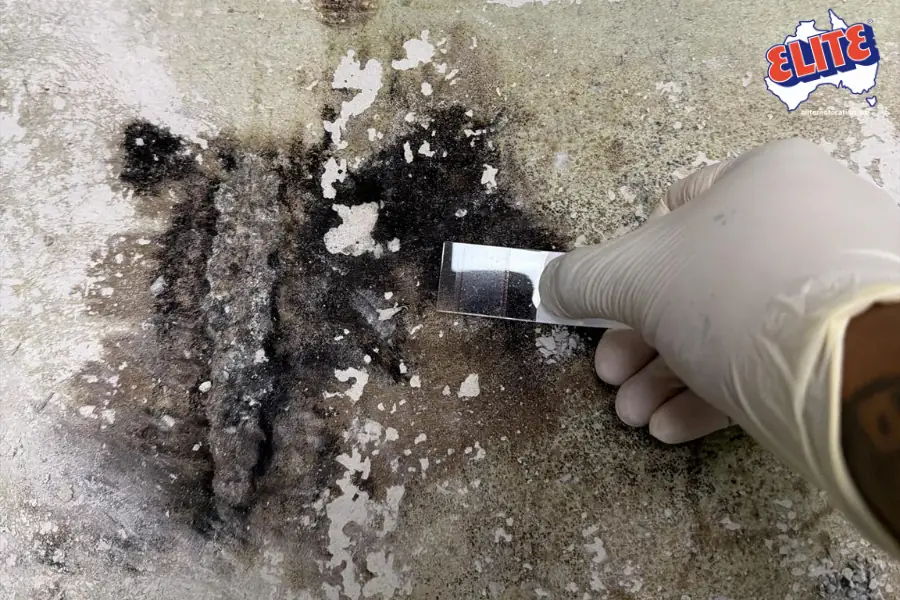 Mould Testing
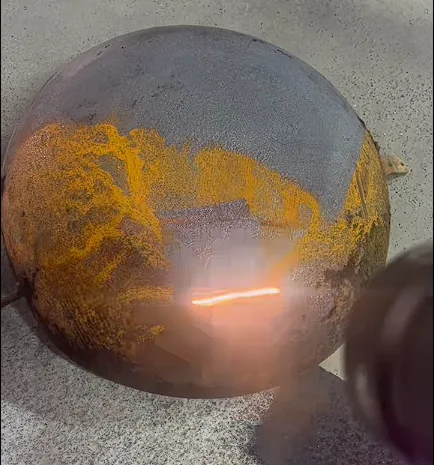 Laser Cleaning
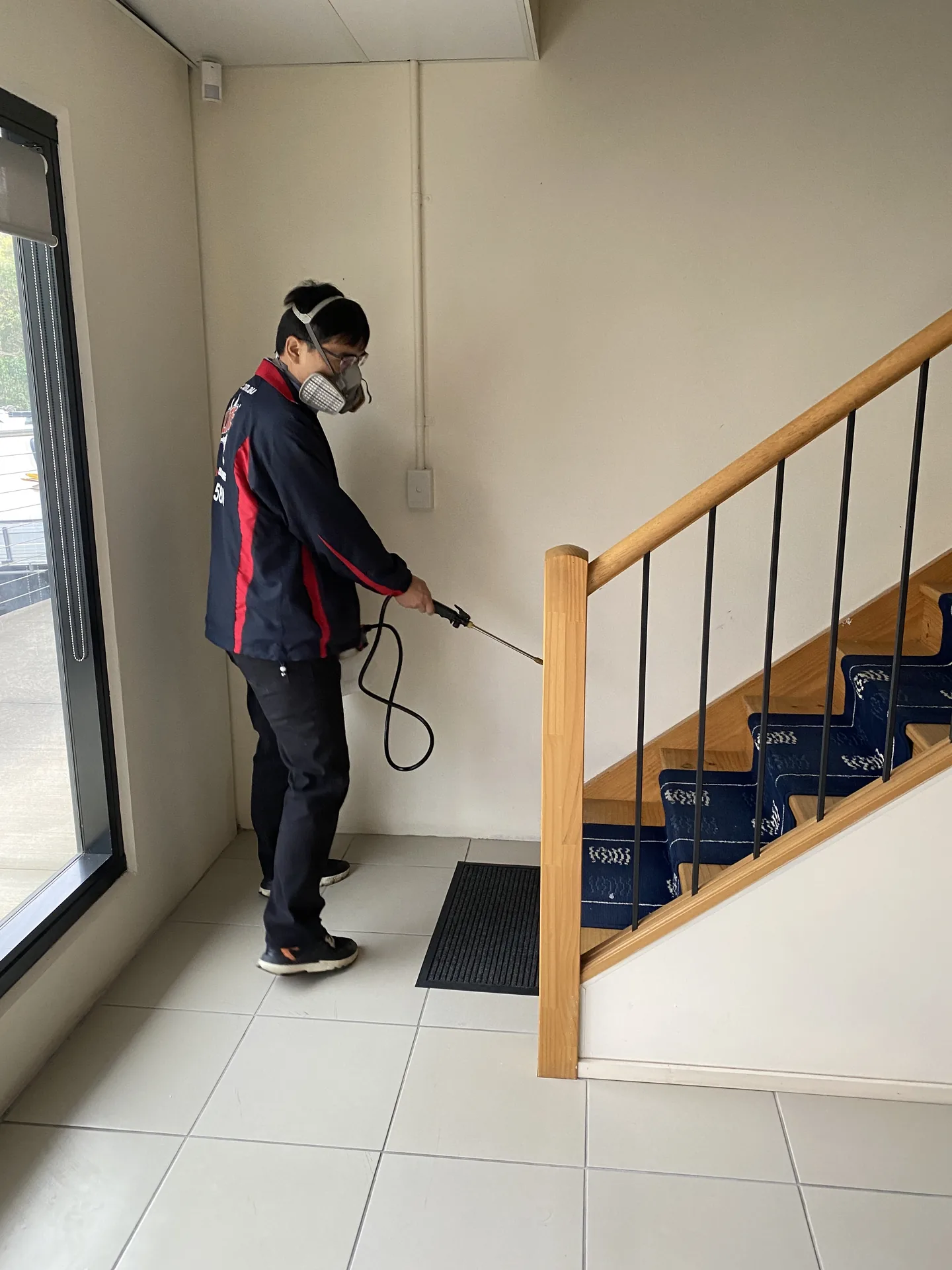 Pest Control
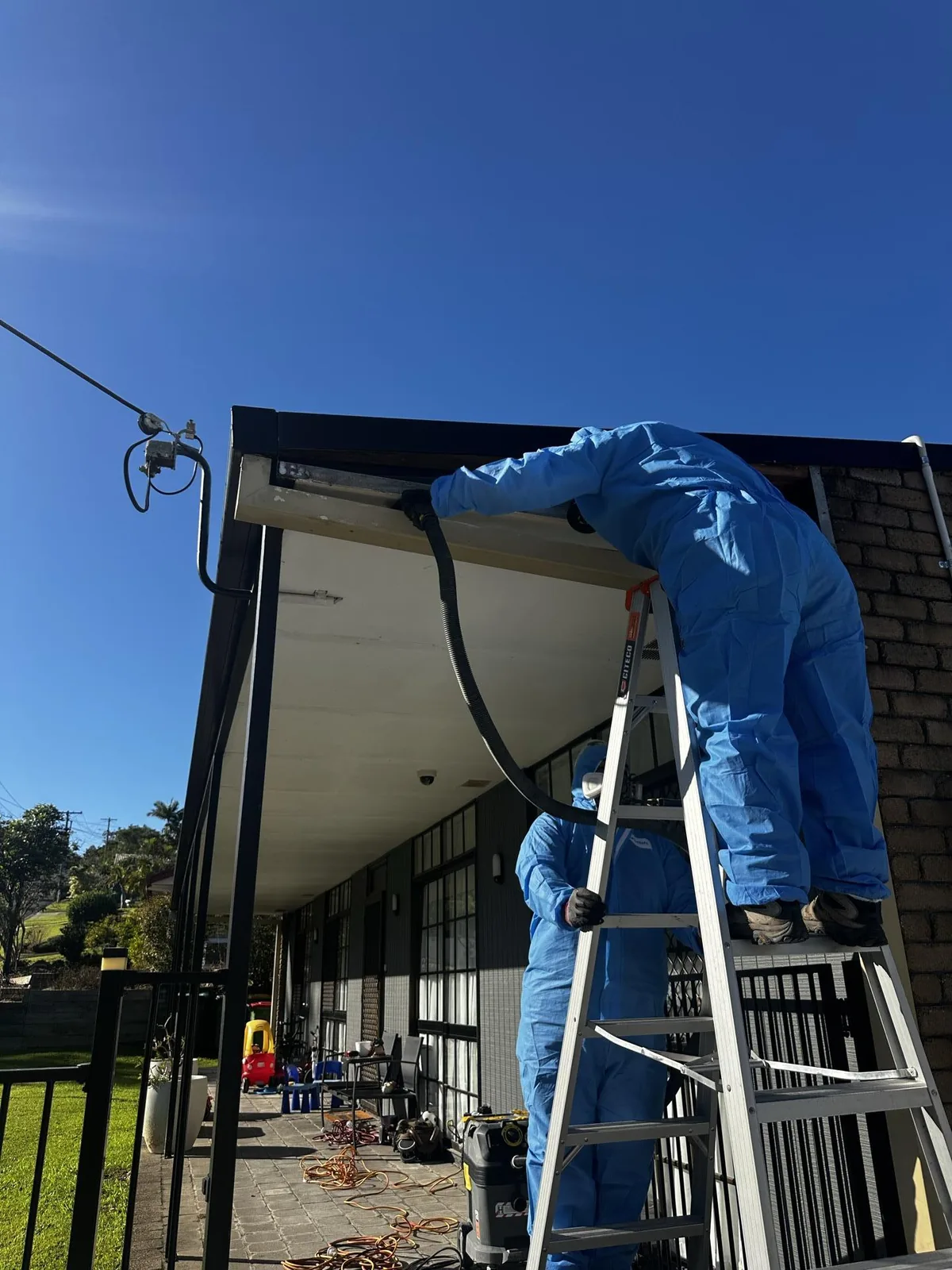 Asbestos Removal
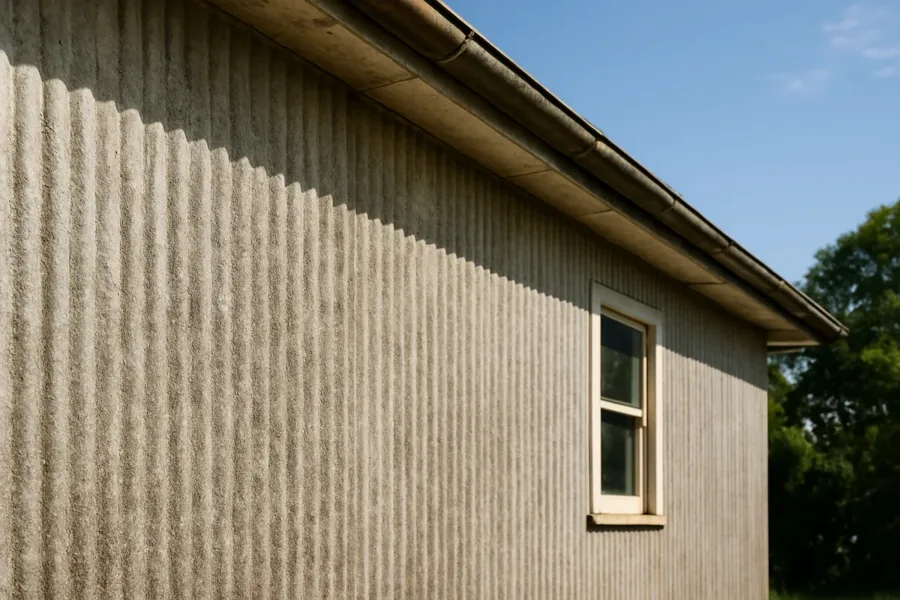 Asbestos Testing
 Office Cleaning
 Graffiti Removal
 Dry Ice Blasting
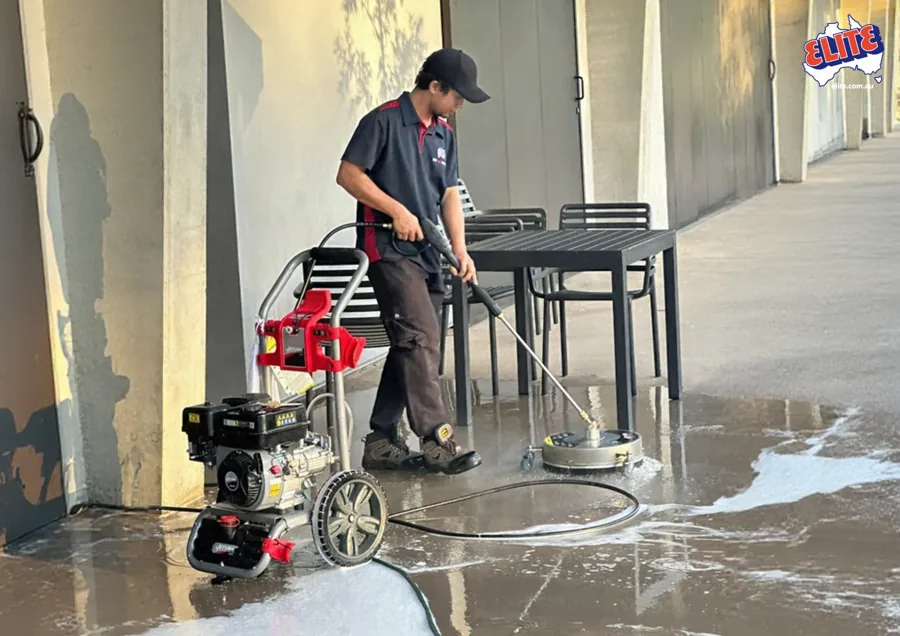 Pressure Washing
 Solar Panel Cleaning
 Structural Drying
 Dehumidifier Hire
 Air Quality Testing
 Floor Sanding
 Lead Paint Removal
 Roof Cleaning
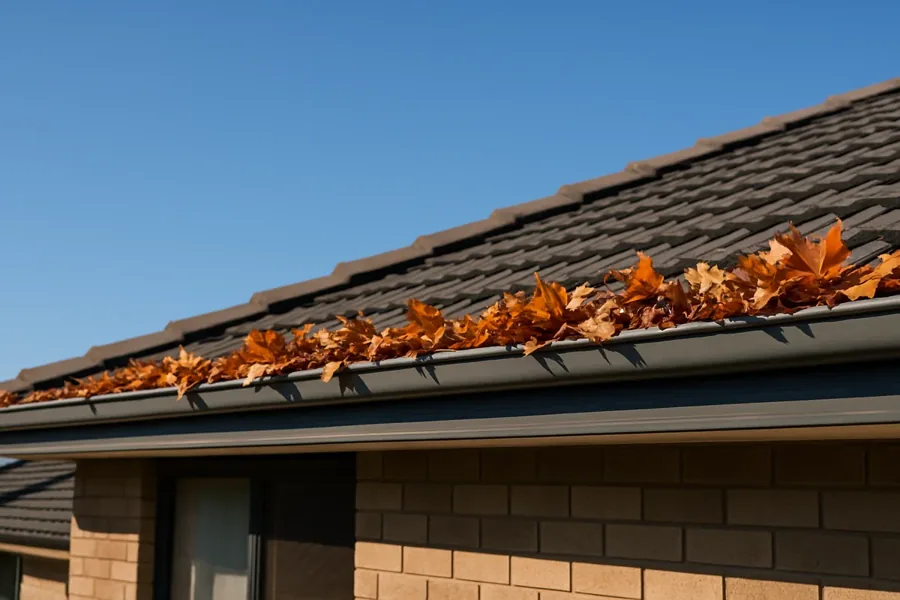 Gutter Cleaning
 Trauma & Crime Scene Cleaning
 Deceased Estate Clearing
 Hoarding & Squalor Cleaning
 Meth Testing & Decontamination