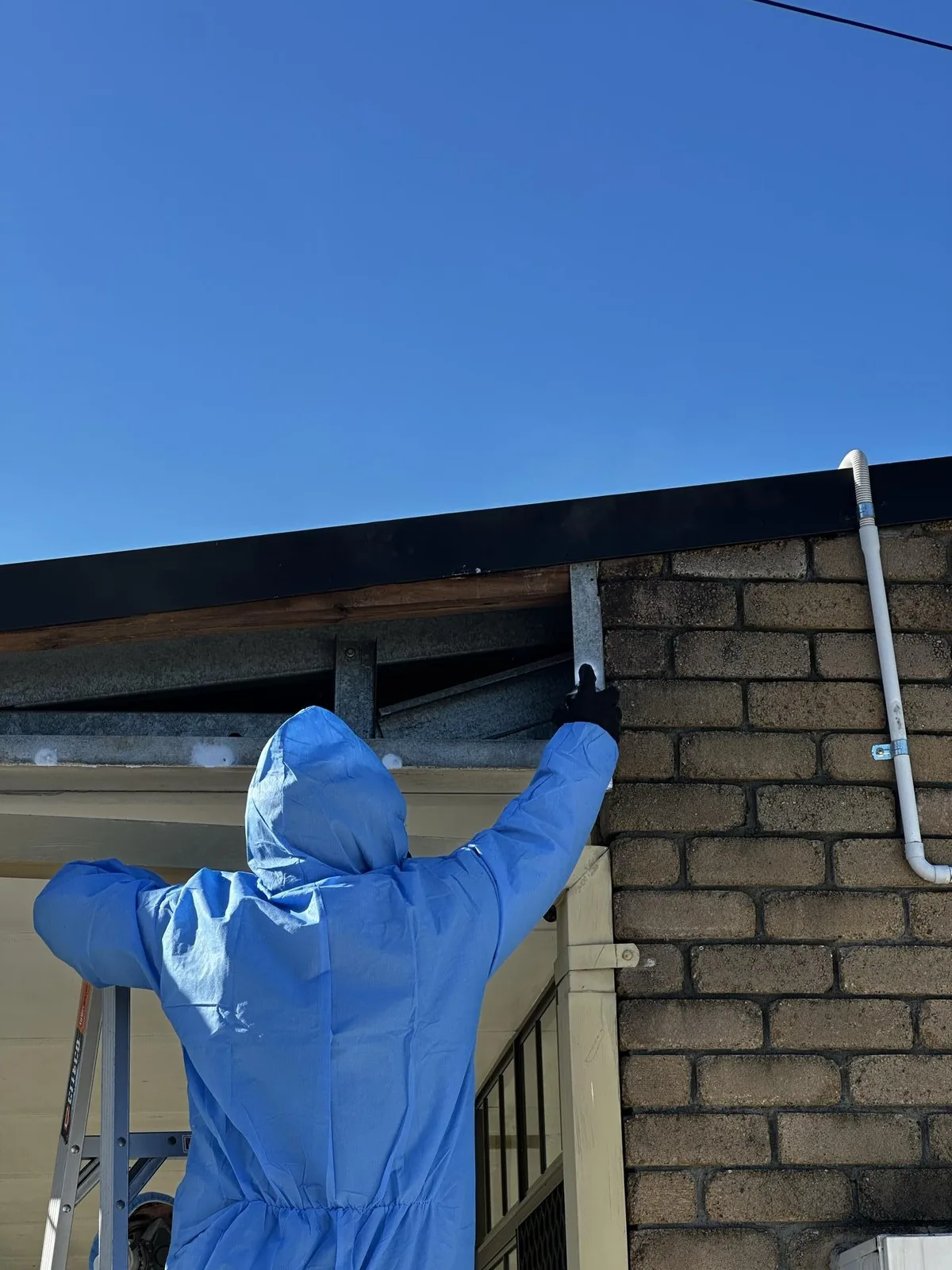
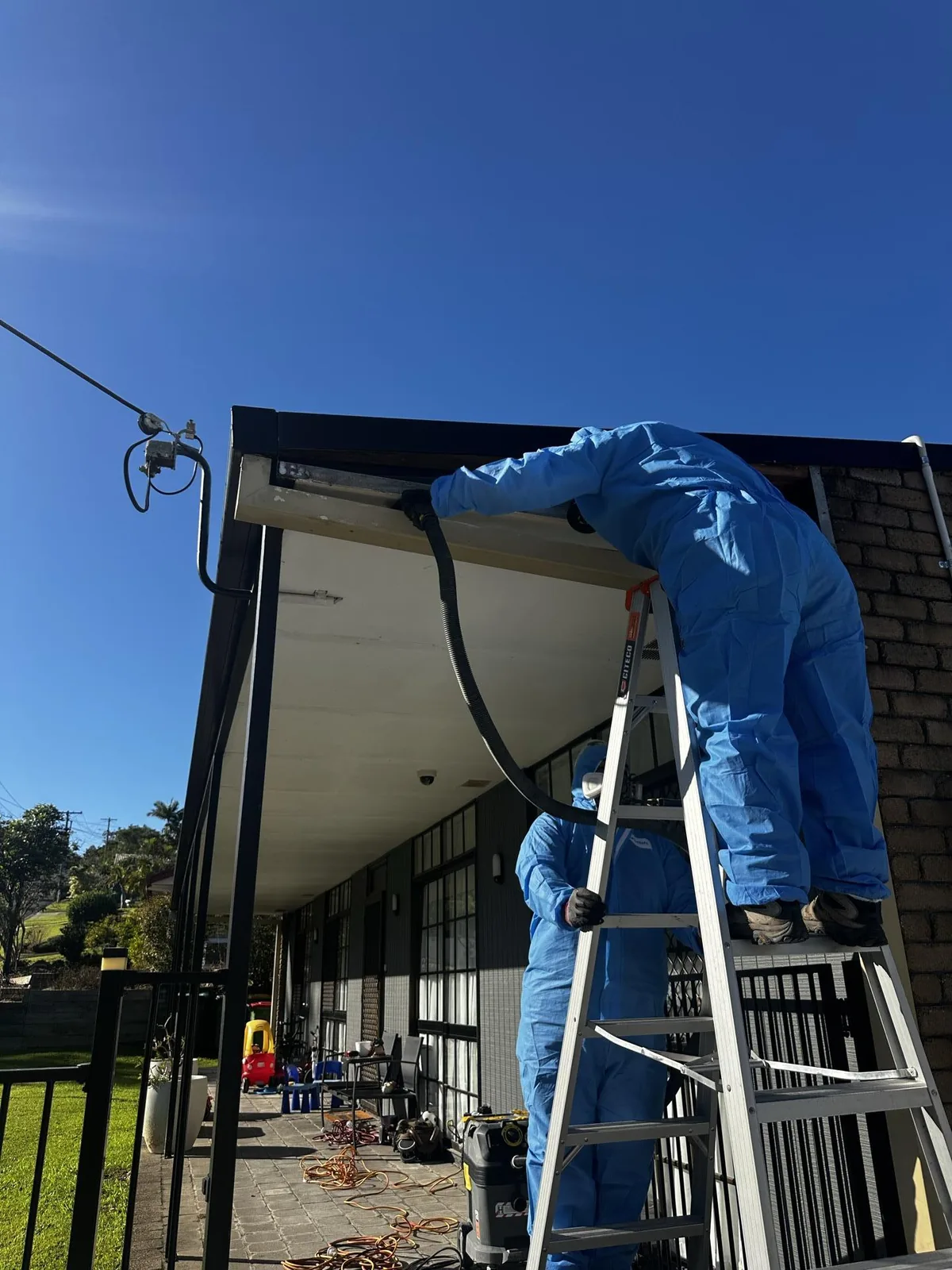
Asbestos removal takes asbestos-containing material out of homes and commercial buildings: roof sheeting, fibro walls, eaves, fencing and interior linings. The work area is contained, the material is removed and wrapped, and it is taken away for proper disposal. The work is done by Elite’s own in-house technicians rather than subcontracted.
People book it before a renovation that would cut or drill into it, when sheeting has cracked or been broken in a storm, after a pre-purchase inspection has found it, or ahead of a demolition.
“We had a pipe burst in our ceiling, water seeped into our walls and our unit was at a very high risk for mould :( Guosheng worked tirelessly to ensure the drying process went as smooth as possible, even working until the evening on a Friday to ensure our walls would be dry and safe over the weekend! An extremely proficient and productive company that thrives on providing excellent service and quality work. Thank you so much for all of your help! <3”
“Guosheng from Elite Restoration did an amazing job dealing with the water damage to my unit, due to a burst pipe. Nothing was too hard and Guosheng had multiple tricks up his sleeve to ensure maximum drying capacity. The communication throughout the whole process was excellent, which made this very stressful situation for me a lot easier to handle. Thanks so much Guosheng.☺️”
Where asbestos is found, and why it is tested first
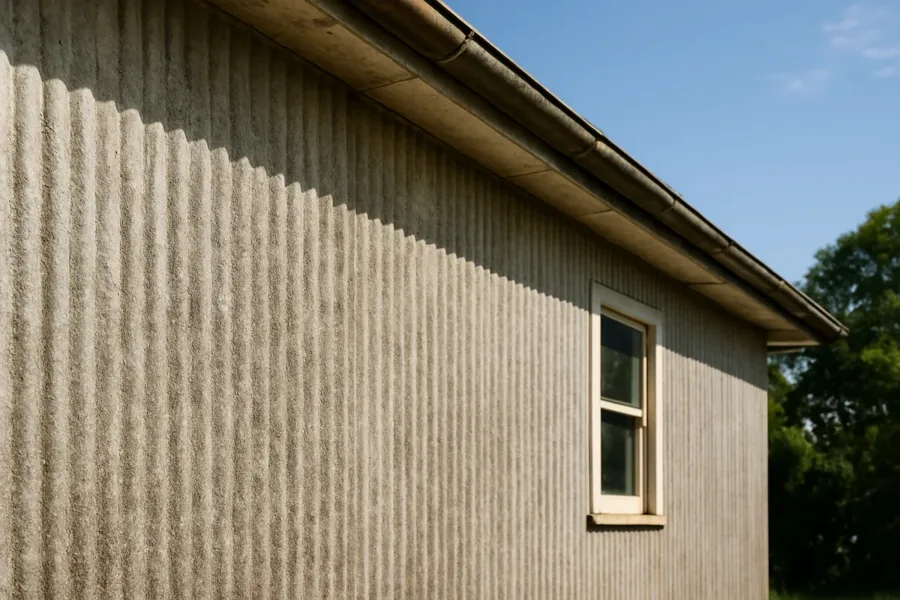
Asbestos was used widely in Australian buildings until the late 1980s. In homes of that age it turns up in fibro wall and eave sheeting, roof sheeting, fences, wet-area linings, and the backing of old vinyl floor tiles.
There are two kinds to know about:
Bonded (non-friable) asbestos is fixed in cement or another binder, like most fibro. It is generally stable while it is intact.
Friable asbestos crumbles easily, such as some old insulation and pipe lagging. It releases fibres far more readily and is treated with greater care.
You can’t tell asbestos by looking at it. Before anything is removed, the material is confirmed by sampling, with analysis through NATA-accredited laboratory partners, and the plan is built from that result.
How a removal runs
The material is inspected and confirmed through a NATA-accredited laboratory partner, and the scope and price are set out in a quote.
The work area is sealed off with plastic sheeting, and people are kept clear of it.
Material is kept wet to hold fibres down, and removed whole wherever possible rather than broken up.
Technicians work in protective equipment and decontaminate before leaving the area.
The asbestos is wrapped in heavy plastic, labelled, and taken to a facility that accepts asbestos waste.
The area is cleaned. Where the rules require it, an independent assessor inspects it and issues a clearance certificate before it is used again.
The rules in Queensland
Removing more than 10 square metres of bonded asbestos, or any friable asbestos, has to be done by a licensed removalist. Friable asbestos needs the higher Class A licence. Small amounts of bonded material are the only thing a homeowner may remove, and even then strict safety steps apply.
Who does the work
Removal is carried out by Elite’s in-house qualified technicians, not subcontracted. Every technician is police-checked and fully insured, with $20 million in public and products liability cover. The business is CM3 certified for contractor OH&S and compliance, and the Elite brand has been operating since 1984.
Asbestos removal questions
Can I remove asbestos myself?
Only small amounts of bonded asbestos, with strict precautions. Anything over 10 square metres, and any friable asbestos, needs a licensed removalist.
Can asbestos be left in place?
Often, yes, if it is bonded, intact and won’t be disturbed. Removal matters when it is damaged or about to be cut, drilled or demolished.
How is it disposed of?
Wrapped in heavy plastic, labelled, and taken to a facility that accepts asbestos waste.
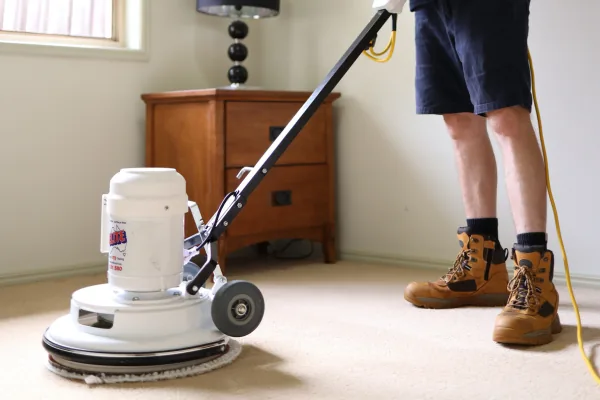 Carpet Cleaning
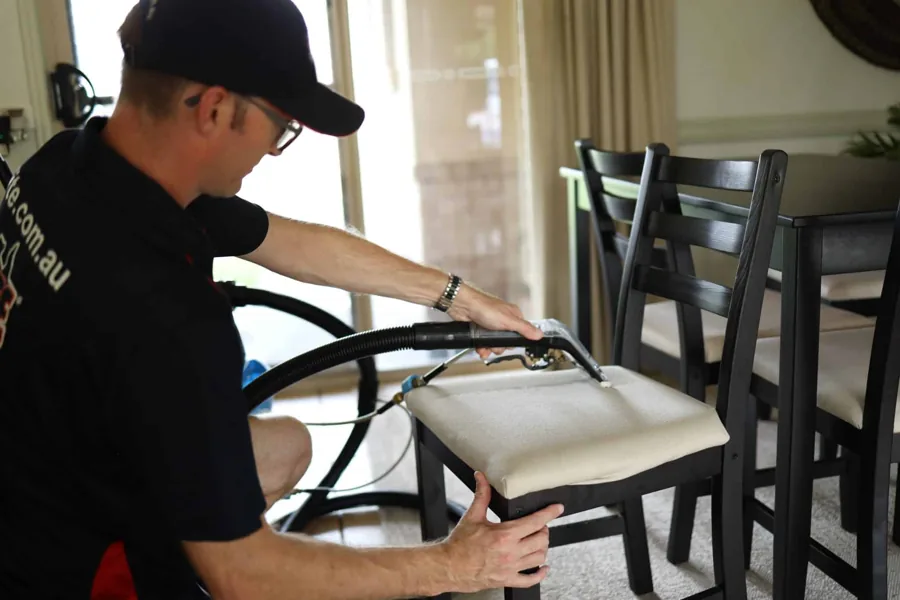 Couch & Upholstery Cleaning
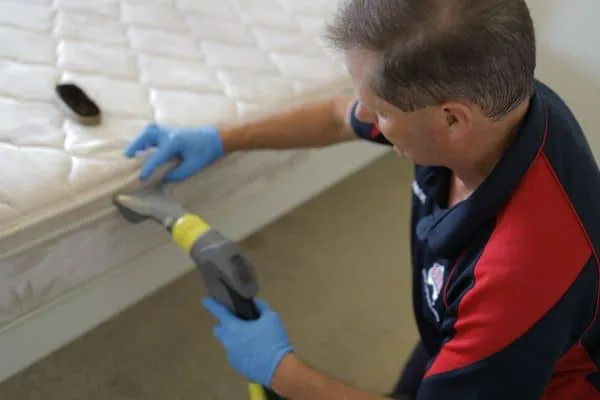 Mattress Cleaning
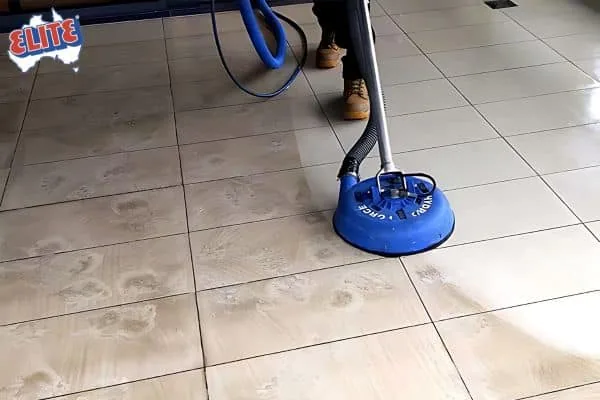 Tile & Grout Cleaning
 Commercial Cleaning
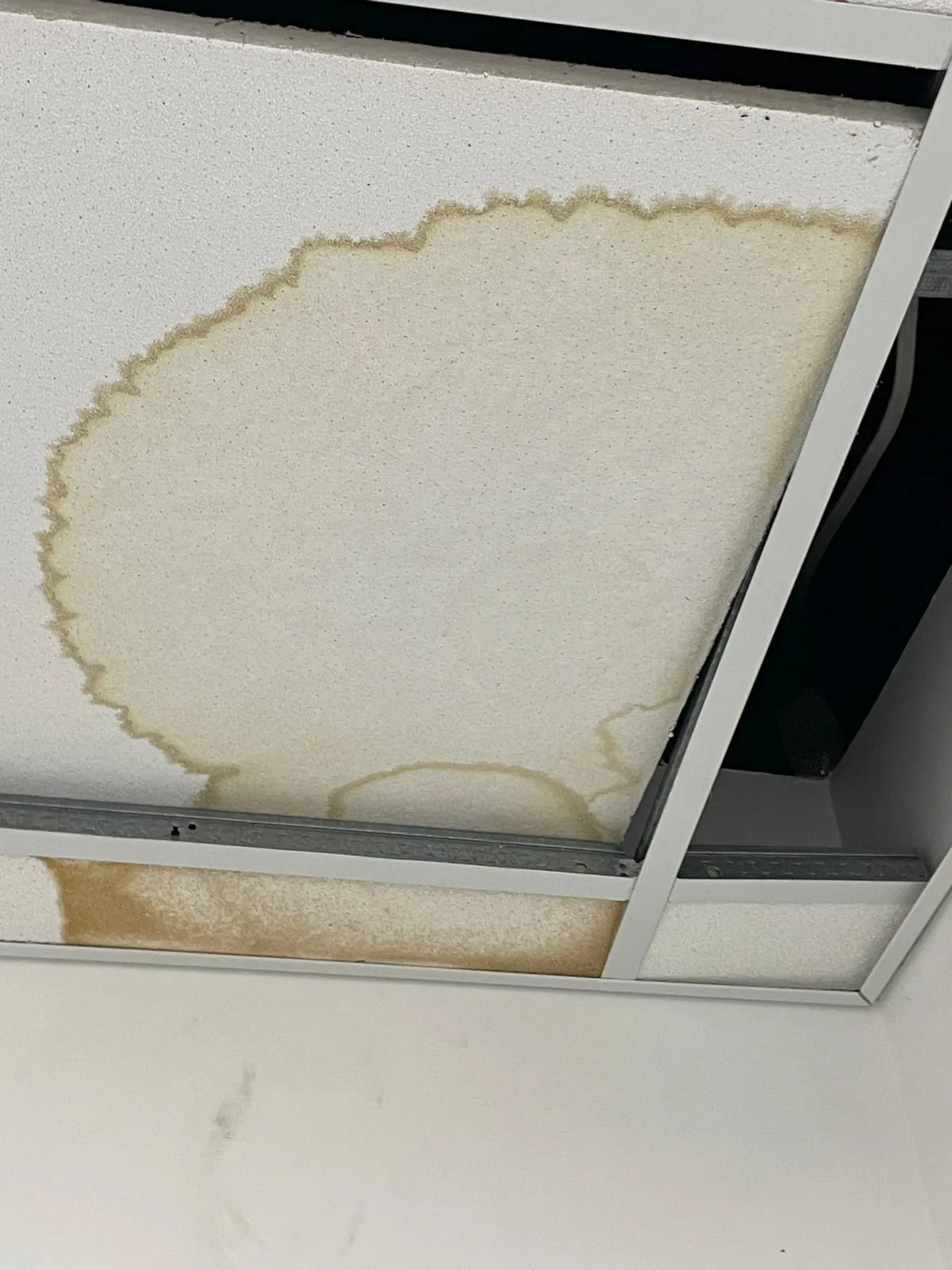 Water Damage Restoration
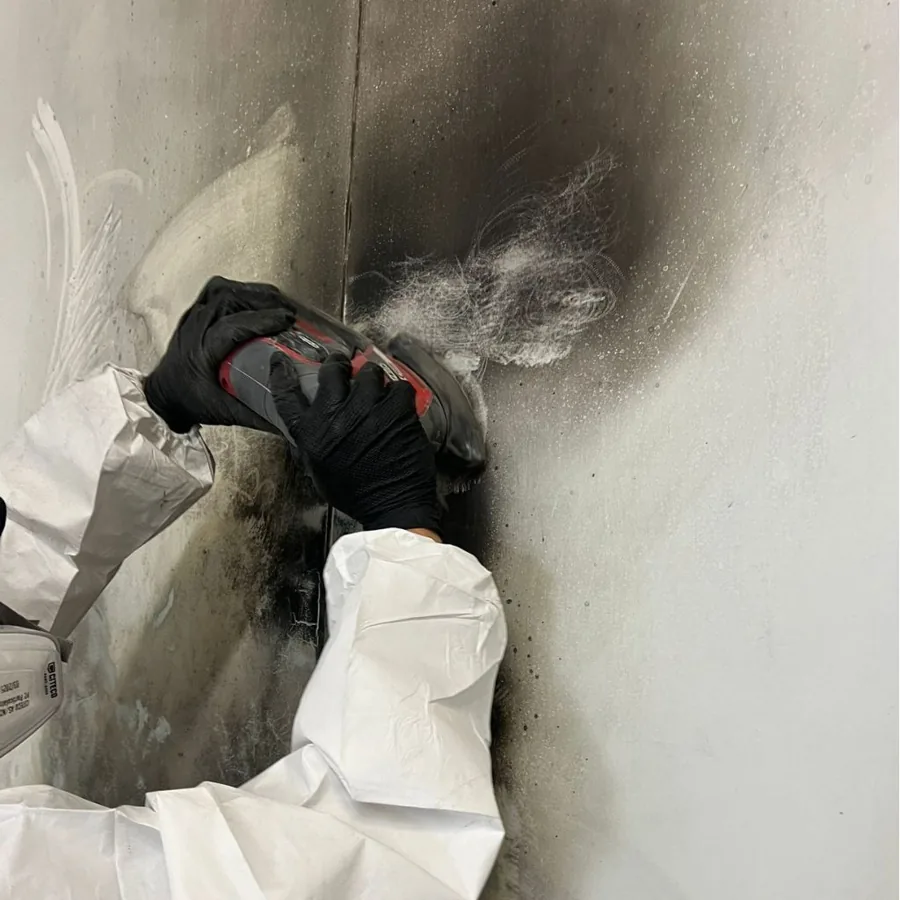 Fire and Smoke Restoration
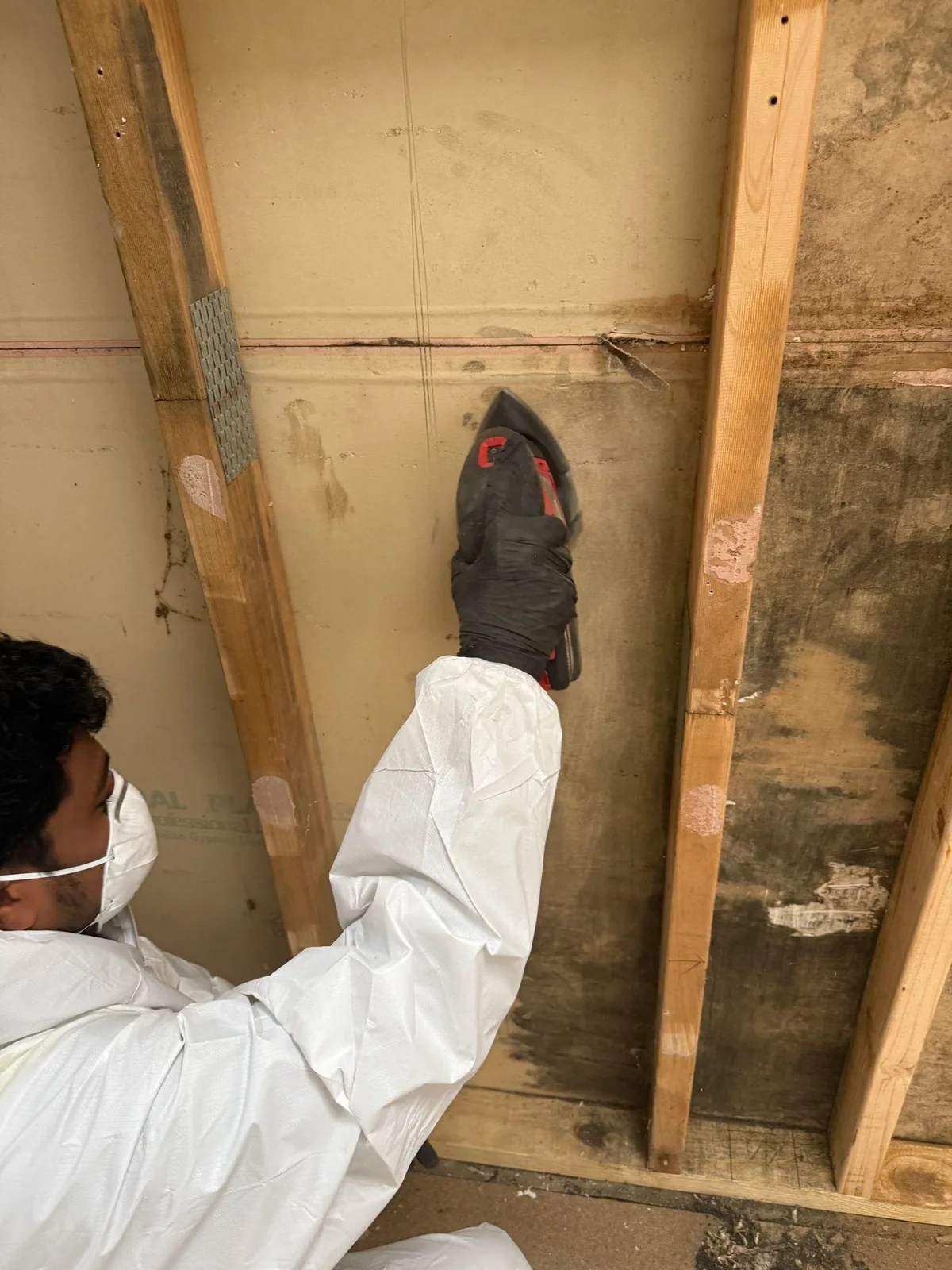 Mould Removal
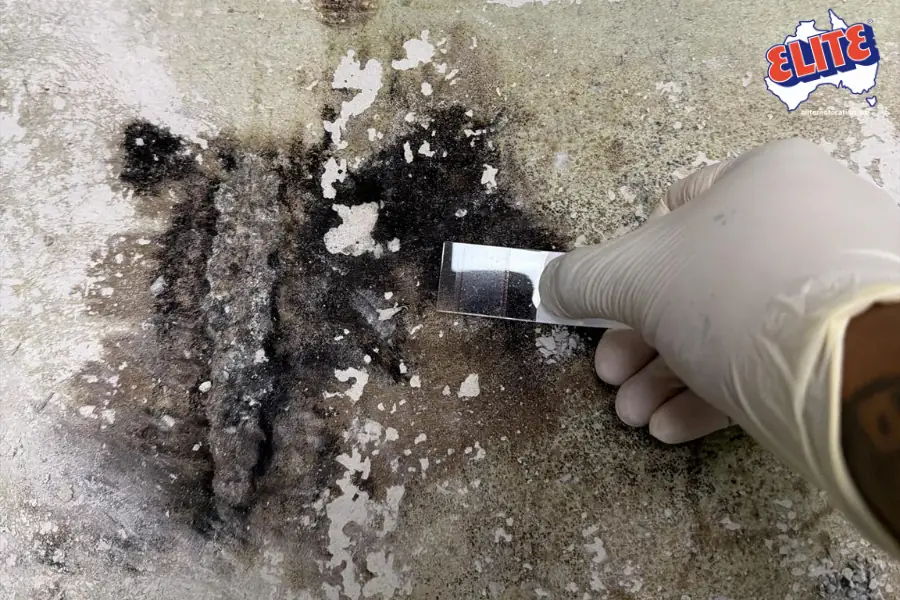 Mould Testing
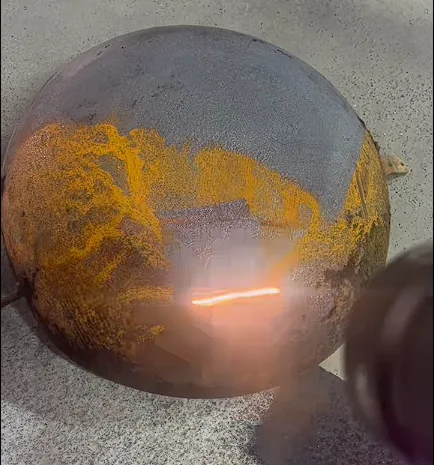 Laser Cleaning
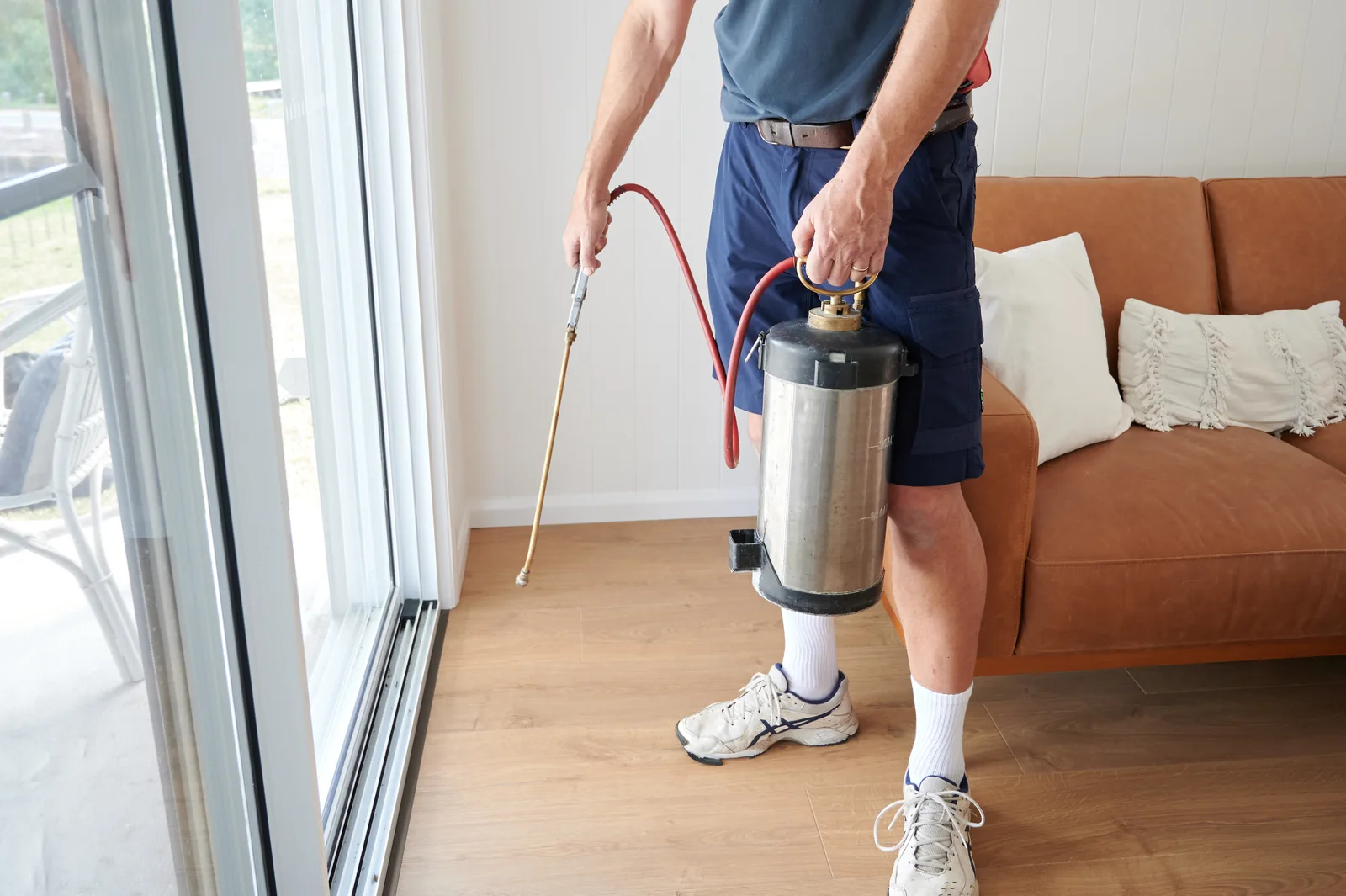 Pest Control
 Asbestos Removal
 Asbestos Testing
 Office Cleaning
 Graffiti Removal
 Dry Ice Blasting
 Pressure Washing
 Solar Panel Cleaning
 Structural Drying
 Dehumidifier Hire
 Air Quality Testing
 Floor Sanding
 Lead Paint Removal
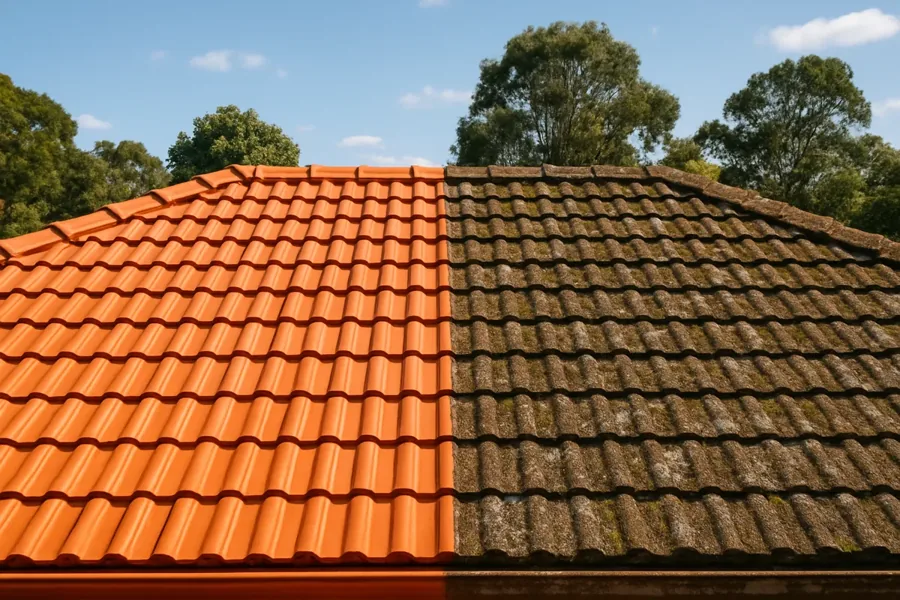 Roof Cleaning
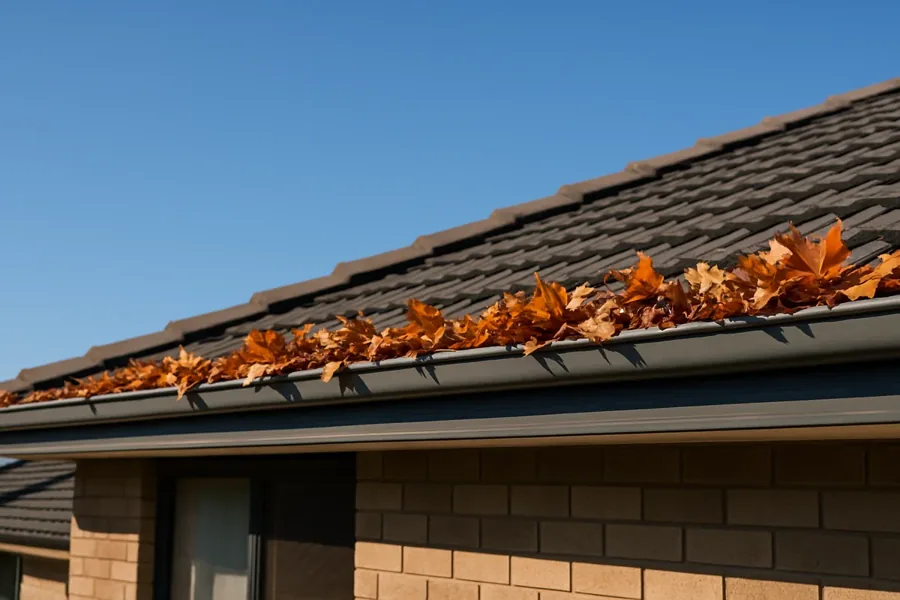 Gutter Cleaning
 Trauma & Crime Scene Cleaning
 Deceased Estate Clearing
 Hoarding & Squalor Cleaning
 Meth Testing & Decontamination