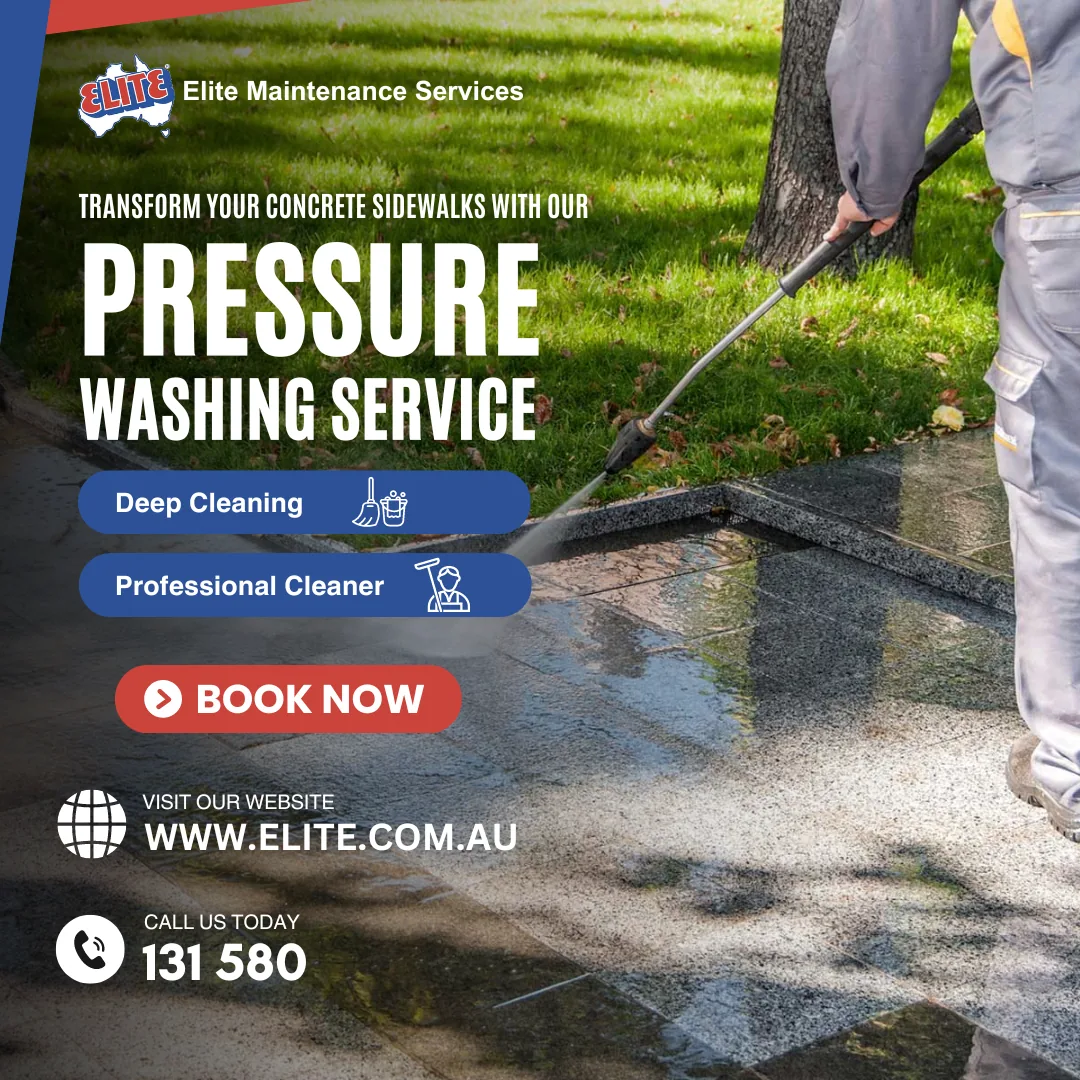
Soft washing is a low-pressure way of cleaning the outside of a building. Instead of blasting the dirt off, it relies on a cleaning solution to kill and loosen mould, algae and lichen, then rinses it away at a pressure closer to a garden hose.
High-pressure washing still has its place. The trick is knowing which surface can take it and which one will be damaged by it.
“We had a pipe burst in our ceiling, water seeped into our walls and our unit was at a very high risk for mould :( Guosheng worked tirelessly to ensure the drying process went as smooth as possible, even working until the evening on a Friday to ensure our walls would be dry and safe over the weekend! An extremely proficient and productive company that thrives on providing excellent service and quality work. Thank you so much for all of your help! <3”
“Guosheng from Elite Restoration did an amazing job dealing with the water damage to my unit, due to a burst pipe. Nothing was too hard and Guosheng had multiple tricks up his sleeve to ensure maximum drying capacity. The communication throughout the whole process was excellent, which made this very stressful situation for me a lot easier to handle. Thanks so much Guosheng.☺️”
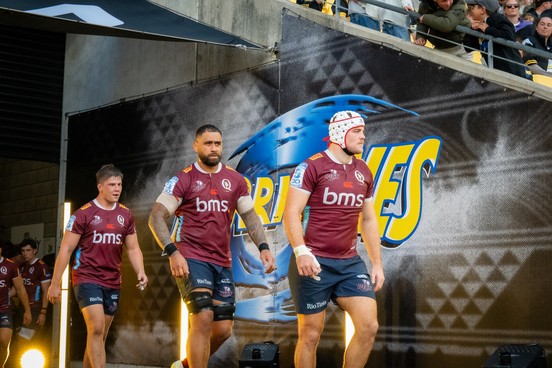
Elite provides specialist cleaning and restoration for the BMS National Rugby Training Centre at Ballymore as a valued partner of Queensland Rugby Union.
A pressure washer cleans by force. A narrow, fast jet of water strips grime, moss and stains off hard surfaces, and on a concrete driveway that is exactly what you want.
Soft washing cleans by chemistry. The solution is applied at low pressure and left to work on the organic growth, which is often rooted into the surface. Once it has done its job, the surface is rinsed gently. Because the growth is killed rather than just knocked back, it tends to stay away longer.
Surfaces that need a soft wash
Rendered and painted walls, where a hard jet can lift paint and etch render
Roof tiles and their coatings
Weatherboards and cladding, where water forced behind the boards causes problems later
Fences, timber and older brick with soft mortar
Window frames, seals and screens
Surfaces that suit high pressure
Concrete driveways, paths, pavers, car parks and most hard paving can take high pressure and usually need it. Oil stains and ground-in dirt on these surfaces don’t shift with a gentle rinse.
What goes wrong with the wrong method
Most damage comes from putting high pressure on a surface that can’t take it. Render gets pitted, paint peels in strips, mortar is cut out of brick joints, and roof coatings are stripped back to bare tile. On a roof, it can also crack tiles and push water under them.
The opposite mistake is less dramatic: a soft wash on a stained driveway simply leaves it stained.
Doing it yourself
Hire-shop pressure washers are fine for a patio. Walls, roofs and anything up a ladder are where people get hurt and surfaces get damaged, and the solutions used in soft washing need care around gardens, pets and drains.
Booking a clean
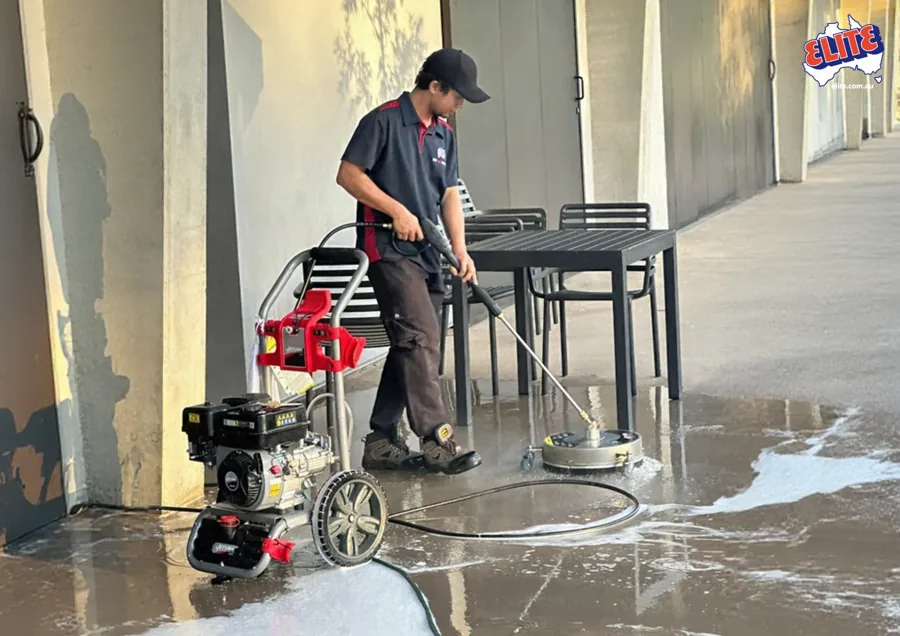
Our pressure washing service covers both methods, so each part of the property gets the one that suits it. High-pressure cleaning starts from $2.50 per sqm, or $165 per hour.
Every job is done by fully insured, police-checked technicians and carries our satisfaction guarantee.
Soft washing questions
Is soft washing safe for roofs?
It is the method made for them. Low pressure cleans tiles and coatings without cracking tiles or forcing water underneath.
Does soft washing last longer than pressure washing?
On walls and roofs it tends to, because the solution kills the mould and algae rather than knocking the surface growth off.
Can a driveway be soft washed?
It can be, but concrete usually needs high pressure to shift oil and ground-in dirt.
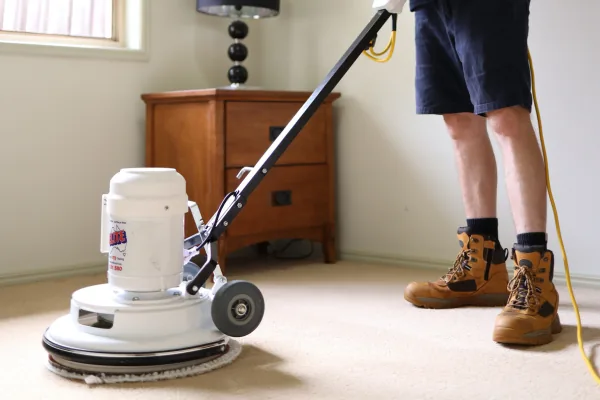 Carpet Cleaning
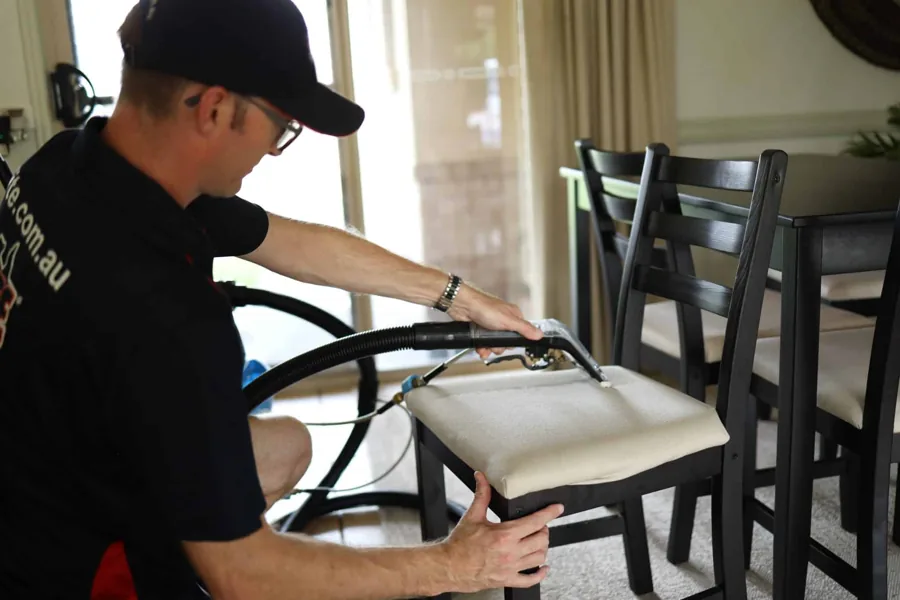 Couch & Upholstery Cleaning
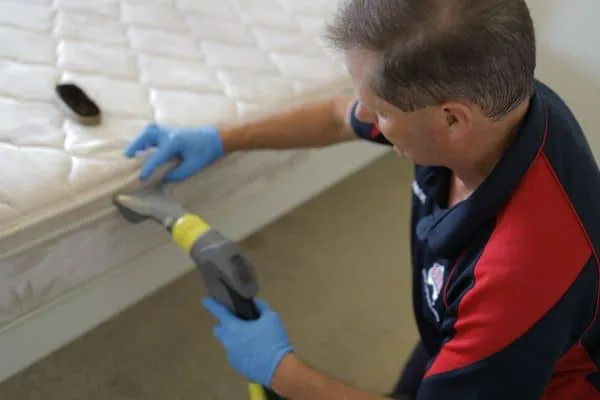 Mattress Cleaning
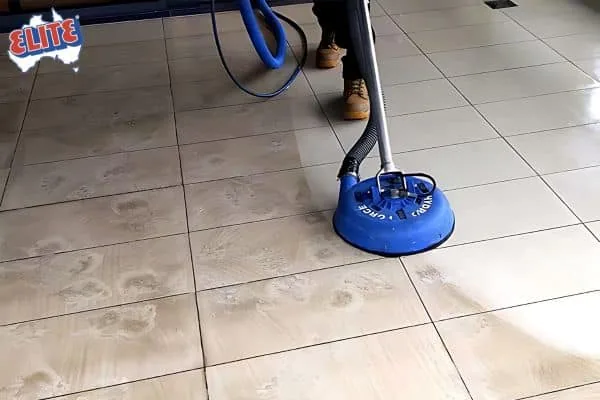 Tile & Grout Cleaning
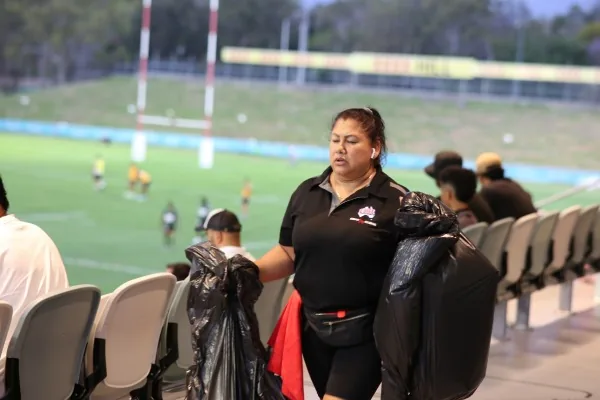 Commercial Cleaning
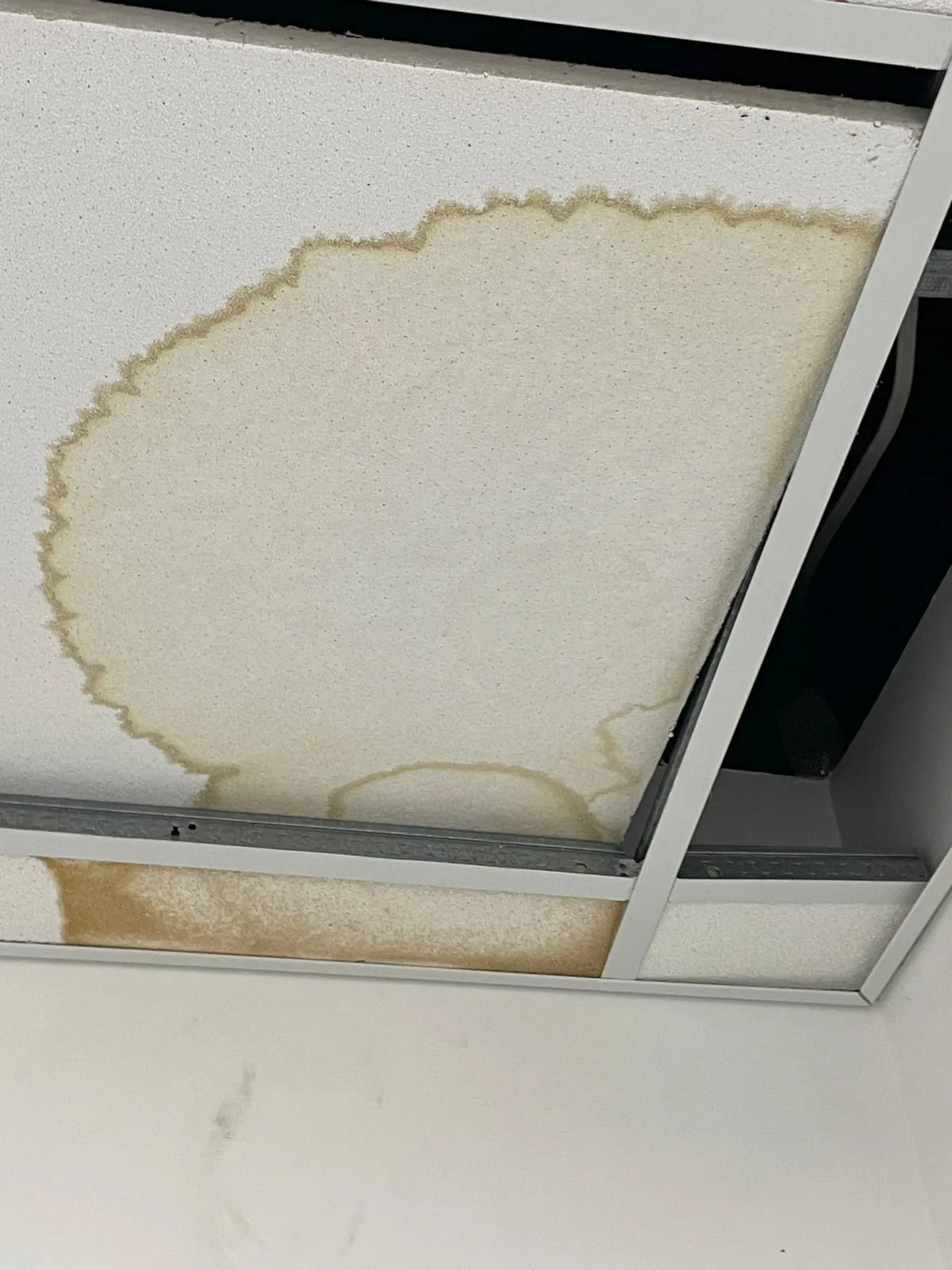 Water Damage Restoration
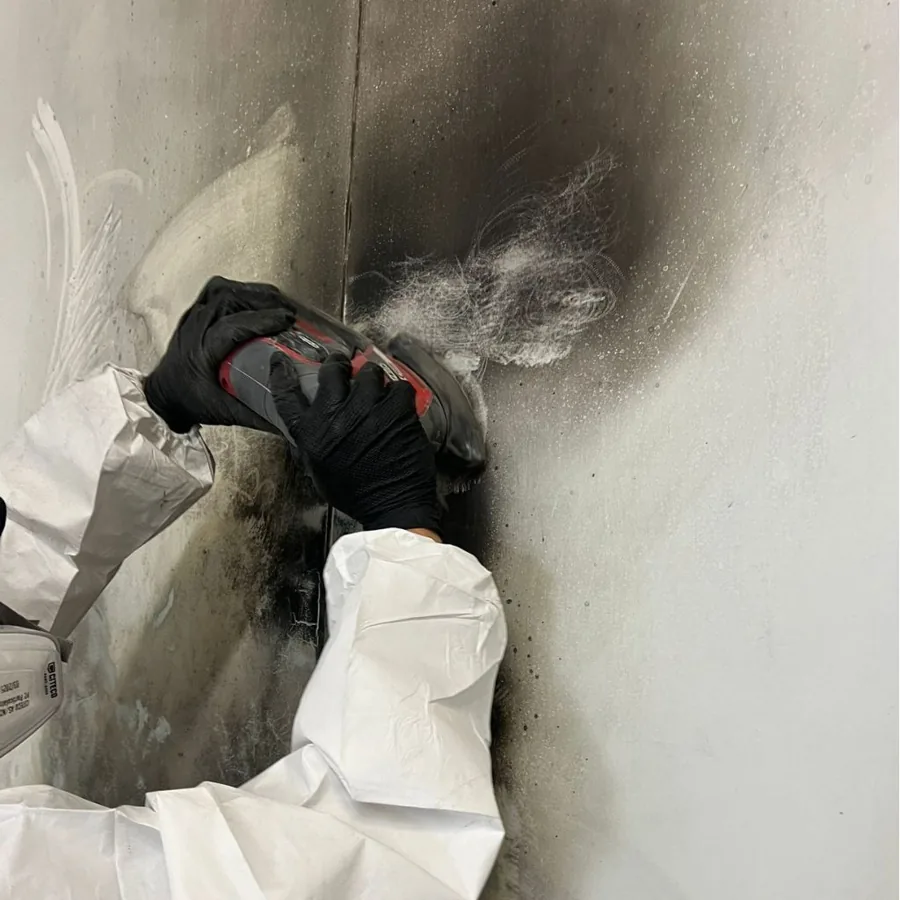 Fire and Smoke Restoration
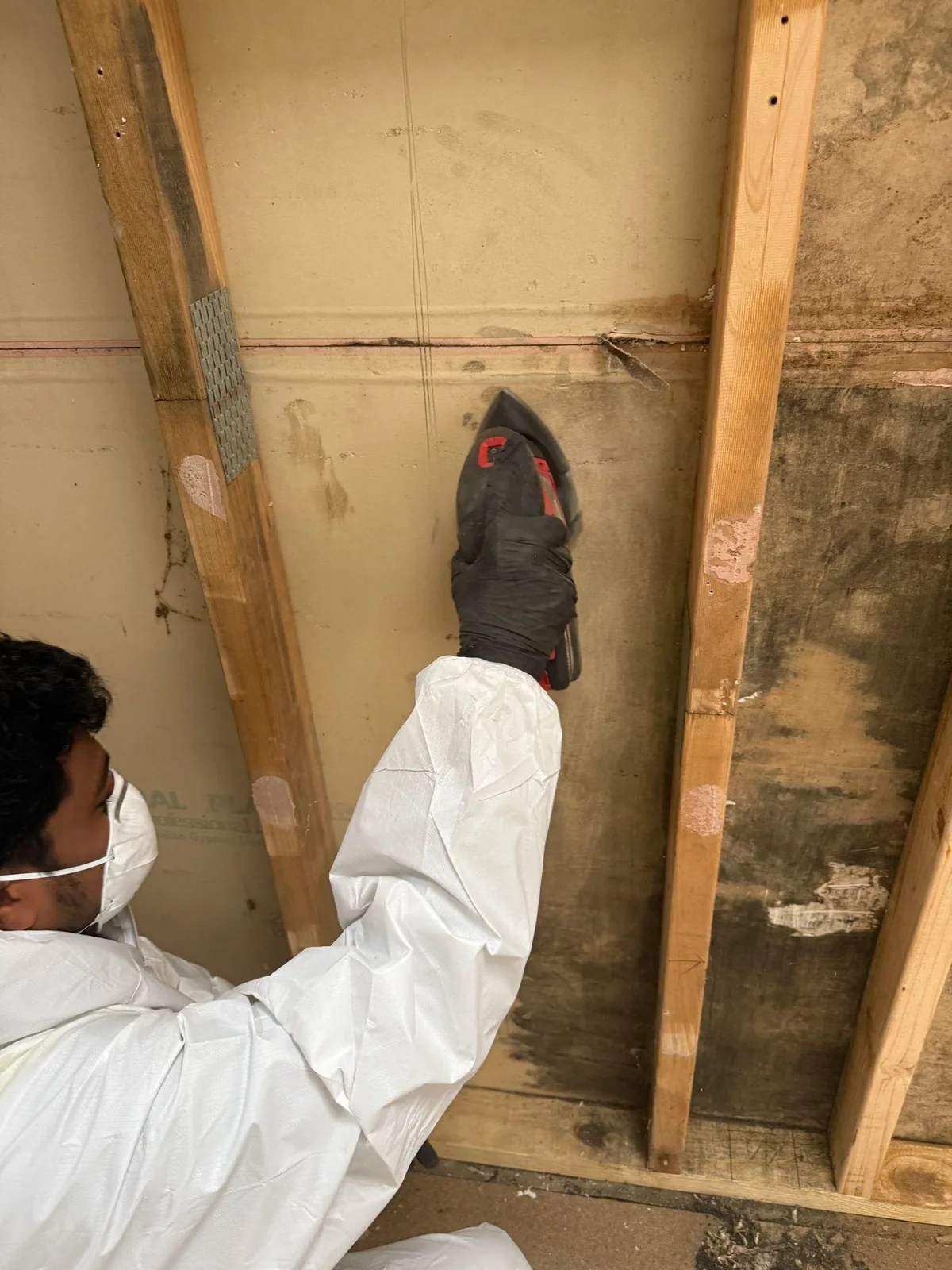 Mould Removal
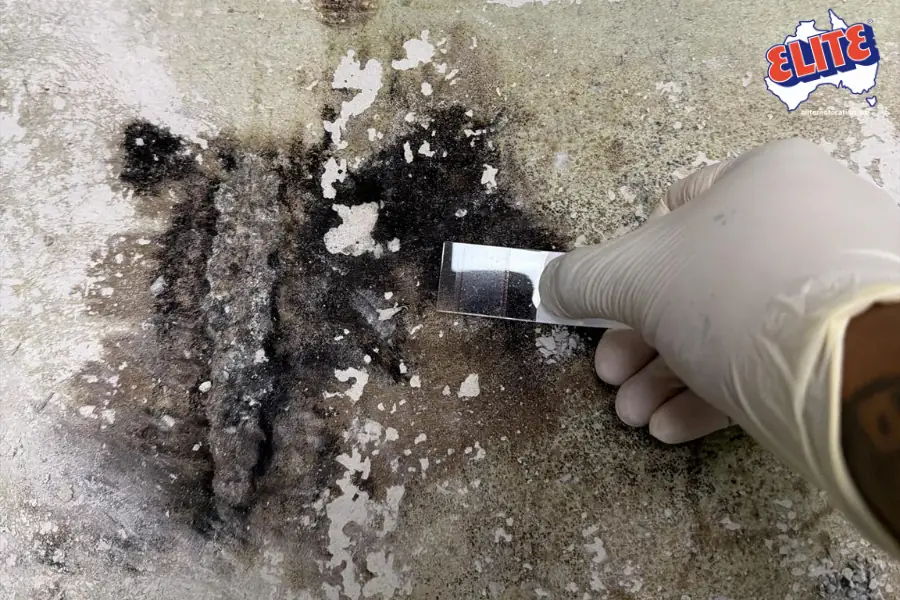 Mould Testing
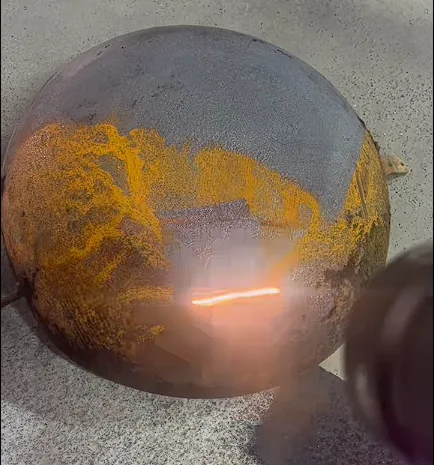 Laser Cleaning
 Pest Control
 Asbestos Removal
 Asbestos Testing
 Office Cleaning
 Graffiti Removal
 Dry Ice Blasting
 Pressure Washing
 Solar Panel Cleaning
 Structural Drying
 Dehumidifier Hire
 Air Quality Testing
 Floor Sanding
 Lead Paint Removal
 Roof Cleaning
 Gutter Cleaning
 Trauma & Crime Scene Cleaning
 Deceased Estate Clearing
 Hoarding & Squalor Cleaning
 Meth Testing & Decontamination