Where lead paint is and why it matters
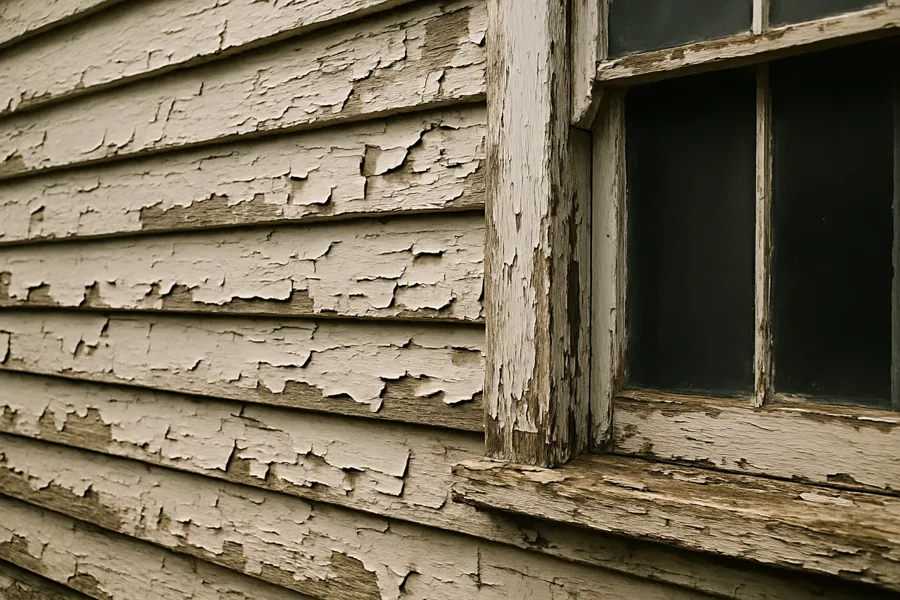
The older the paint, the higher the chance of lead. It is often buried under newer coats on window frames, doors, skirting boards, eaves, fascias and weatherboards. While it stays intact it is fairly stable. Sanding, scraping, heat-gunning or blasting it creates fine dust that settles indoors and in the yard, and children and pregnant women are the most affected.
How the job runs
- Paint is sampled and tested through NATA-accredited laboratory partners.
- If lead is present, we set out the options: removal for failing paint or surfaces being stripped anyway, encapsulation for paint that is still sound.
- The area is contained with plastic sheeting and kept clear of people and pets.
- Paint is wet-stripped to keep dust down, or sealed under an encapsulating coat.
- Debris and dust are cleaned up and the lead waste is bagged for disposal.
- Clearance testing confirms the area is clean.
Dry sanding and sandblasting are never used on lead paint.
What customers say
“Quick, reliable and efficient, very knowledgeable staff I found that no Job is to big or small, very professional service highly recommend” – Mark Briggs, Google review, 5/5.
What stands behind the work
Work is carried out to the relevant Australian Standards.
Technicians are police-checked and fully insured, with $20 million in public and products liability cover, and every job carries a satisfaction guarantee. The business is CM3 certified for contractor OH&S and compliance, and the Elite brand has been operating since 1984.
Lead paint questions
Can lead paint just be painted over?
Sound paint can be sealed in with a proper encapsulating coating, after testing confirms what is there.
Can I remove it myself?
It is not recommended. Without containment and wet methods, the dust spreads through the home.
Is it safe for children to stay during the work?
Keep children and pregnant women away from the work area until clearance testing is done.

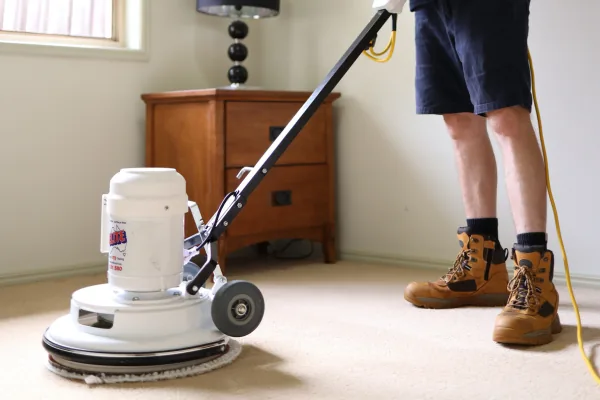 Carpet Cleaning
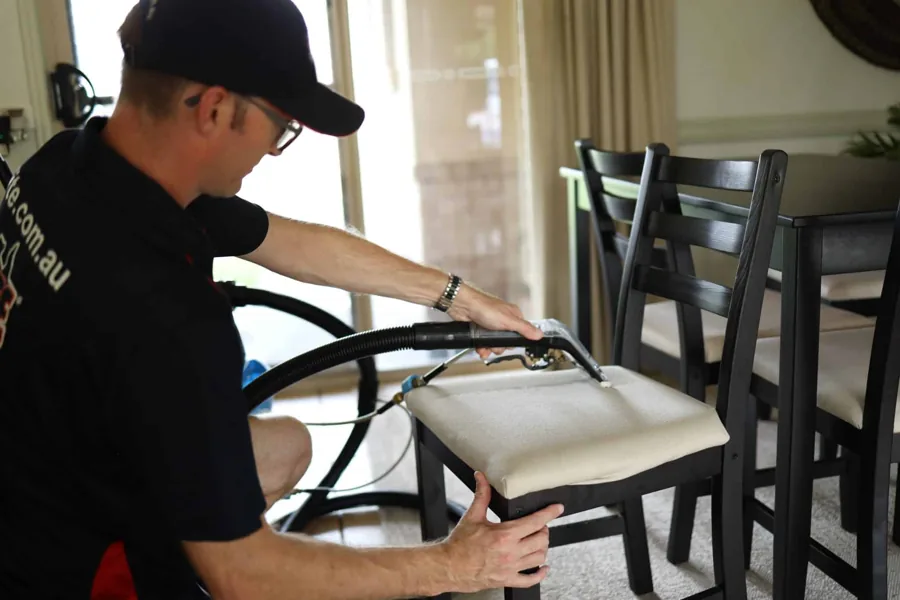 Couch & Upholstery Cleaning
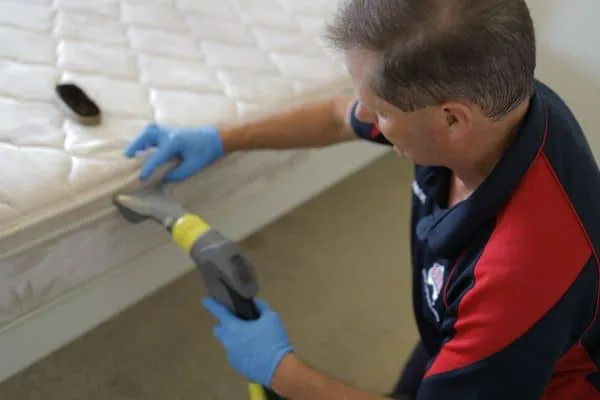 Mattress Cleaning
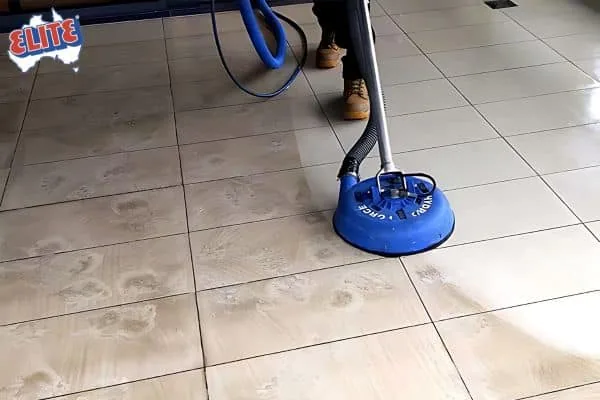 Tile & Grout Cleaning
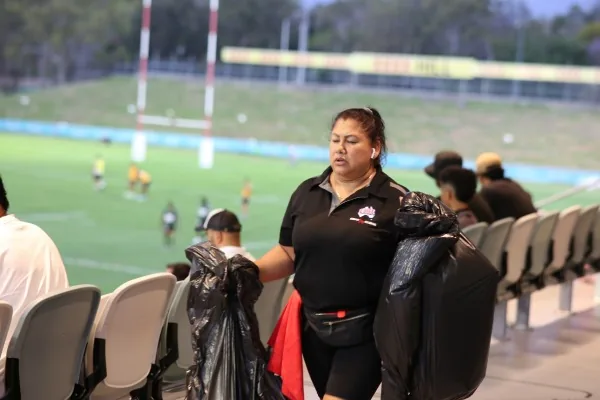 Commercial Cleaning
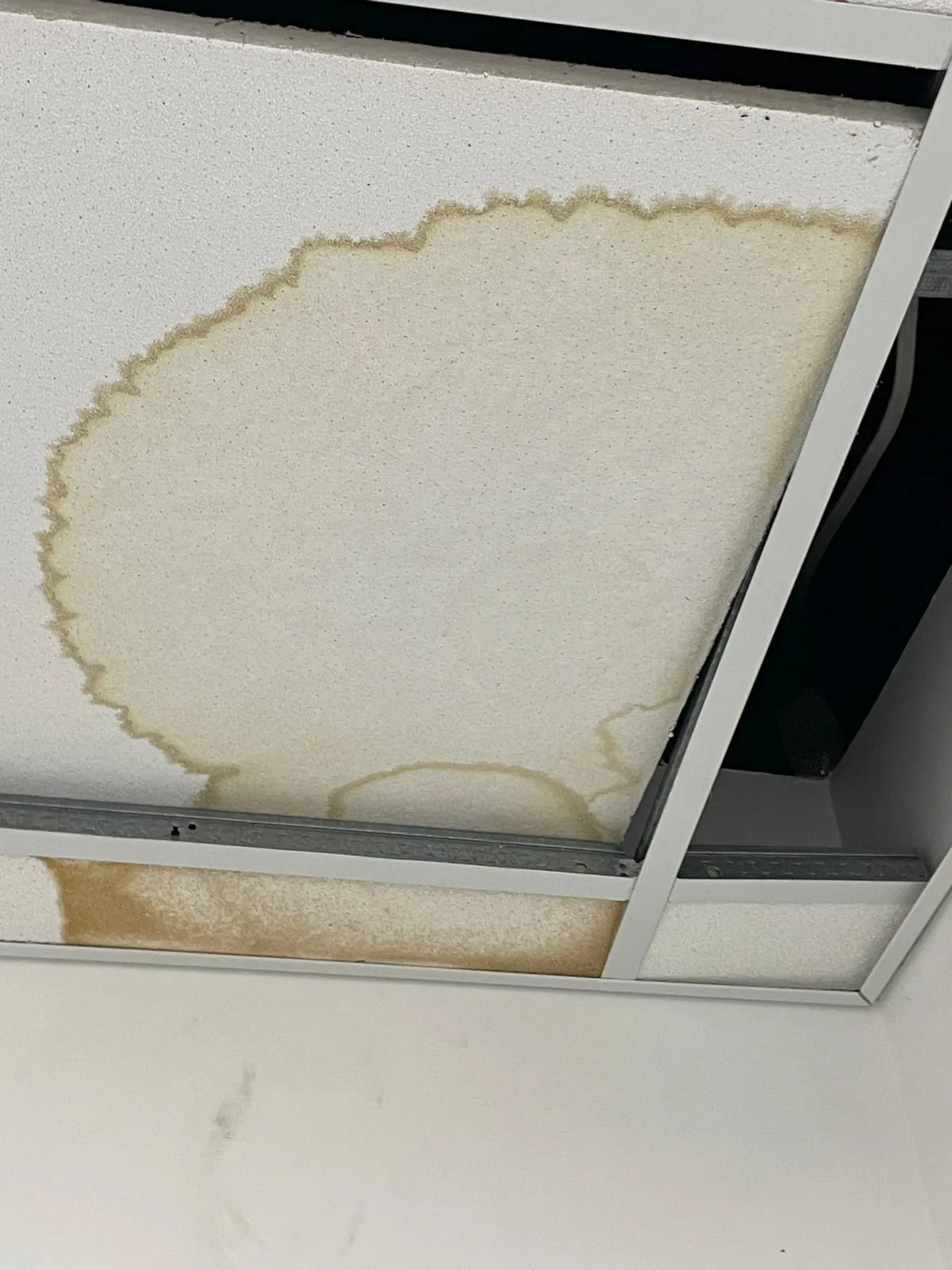 Water Damage Restoration
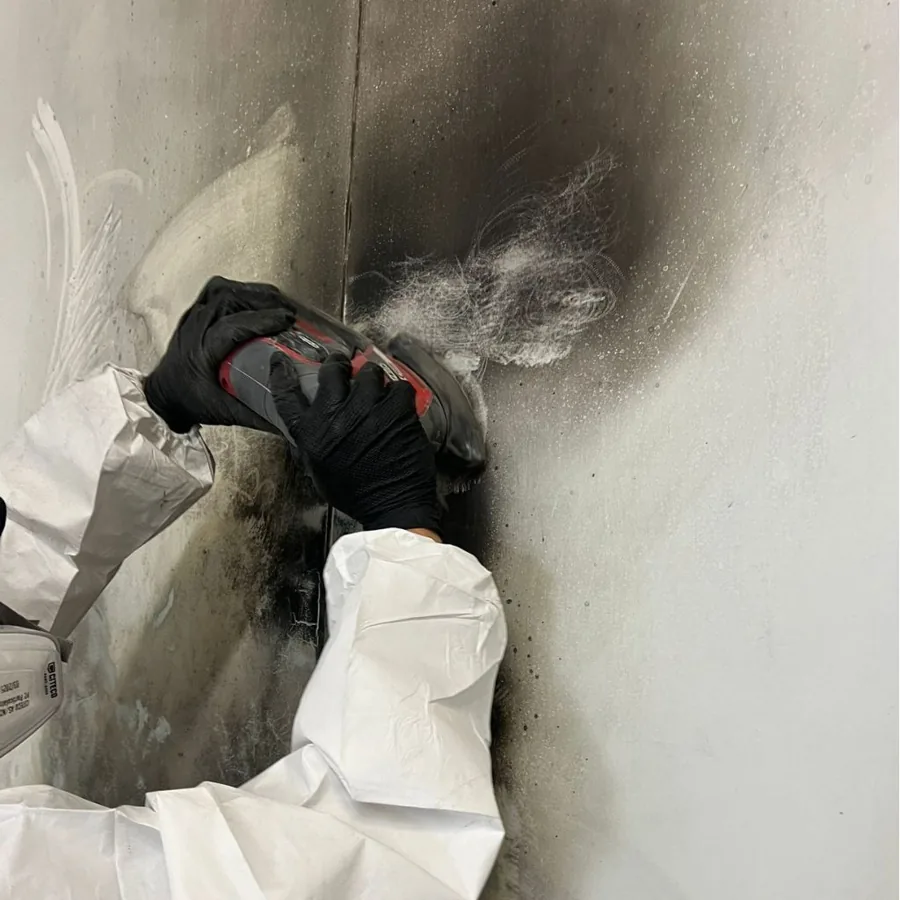 Fire and Smoke Restoration
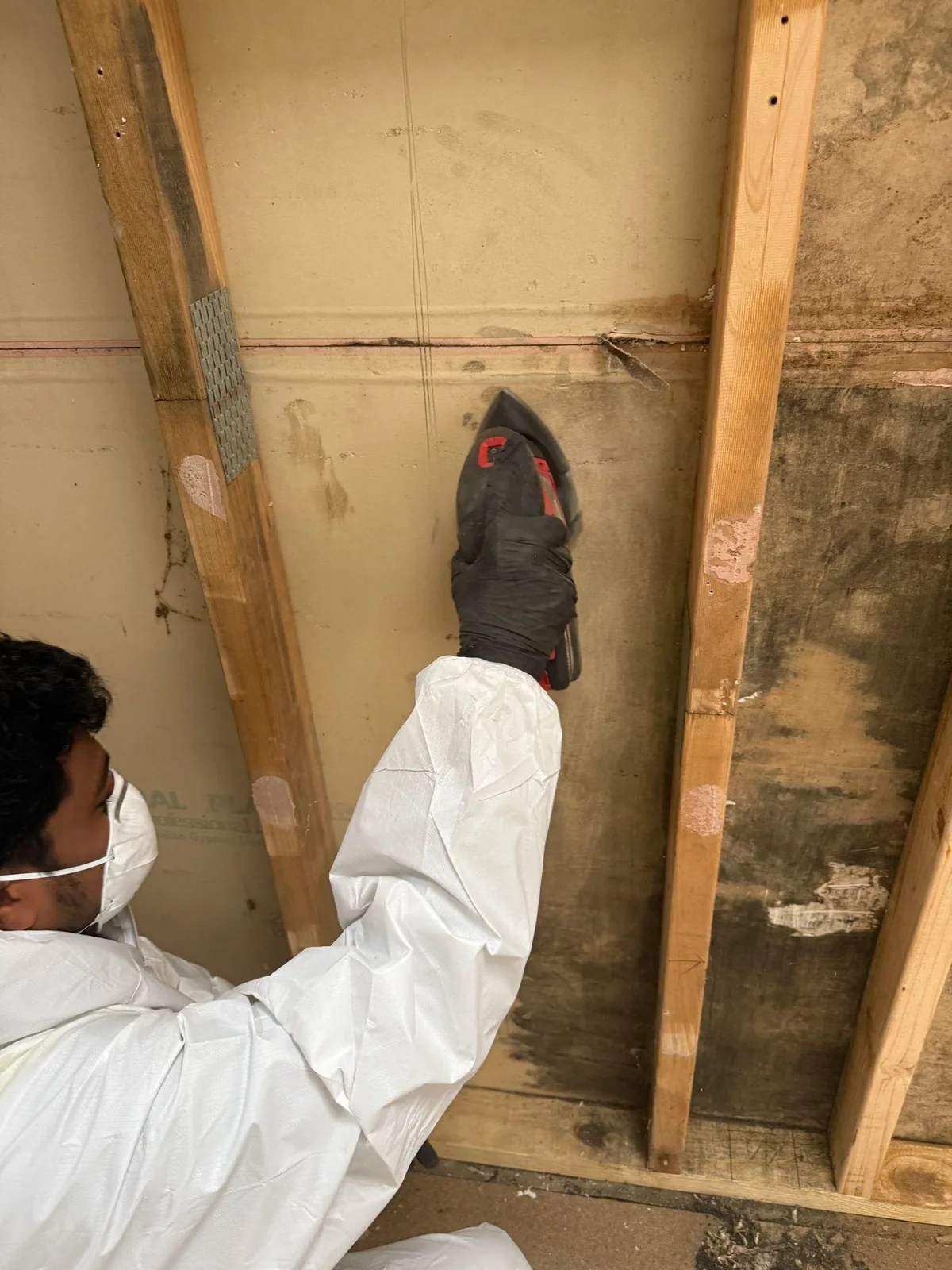 Mould Removal
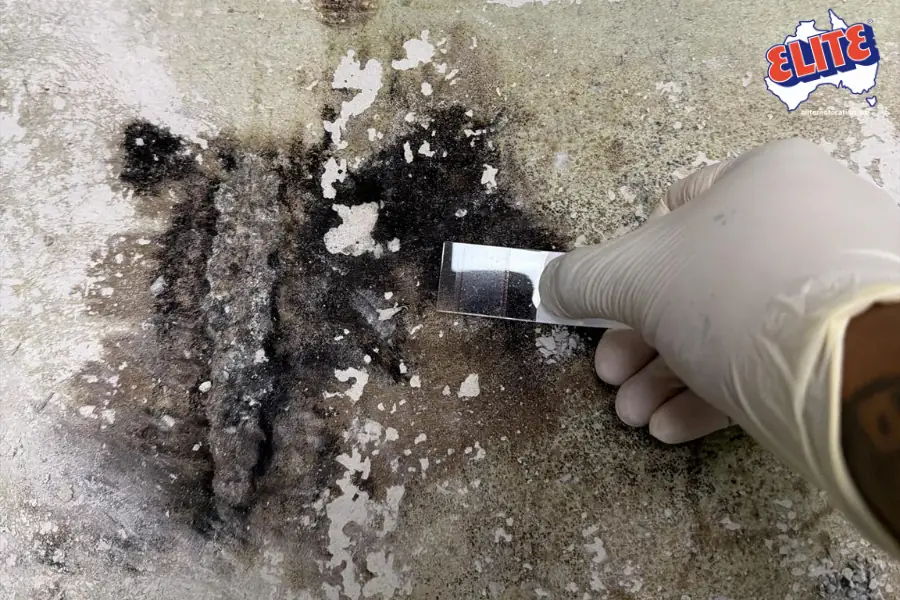 Mould Testing
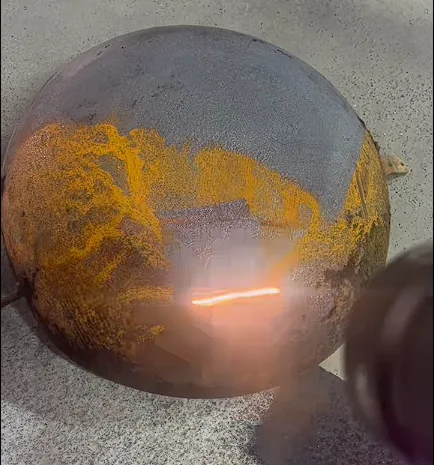 Laser Cleaning
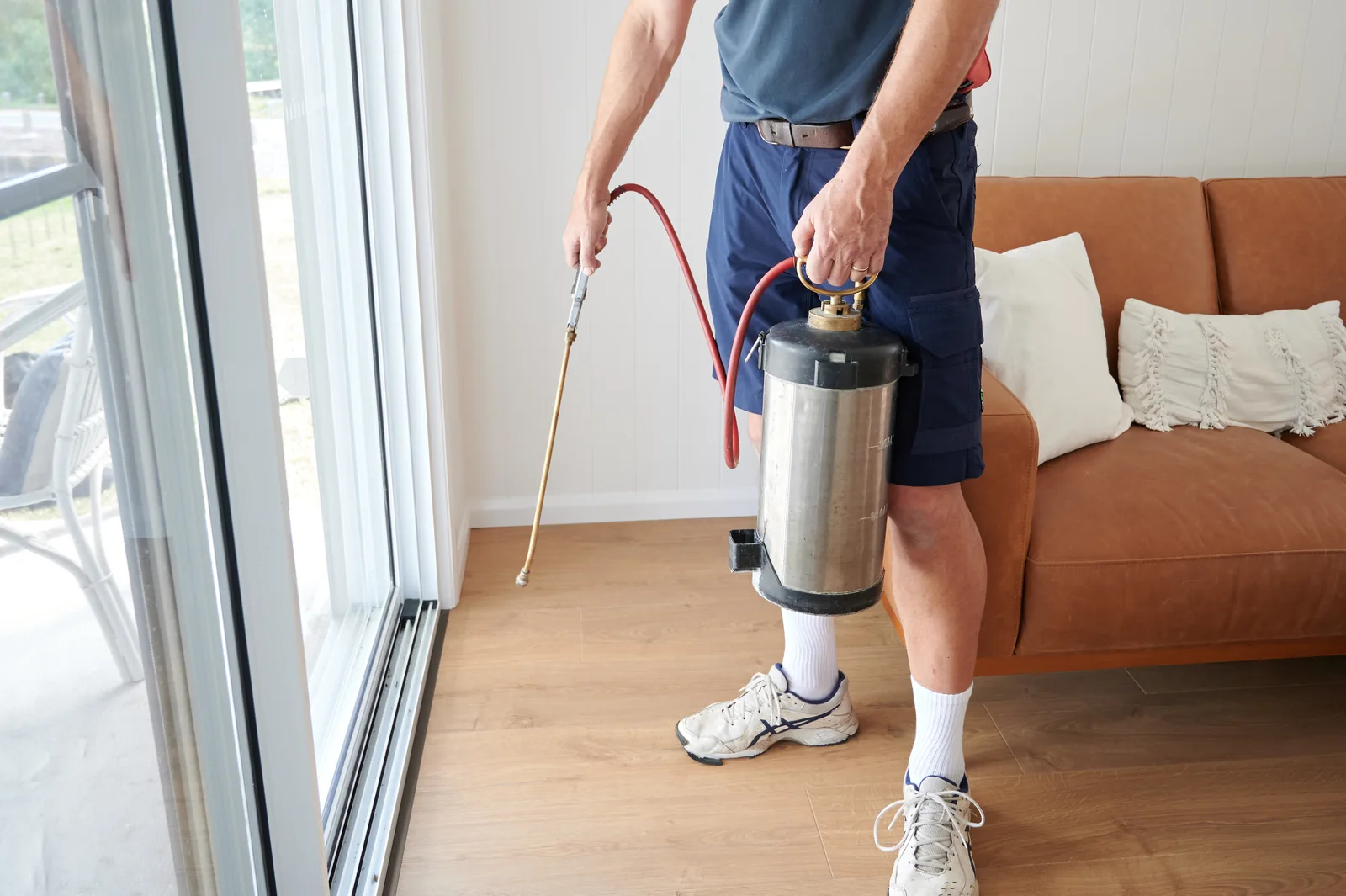 Pest Control
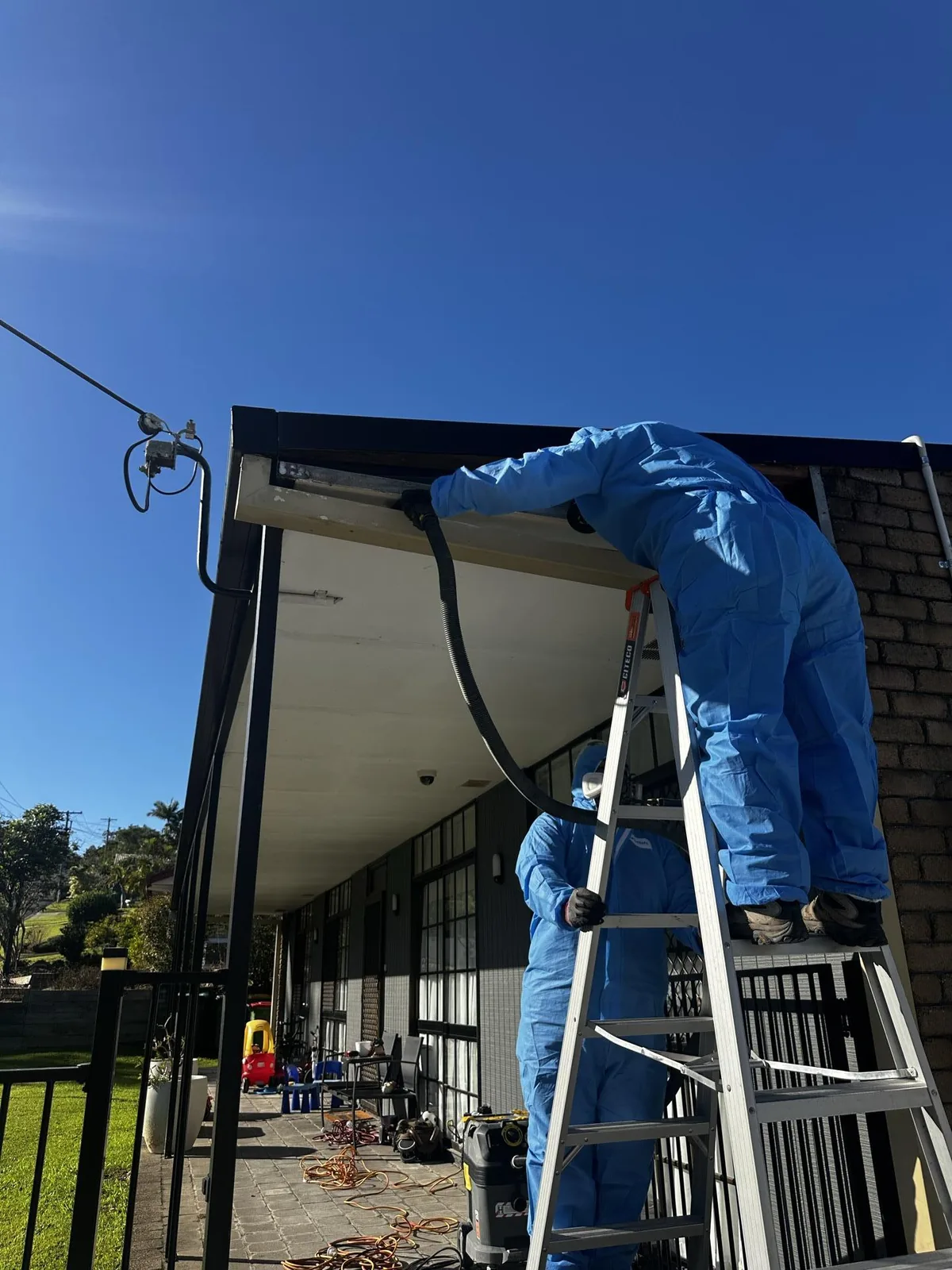 Asbestos Removal
 Asbestos Testing
 Office Cleaning
 Graffiti Removal
 Dry Ice Blasting
 Pressure Washing
 Solar Panel Cleaning
 Structural Drying
 Dehumidifier Hire
 Air Quality Testing
 Floor Sanding
 Lead Paint Removal
 Roof Cleaning
 Gutter Cleaning
 Trauma & Crime Scene Cleaning
 Deceased Estate Clearing
 Hoarding & Squalor Cleaning
 Meth Testing & Decontamination