Sanding brings a tired deck back to fresh timber, ready to take a new finish evenly. It also removes wood each time, so it is not something to do every year. This guide explains how to tell whether your deck needs sanding or just a good clean, how to choose between an oil and a stain, and when to do the work.
“We had a pipe burst in our ceiling, water seeped into our walls and our unit was at a very high risk for mould :( Guosheng worked tirelessly to ensure the drying process went as smooth as possible, even working until the evening on a Friday to ensure our walls would be dry and safe over the weekend! An extremely proficient and productive company that thrives on providing excellent service and quality work. Thank you so much for all of your help! <3”
“Guosheng from Elite Restoration did an amazing job dealing with the water damage to my unit, due to a burst pipe. Nothing was too hard and Guosheng had multiple tricks up his sleeve to ensure maximum drying capacity. The communication throughout the whole process was excellent, which made this very stressful situation for me a lot easier to handle. Thanks so much Guosheng.☺️”
Elite provides specialist cleaning and restoration for the BMS National Rugby Training Centre at Ballymore as a valued partner of Queensland Rugby Union.
A deck that is dirty, mouldy or a little dull usually only needs a thorough clean before it is re-oiled. Sanding is worth it when:
the old coating is peeling, flaking or patchy;
the timber has turned deep grey and a brightener won’t lift it;
the surface is rough, furry or splintering underfoot;
boards have cupped, so the edges stand proud;
you want to change from a dark stain to a lighter finish.
How a deck is sanded
Every nail is punched below the surface, and lifted screws replaced, so they don’t tear the sanding paper.
Sand along the boards with a coarse grit to remove the old finish and grey timber.
Follow with a finer grit for a smooth surface that takes oil evenly.
Hand sand the edges, steps and corners a machine can’t reach.
Vacuum the deck and the gaps between boards to remove all dust.
Avoid sanding too fine. A surface that is polished smooth closes the timber up and the oil can’t soak in.
Oil or stain?
Penetrating oil
It soaks into the timber and shows the natural grain. It needs a fresh coat more often, but each re-coat is easy: clean, dry, oil.
Stain
A stain carries more colour and hides uneven timber, and it can last a little longer between coats. When it wears, it tends to wear patchily, and getting back to bare timber means sanding again.
When to do it
The best time is a stretch of dry, mild weather: oil needs dry timber to soak in, and it cures badly in rain or harsh midday heat. Spring and autumn are the usual seasons. Apply the first coat a day or two after sanding, before the fresh timber starts to weather.
Timber floors inside the house
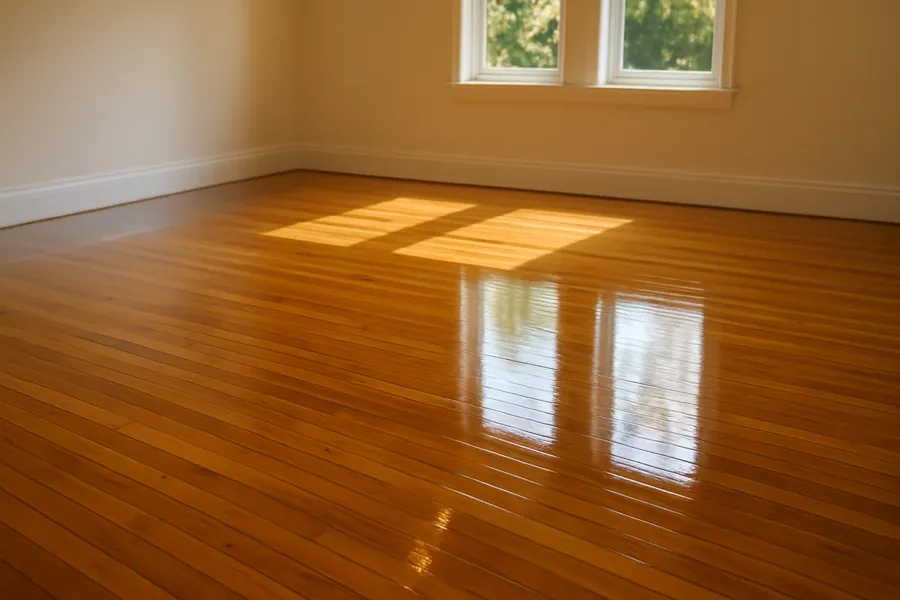
Elite offers floor sanding and polishing for timber floors. Our technicians are police-checked and fully insured, every job carries a satisfaction guarantee, and the Elite brand has been operating since 1984.
Deck sanding questions
How often should a deck be sanded?
Only when the finish has broken down or the surface is rough. With regular cleaning and oiling, many decks go years between sandings.
Can I oil a deck without sanding it?
Yes, if the old finish is sound. A thorough clean and a full dry is enough before re-oiling.
How long after oiling can I walk on a deck?
Usually after a day for light foot traffic. Leave furniture off until the oil has fully cured, as the product label sets out.

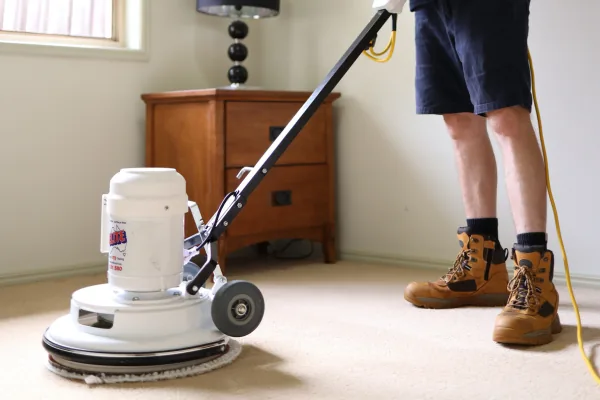 Carpet Cleaning
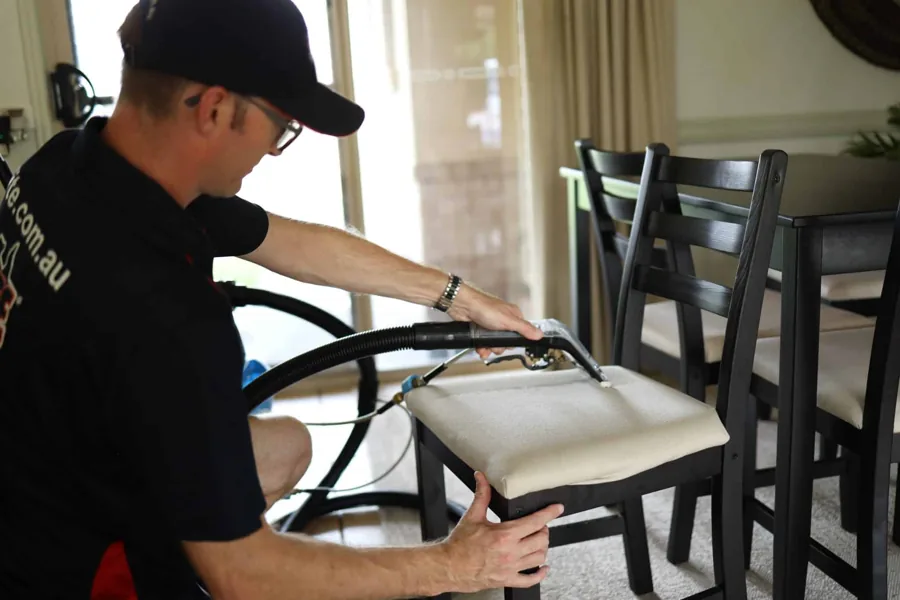 Couch & Upholstery Cleaning
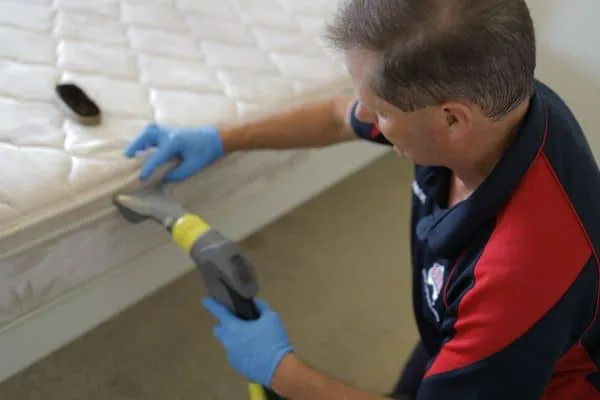 Mattress Cleaning
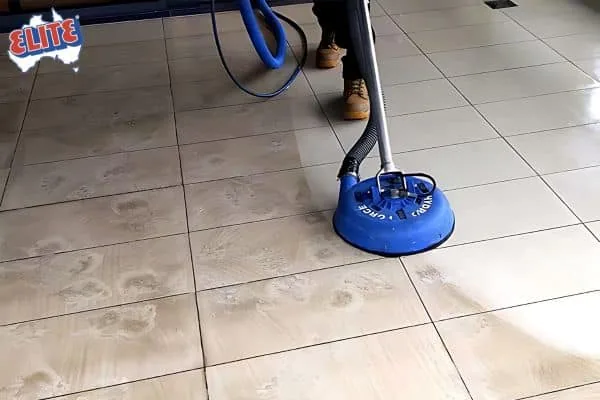 Tile & Grout Cleaning
 Commercial Cleaning
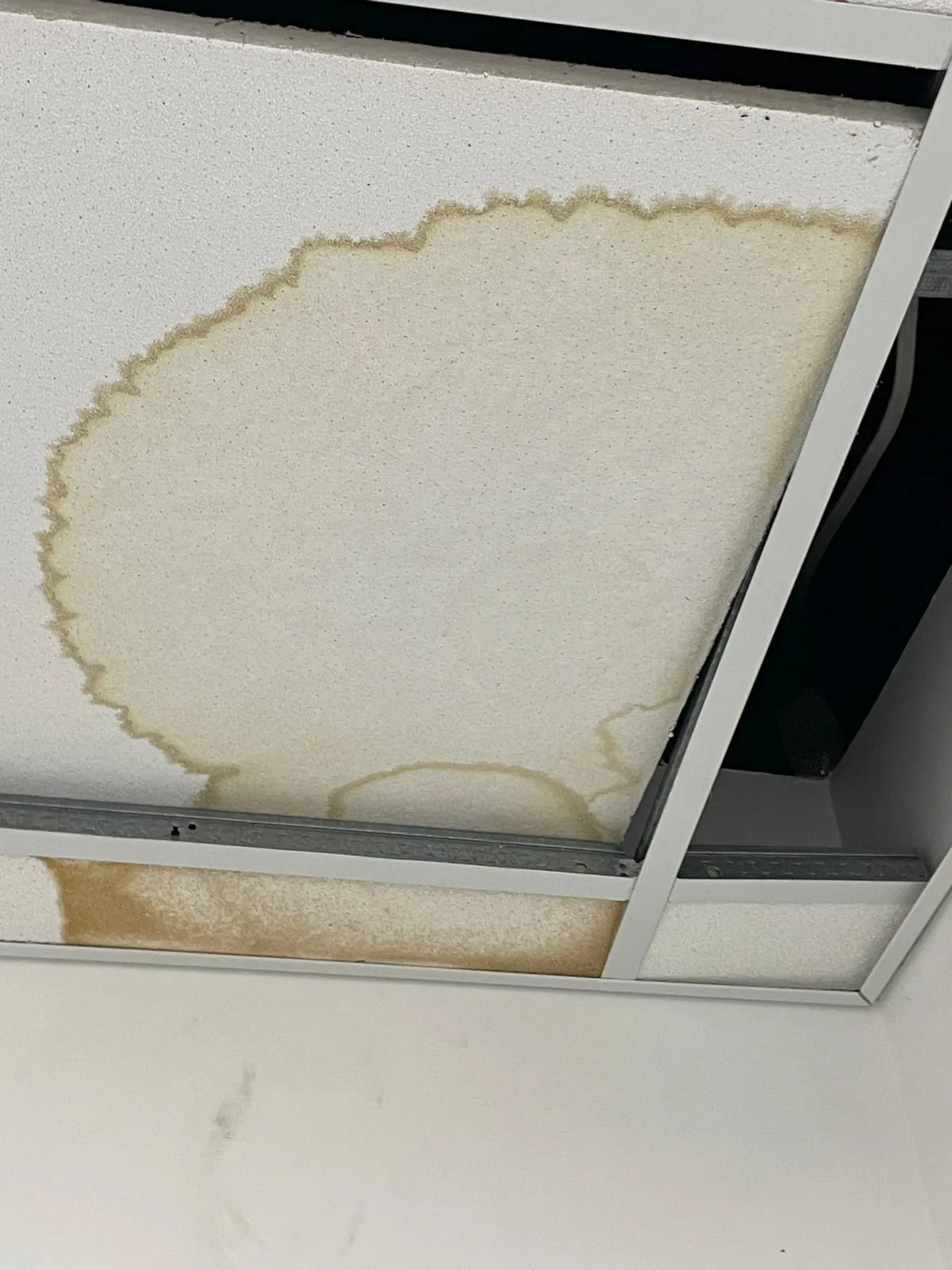 Water Damage Restoration
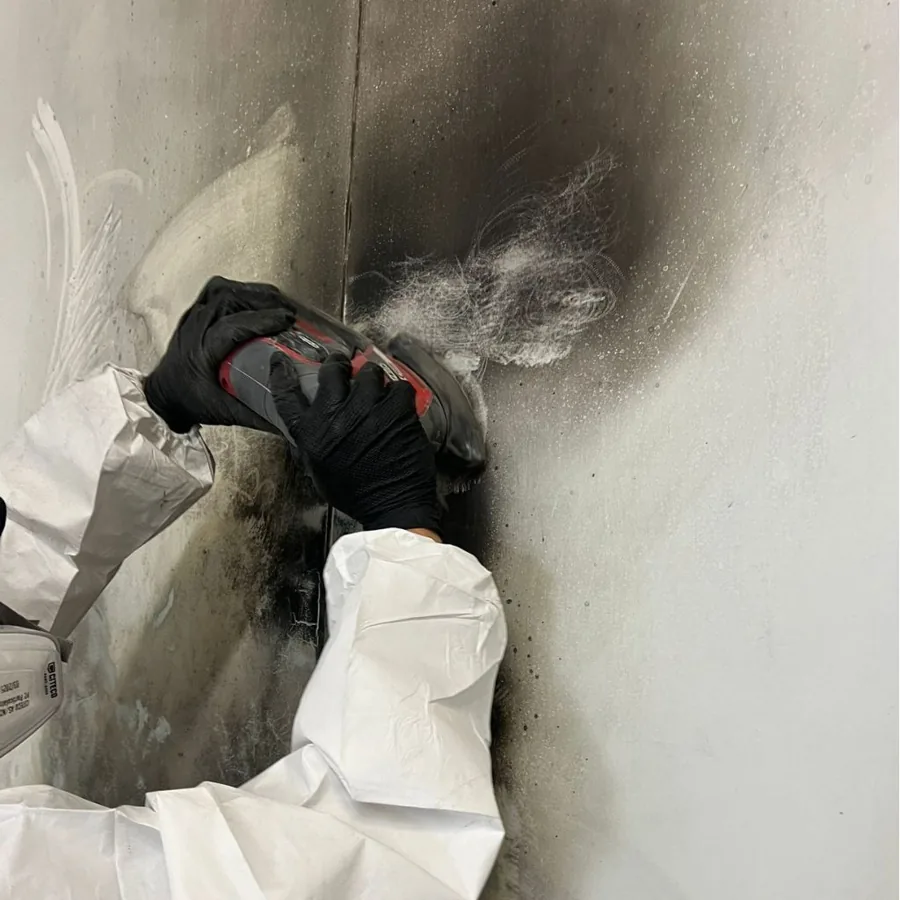 Fire and Smoke Restoration
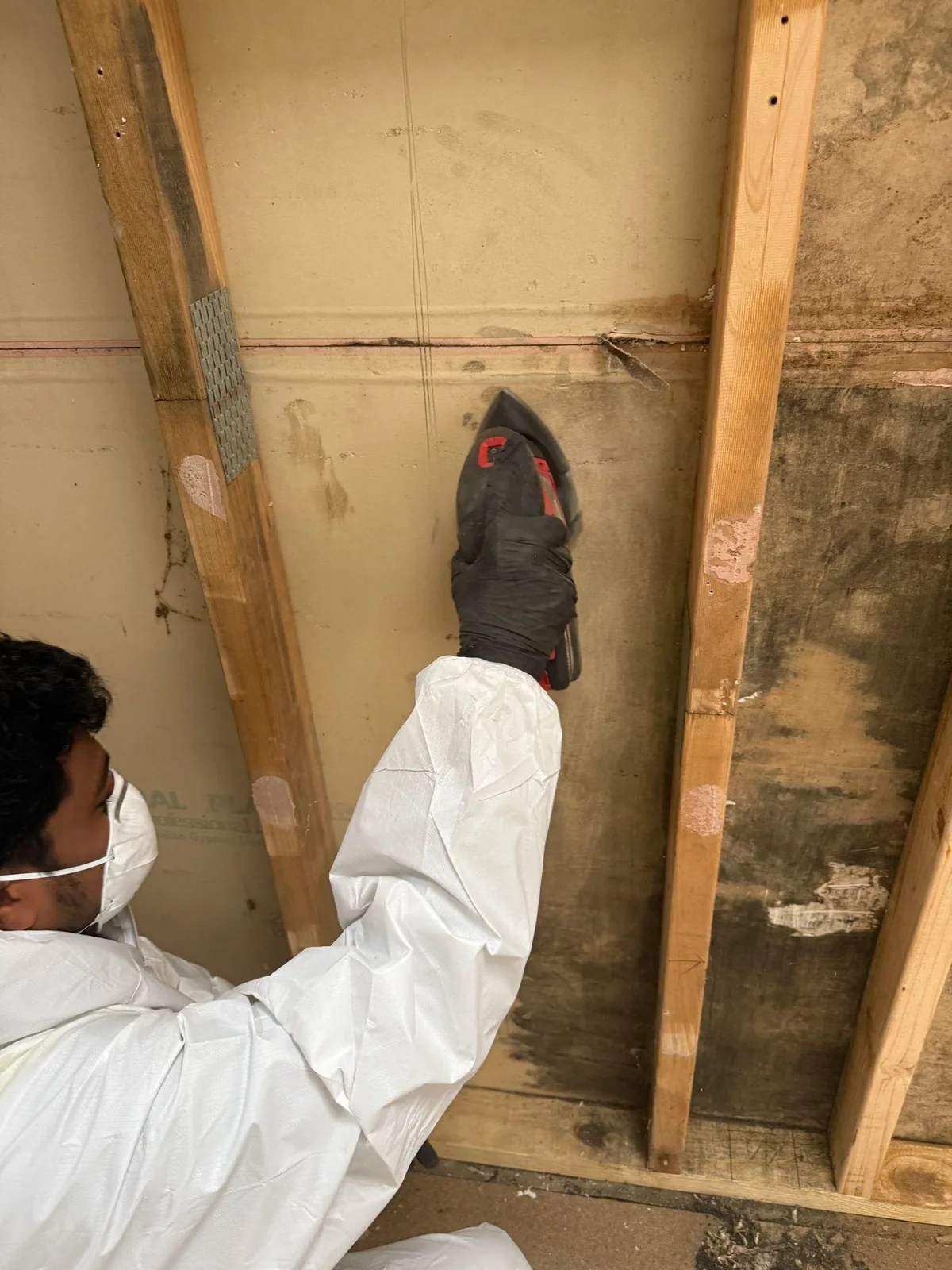 Mould Removal
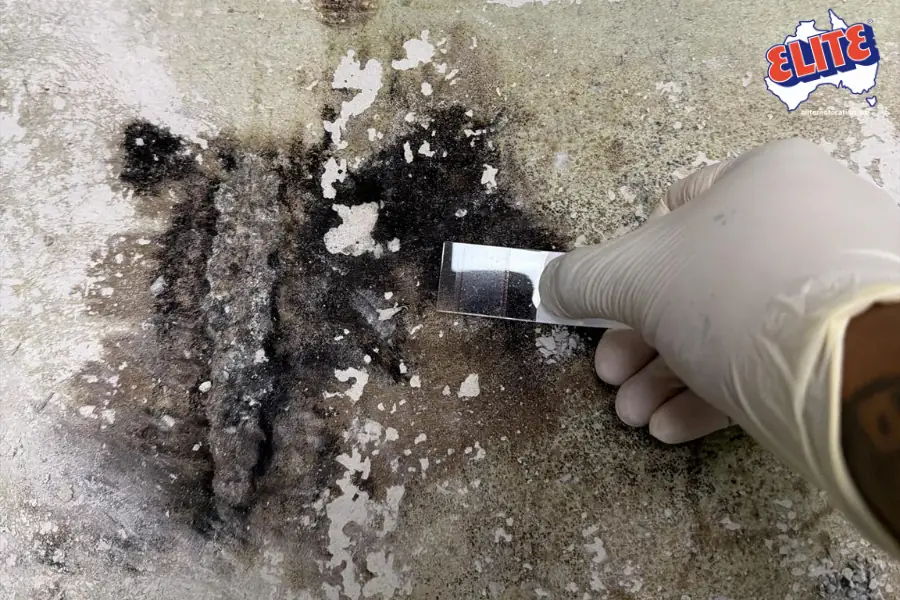 Mould Testing
 Laser Cleaning
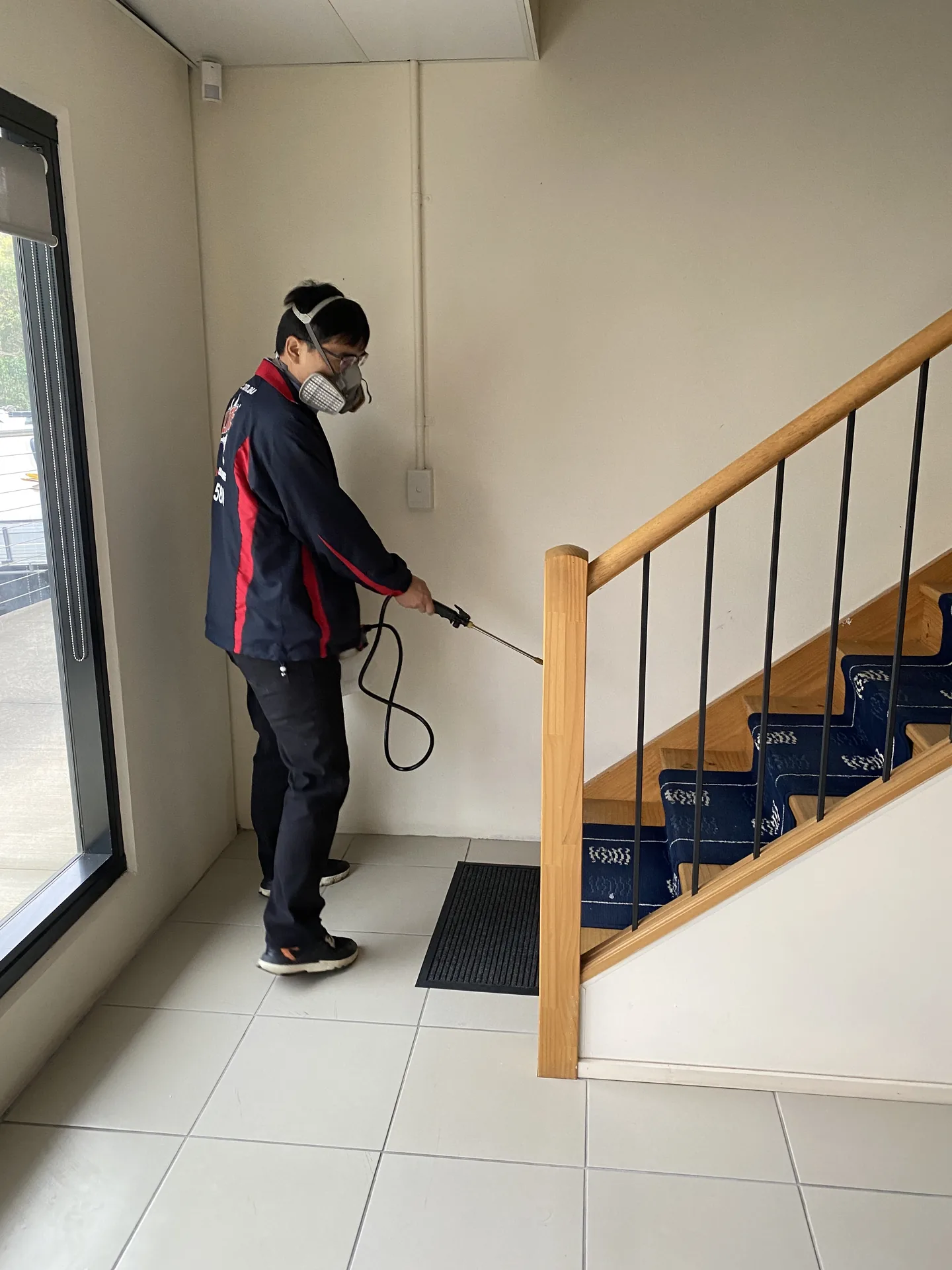 Pest Control
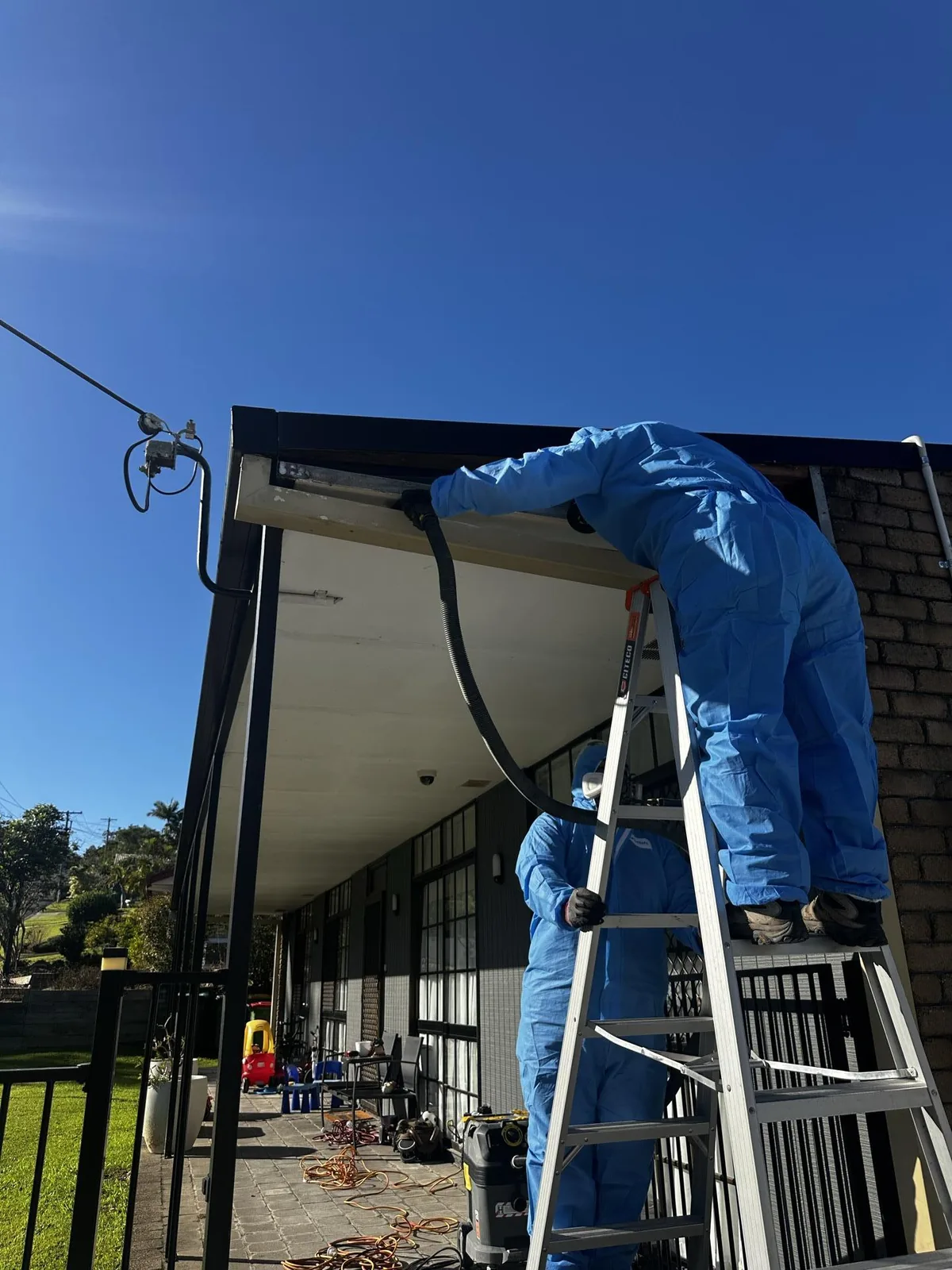 Asbestos Removal
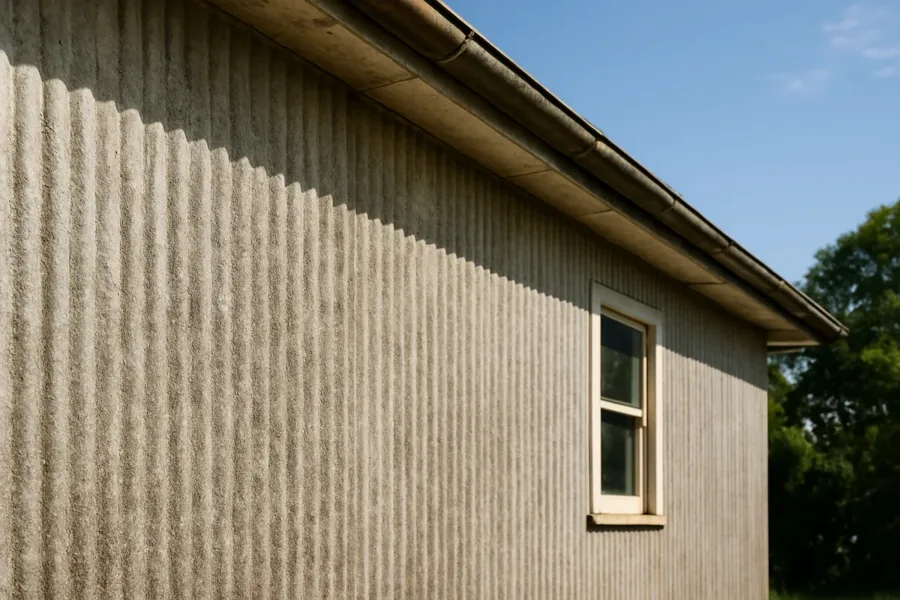 Asbestos Testing
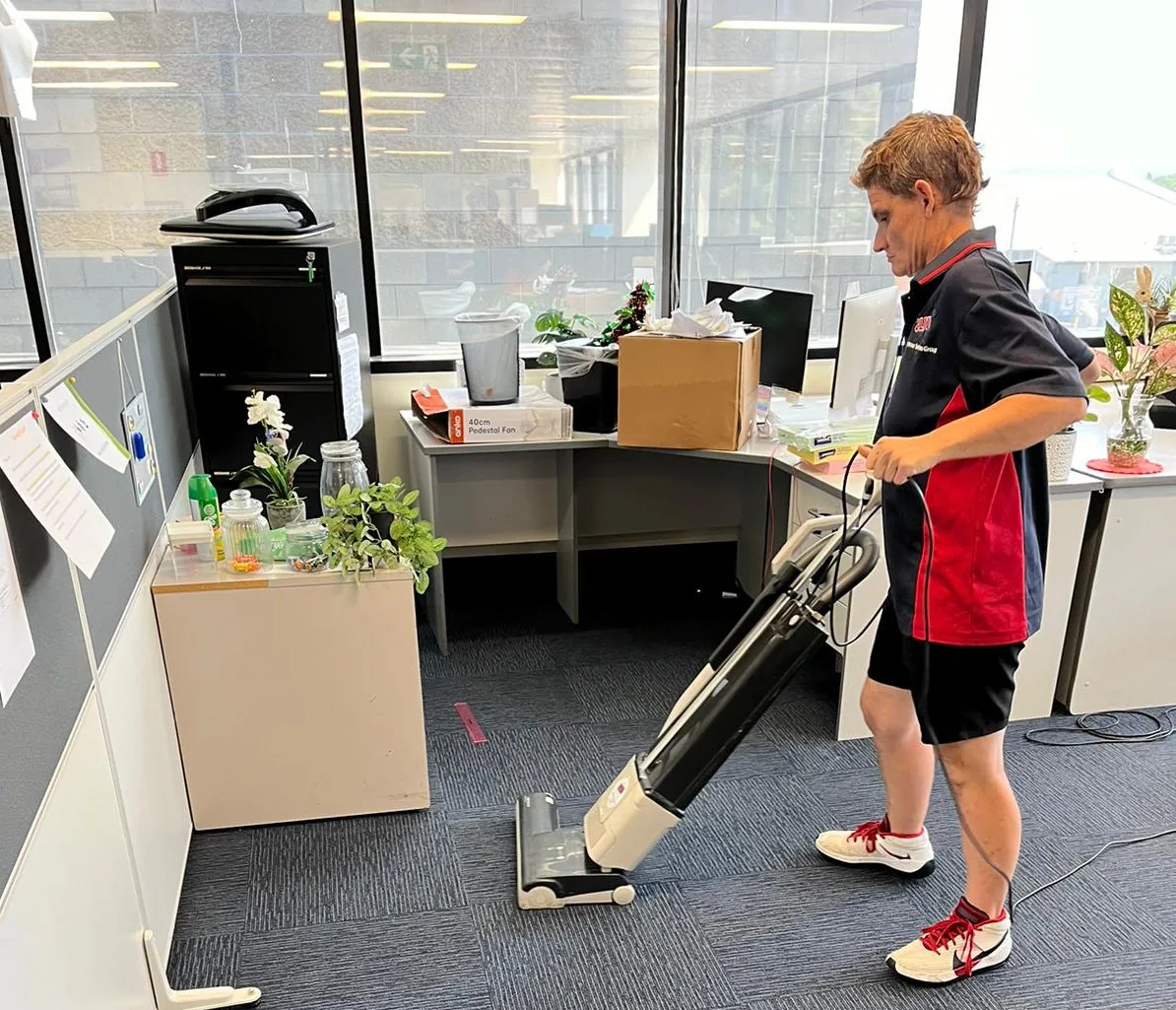 Office Cleaning
 Graffiti Removal
 Dry Ice Blasting
 Pressure Washing
 Solar Panel Cleaning
 Structural Drying
 Dehumidifier Hire
 Air Quality Testing
 Floor Sanding
 Lead Paint Removal
 Roof Cleaning
 Gutter Cleaning
 Trauma & Crime Scene Cleaning
 Deceased Estate Clearing
 Hoarding & Squalor Cleaning
 Meth Testing & Decontamination