What the test looks at
- Mould spores: a higher count or different types indoors than outside points to growth somewhere in the building.
- Particulates: fine dust and smoke that can be breathed deep into the lungs.
- VOCs: gases from paints, adhesives, new furniture, flooring and cleaning products.
- Humidity: air that stays damp is where mould and dust mite problems start.
How it is done
- We go over what you have noticed and agree which rooms to test.
- Readings and air samples are taken in those rooms, plus one outside.
- Samples are analysed through NATA-accredited laboratory partners.
- You receive a report: the results, the indoor and outdoor comparison, the likely source and the recommended fix.
If the results point to hidden mould, Elite can trace the moisture behind it and carry out remediation in line with IICRC S520.
What customers say
“Quick, reliable and efficient, very knowledgeable staff I found that no Job is to big or small, very professional service highly recommend” – Mark Briggs, Google review, 5/5.
Elite is an IICRC Certified Firm (70100265).
Technicians are police-checked and fully insured, with $20 million in public and products liability cover, and every job carries a satisfaction guarantee. The business is CM3 certified for contractor OH&S and compliance, and the Elite brand has been operating since 1984.
Air quality questions
Can air testing find mould I can’t see?
Often. A higher spore count indoors than outside points to hidden growth that can then be traced.
Do I need every room tested?
Usually not. The rooms with the smell, the symptoms or past water damage come first, plus an outdoor sample.
Can I stay home during testing?
Yes. Testing is quiet and doesn’t disturb the household.
What happens if the results are high?
The report sets out the likely source and the fix, whether that is ventilation, moisture control or mould remediation.

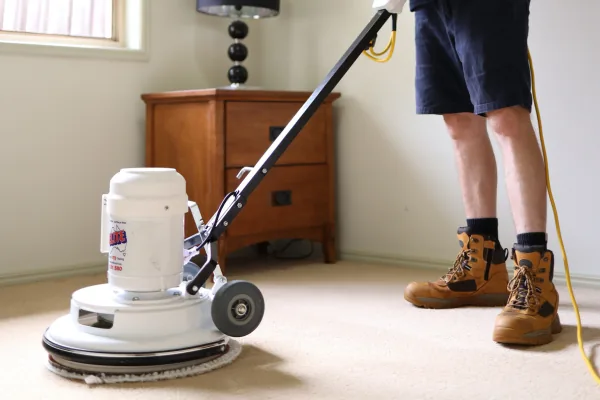 Carpet Cleaning
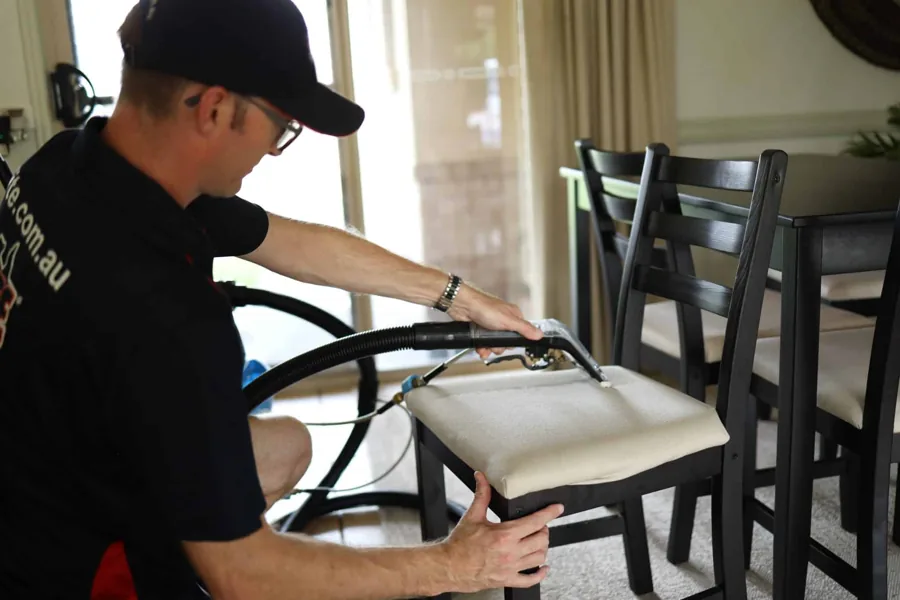 Couch & Upholstery Cleaning
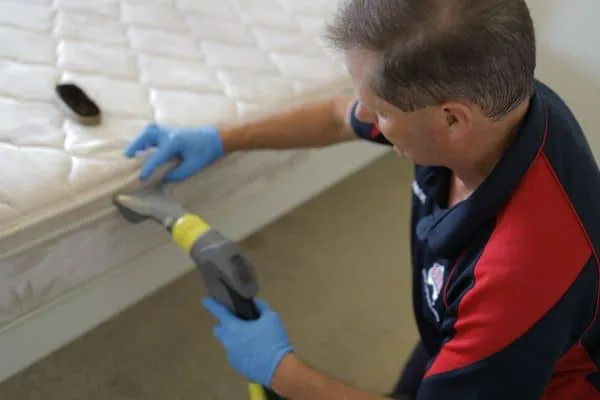 Mattress Cleaning
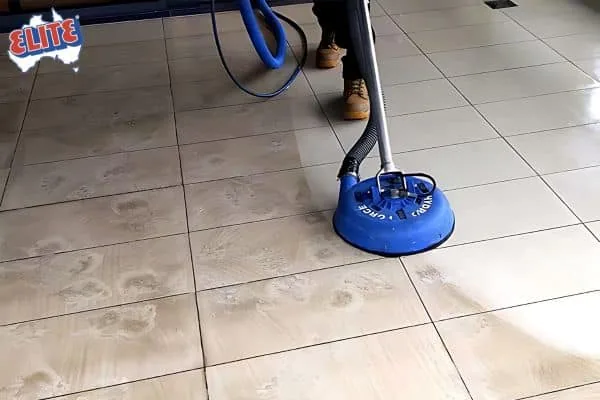 Tile & Grout Cleaning
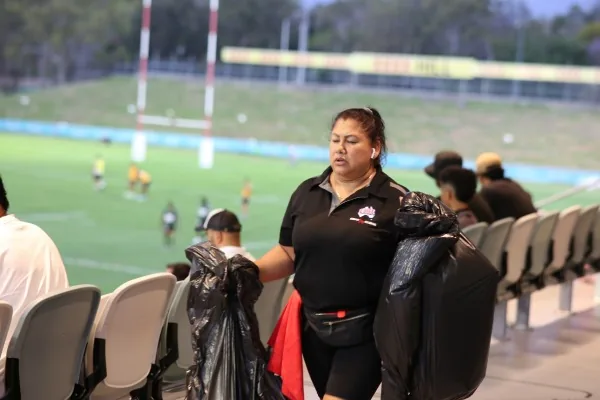 Commercial Cleaning
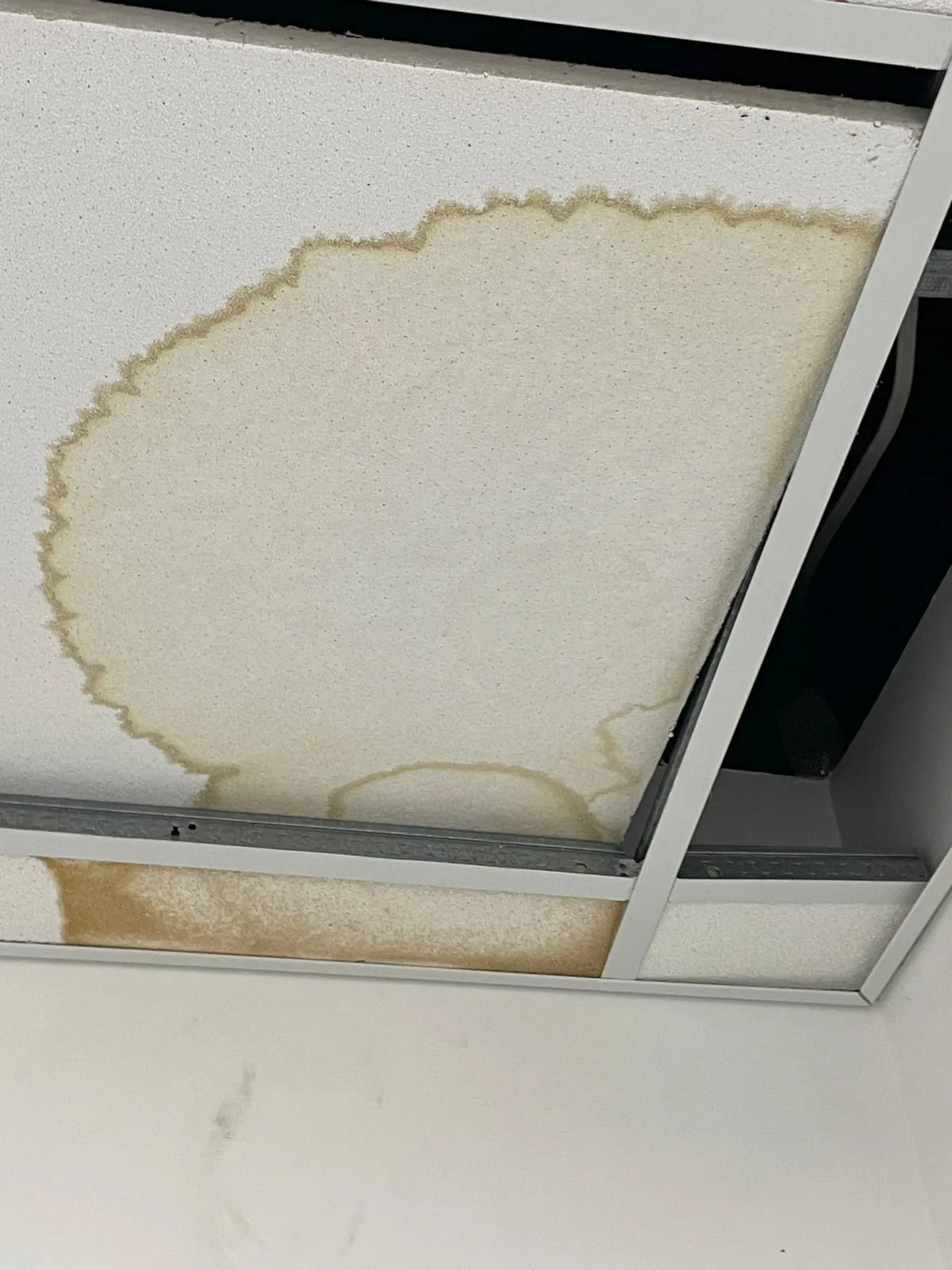 Water Damage Restoration
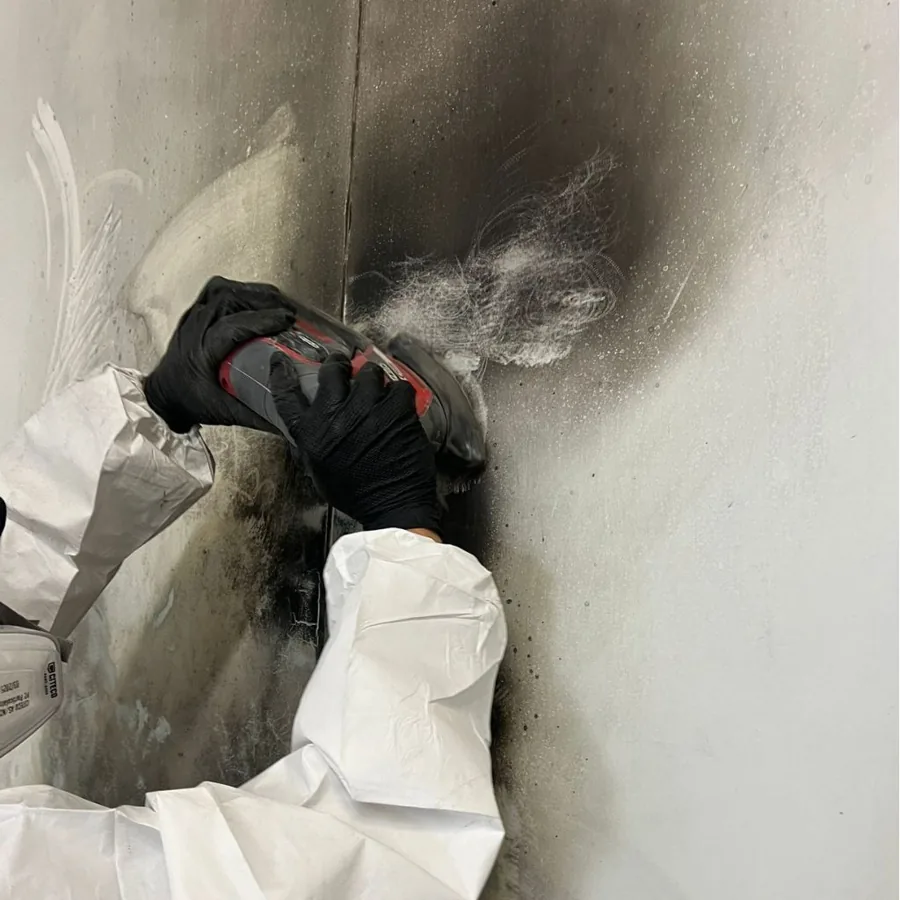 Fire and Smoke Restoration
 Mould Removal
 Mould Testing
 Laser Cleaning
 Pest Control
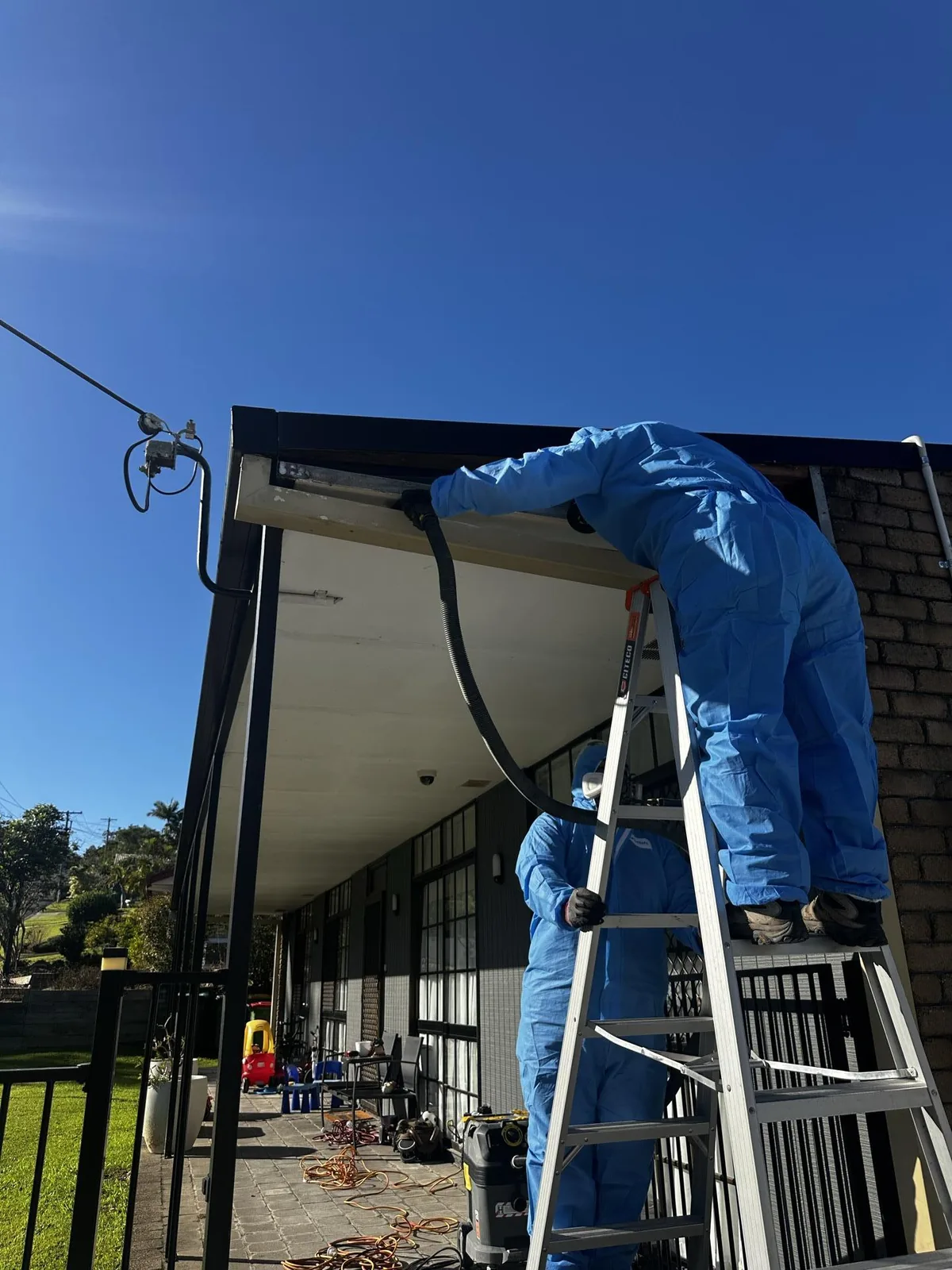 Asbestos Removal
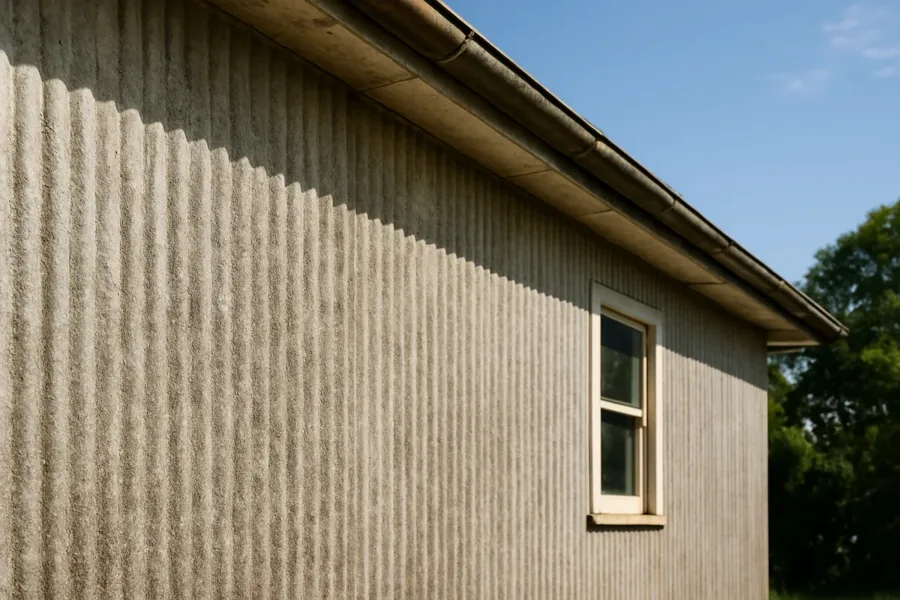 Asbestos Testing
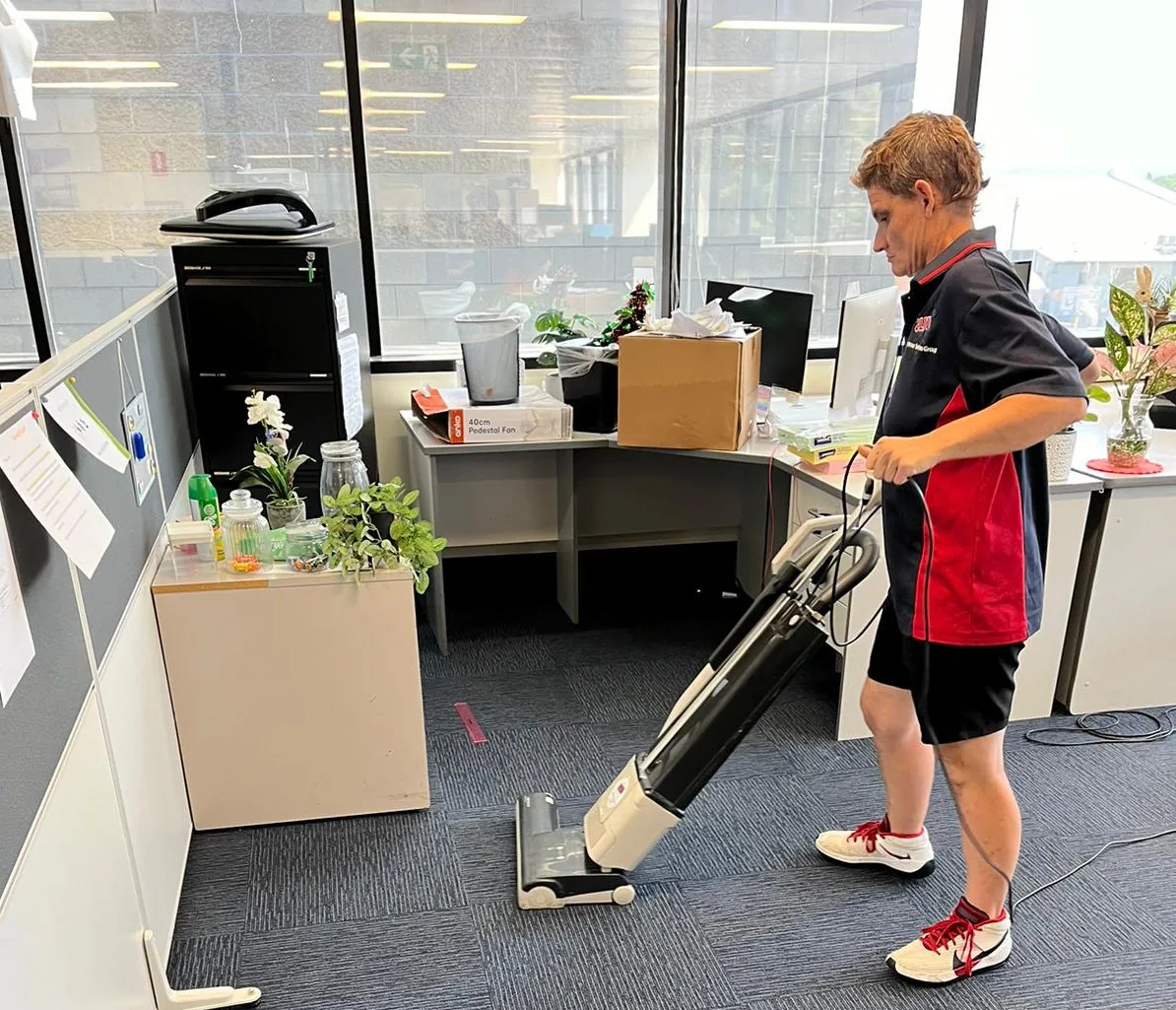 Office Cleaning
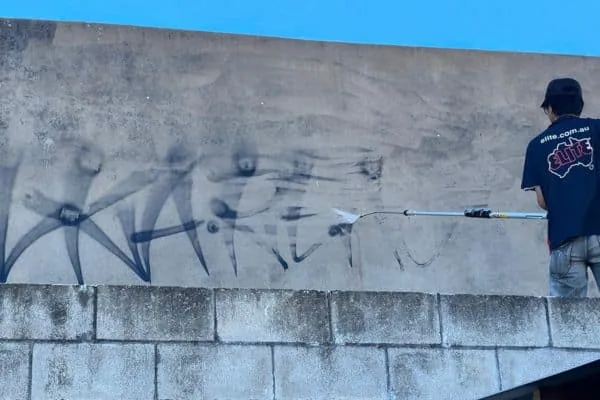 Graffiti Removal
 Dry Ice Blasting
 Pressure Washing
 Solar Panel Cleaning
 Structural Drying
 Dehumidifier Hire
 Air Quality Testing
 Floor Sanding
 Lead Paint Removal
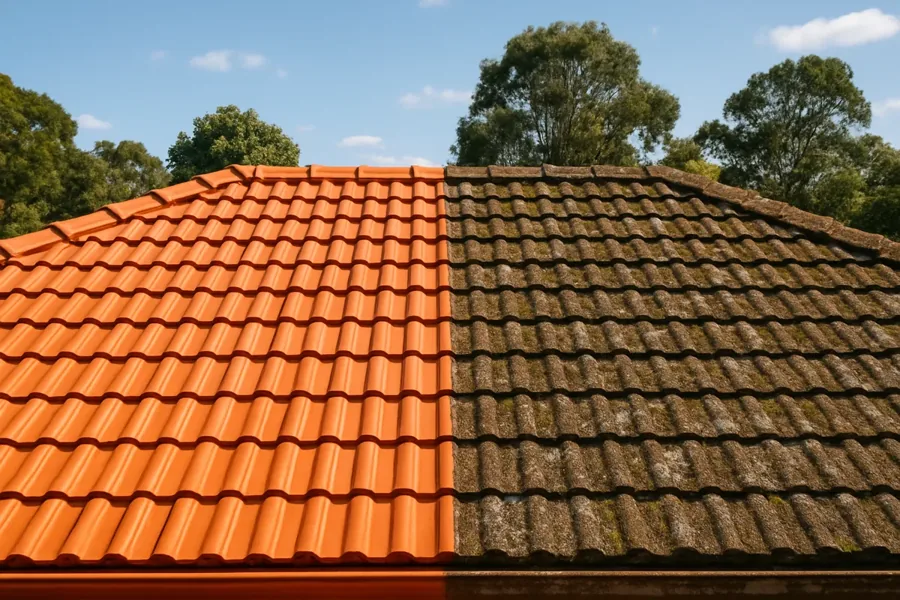 Roof Cleaning
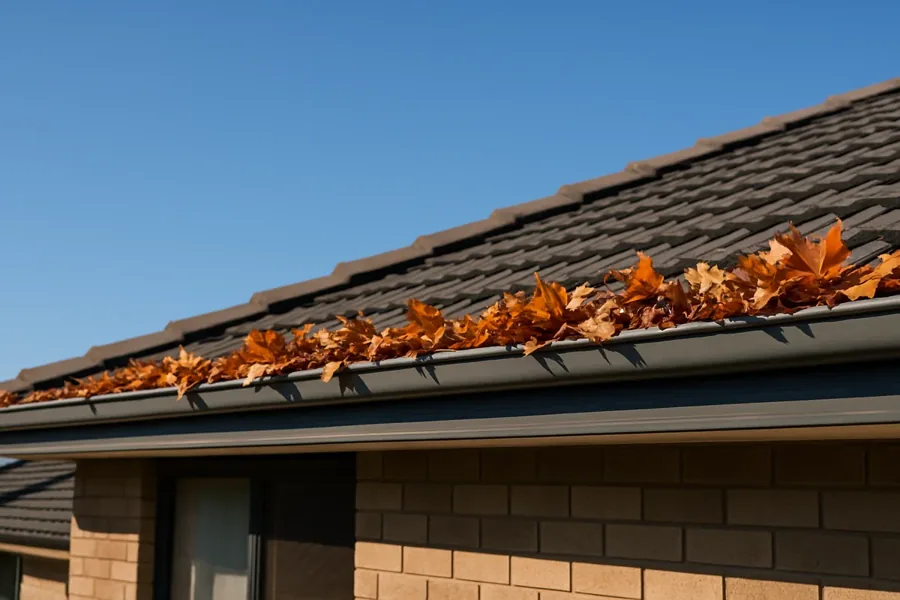 Gutter Cleaning
 Trauma & Crime Scene Cleaning
 Deceased Estate Clearing
 Hoarding & Squalor Cleaning
 Meth Testing & Decontamination