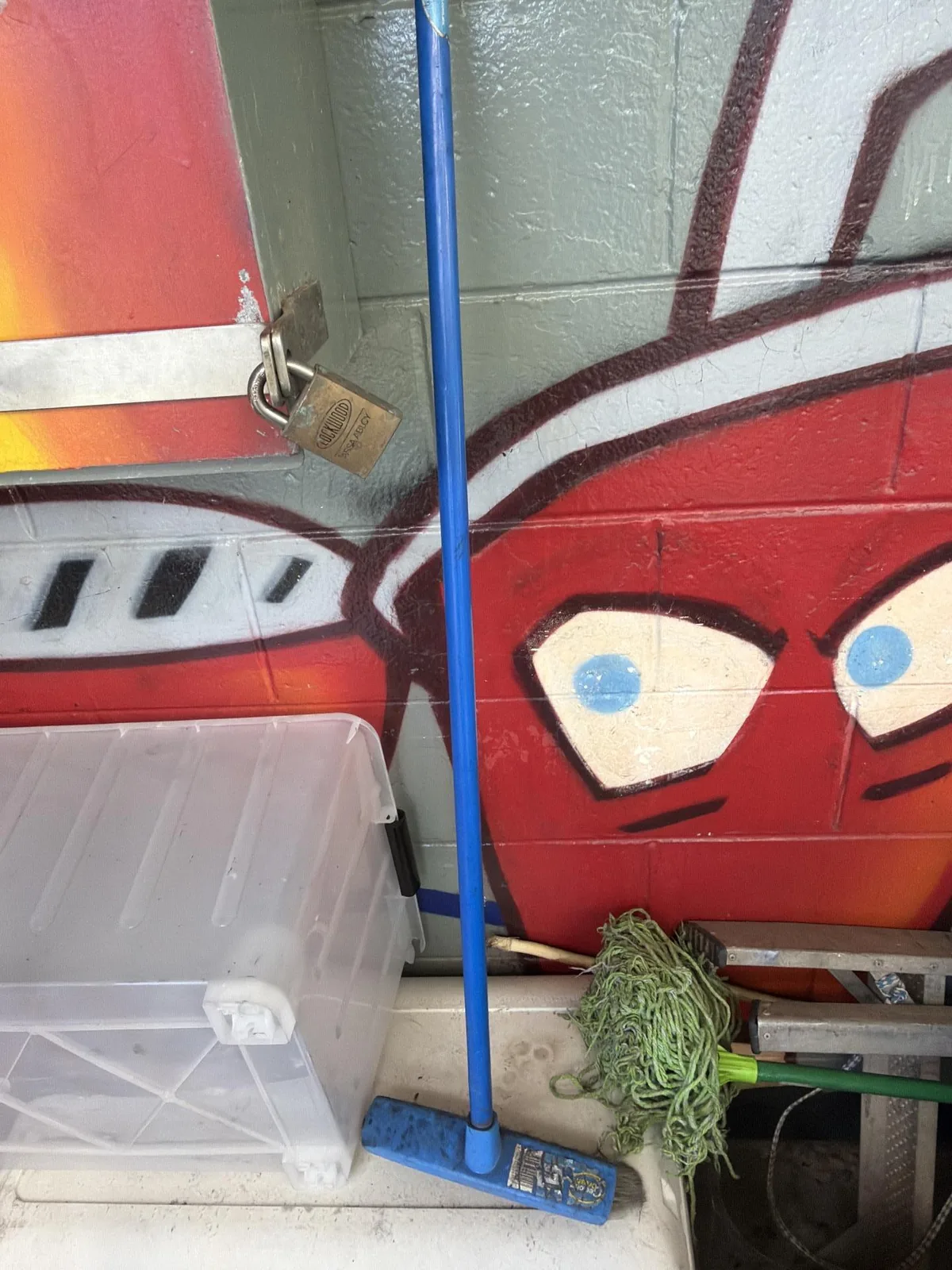
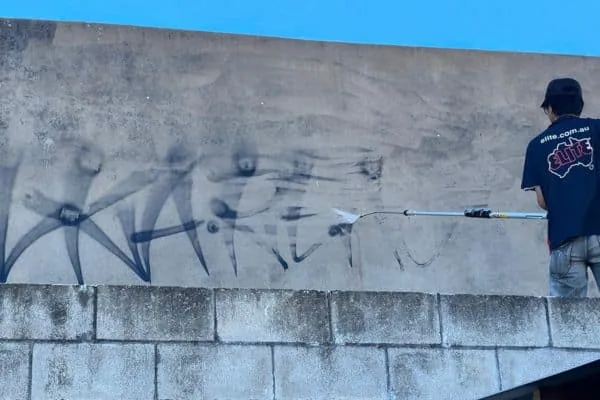
Graffiti removal takes tags and paint off brick, render, metal, glass and painted surfaces without damaging what is underneath. The method is chosen for the surface and the paint: laser cleaning, a low-pressure softwash, or a chemical remover. Anti-graffiti coatings can then be applied so the next tag comes off far more easily.
It is booked by councils, strata managers and commercial owners who want it gone before it attracts more, and by homeowners with a tagged fence or wall.
“We had a pipe burst in our ceiling, water seeped into our walls and our unit was at a very high risk for mould :( Guosheng worked tirelessly to ensure the drying process went as smooth as possible, even working until the evening on a Friday to ensure our walls would be dry and safe over the weekend! An extremely proficient and productive company that thrives on providing excellent service and quality work. Thank you so much for all of your help! <3”
“Guosheng from Elite Restoration did an amazing job dealing with the water damage to my unit, due to a burst pipe. Nothing was too hard and Guosheng had multiple tricks up his sleeve to ensure maximum drying capacity. The communication throughout the whole process was excellent, which made this very stressful situation for me a lot easier to handle. Thanks so much Guosheng.☺️”
Graffiti paint soaks into porous surfaces and sits on top of smooth ones, so one approach doesn’t suit everything.
Brick and stone are porous. Paint gets into the pores, and an aggressive clean can scar the face or leave a ghost of the tag behind.
Render and painted walls are easily damaged by high pressure, so a gentler method or a careful chemical remover is used.
Metal, signage and Colorbond need a remover that lifts the paint without stripping the factory finish.
Glass can be cleaned, though etched or scratched tags are cut into the surface itself.
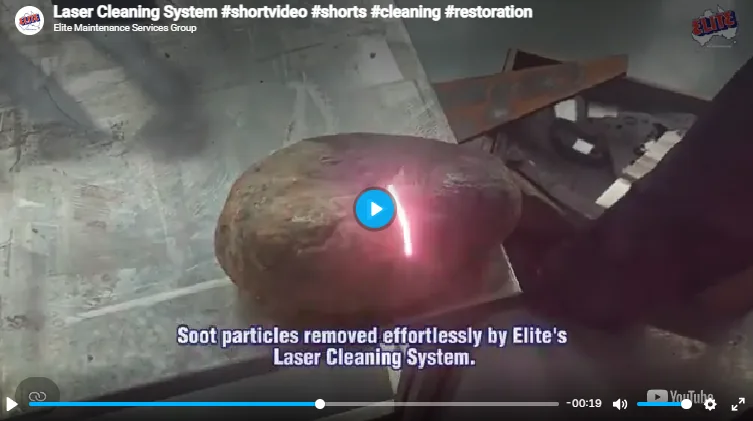
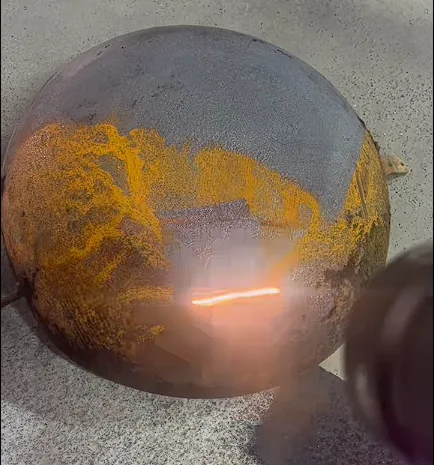
Laser cleaning suits many hard surfaces because it removes the paint layer without chemicals or abrasive blasting.
How a removal runs
We look at photos or the site, identify the surface and the paint, and quote.
A small test patch confirms the method before the whole area is done.
The graffiti is removed with laser, softwash or a chemical remover, as the test showed.
The area is rinsed and checked in good light for shadows.
If you want it, an anti-graffiti coating is applied to make future removal faster.
Stopping the repeat
Speed matters. Graffiti left in place tends to attract more, and fresh paint comes off more easily than paint that has cured for weeks. An anti-graffiti coating stops new paint bonding firmly, so the next tag can be cleaned off quickly.
Councils, strata and commercial property
Councils, body corporates and facility managers usually need contractors prequalified. The business is CM3 certified for contractor OH&S and compliance, and work is carried out to the relevant Australian Standards. Technicians are police-checked and fully insured, with $20 million in public and products liability cover.
Graffiti removal questions
Can graffiti be removed without damaging the surface?
In most cases, yes, which is why the method is chosen for the surface and tested on a small patch first.
Can old graffiti or ghosting be removed?
Often. Older paint is harder to shift, and on porous surfaces a faint shadow can remain, but much of it can be lifted.
Can you stop it coming back?
No coating stops someone tagging, but an anti-graffiti coating means the next tag comes off quickly and cleanly.

 Carpet Cleaning
 Couch & Upholstery Cleaning
 Mattress Cleaning
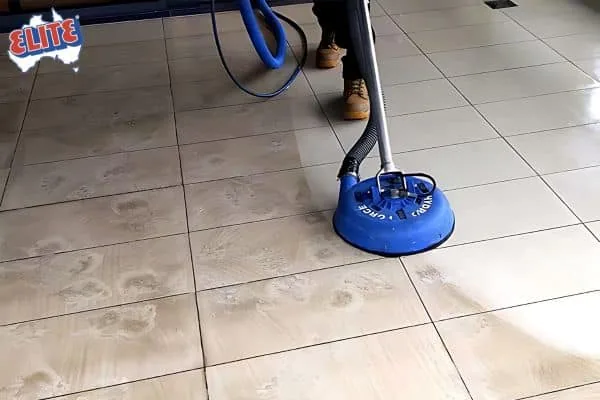 Tile & Grout Cleaning
 Commercial Cleaning
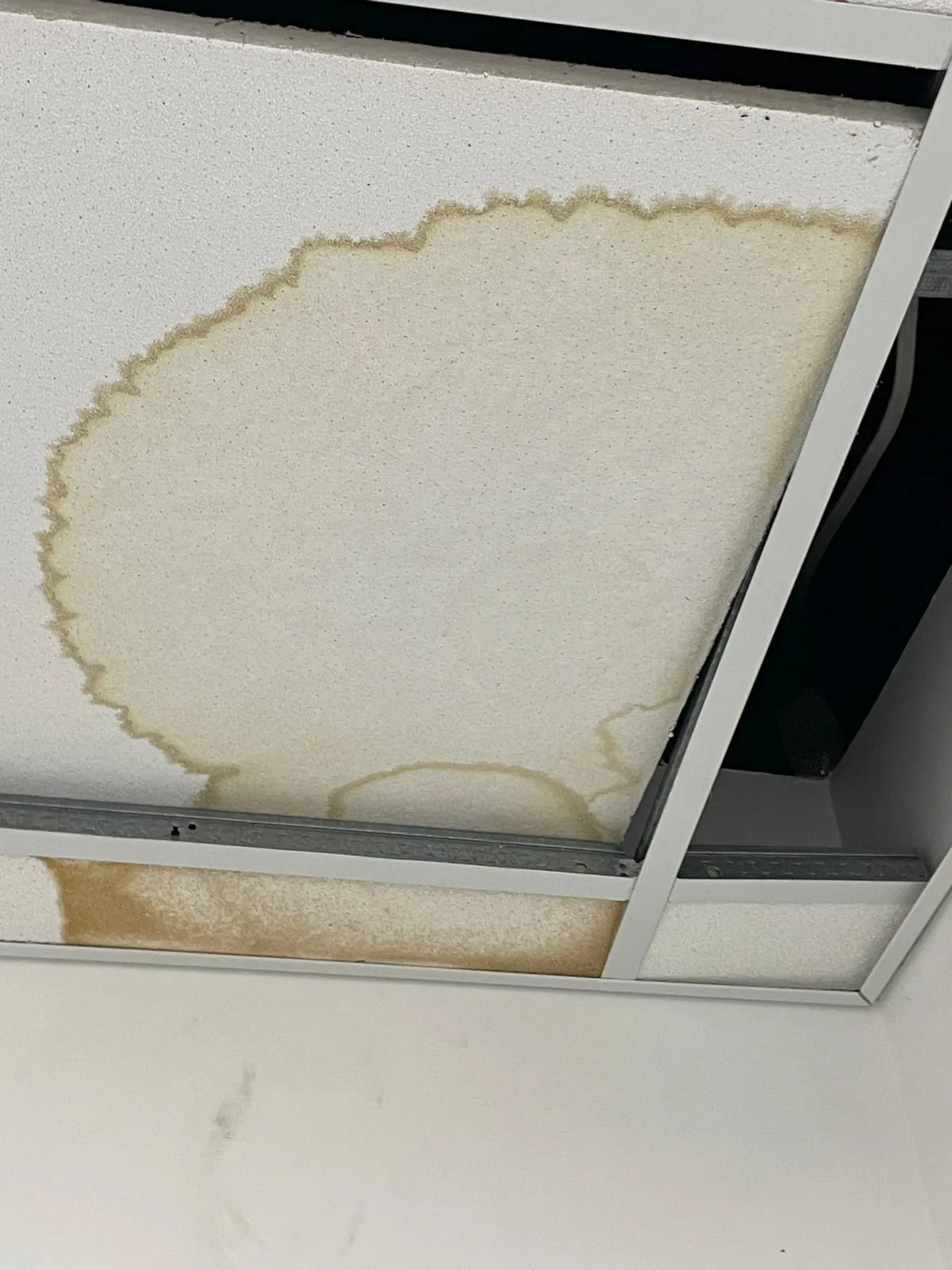 Water Damage Restoration
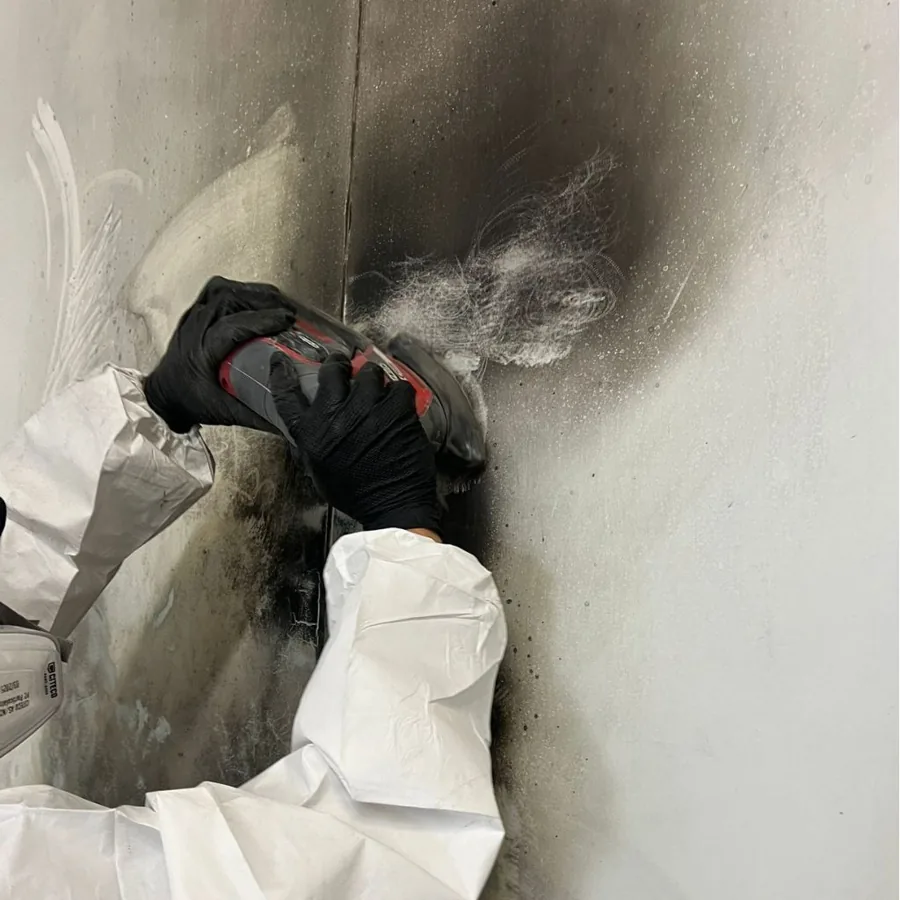 Fire and Smoke Restoration
 Mould Removal
 Mould Testing
 Laser Cleaning
 Pest Control
 Asbestos Removal
 Asbestos Testing
 Office Cleaning
 Graffiti Removal
 Dry Ice Blasting
 Pressure Washing
 Solar Panel Cleaning
 Structural Drying
 Dehumidifier Hire
 Air Quality Testing
 Floor Sanding
 Lead Paint Removal
 Roof Cleaning
 Gutter Cleaning
 Trauma & Crime Scene Cleaning
 Deceased Estate Clearing
 Hoarding & Squalor Cleaning
 Meth Testing & Decontamination