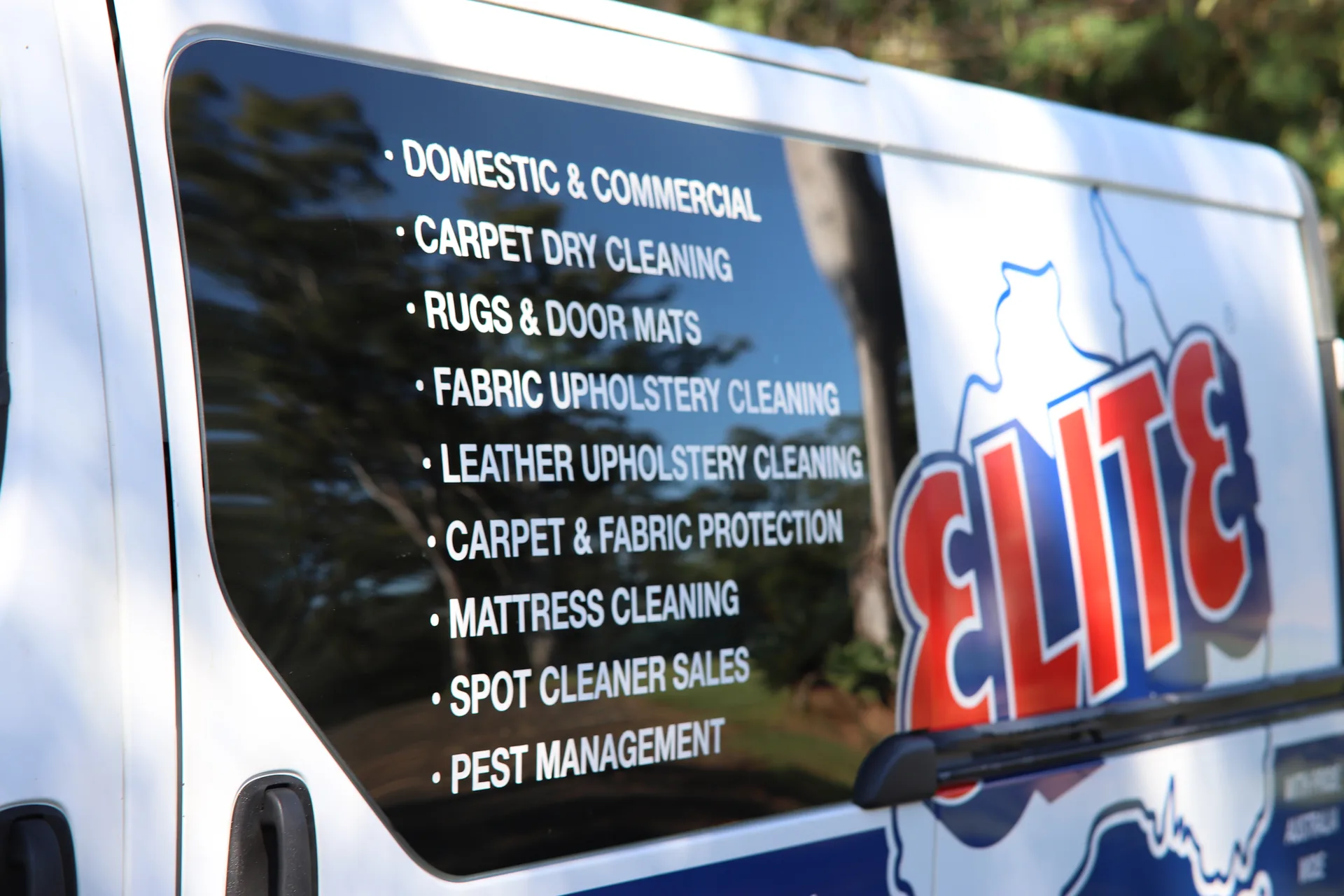
Tile sealing puts a sealer over clean, dry tile and grout so that grease and dirt are slower to soak back in. Grout is porous, and without a sealer it takes the next layer of grime straight into the joints. Our police-checked, fully insured technicians seal after a tile and grout clean, so the sealer goes onto a clean surface.
“We had a pipe burst in our ceiling, water seeped into our walls and our unit was at a very high risk for mould :( Guosheng worked tirelessly to ensure the drying process went as smooth as possible, even working until the evening on a Friday to ensure our walls would be dry and safe over the weekend! An extremely proficient and productive company that thrives on providing excellent service and quality work. Thank you so much for all of your help! <3”
“Guosheng from Elite Restoration did an amazing job dealing with the water damage to my unit, due to a burst pipe. Nothing was too hard and Guosheng had multiple tricks up his sleeve to ensure maximum drying capacity. The communication throughout the whole process was excellent, which made this very stressful situation for me a lot easier to handle. Thanks so much Guosheng.☺️”
Elite provides specialist cleaning and restoration for the BMS National Rugby Training Centre at Ballymore as a valued partner of Queensland Rugby Union.
Grout is porous. Grease, soap scum and fine dirt soak into it, below the surface a mop can reach. A sealer slows that down, but it has to go onto grout that is already clean and dry. That is why sealing comes after a clean and never in place of one.
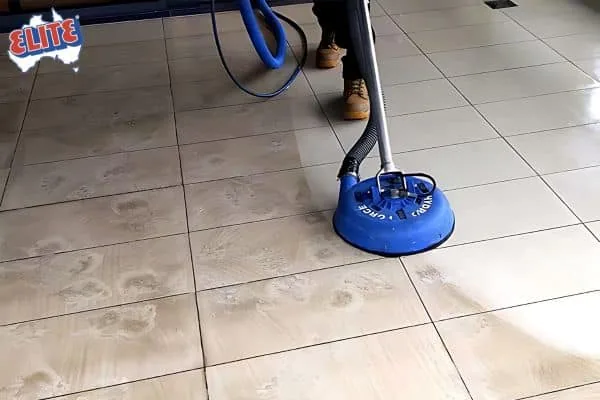
The tiles and grout are cleaned first: alkaline pre-treatment, agitation of the grout lines, then hot-water extraction to pull the slurry out.
The surface is left to dry, because the sealer goes onto clean, dry tile and grout.
The sealer is applied to suit the tile and grout you have.
The technician confirms the sealer and the order of work at the quote.
Grout sealing, tile types and natural stone
Grout sealing is worth doing where grime builds up quickly, such as kitchen floors, shower floors and busy walkways. Once the joints are sealed, a spill sits on the surface for longer and is easier to wipe up.
The tile matters as well. Glazed ceramic and porcelain shrug off most cleaners. Natural stone such as marble, travertine and limestone is acid-sensitive and needs a sealer suited to stone, so the technician checks what you have before choosing a product.
What tile sealing costs
There is no set sealing price. Tile sealing is quoted by area, in square metres, and the condition of the tiles is taken into account.
The clean that comes first starts from $13.20 per square metre for tile and grout cleaning. The quote sets out both the clean and the sealing before any work begins, so you see the full figure up front.
Who does the sealing
The technicians who clean and seal your tiles are police-checked and carry full insurance. Elite holds $20 million in public and products liability cover and backs the job with a satisfaction guarantee. The Elite brand has been operating since 1984.
Tile sealing questions
How long does a sealer last?
We do not promise a set number of years. The technician talks you through what to expect for your floor at the quote.
Does sealed grout stop every stain?
No. A sealer slows grease and dirt soaking in, which gives you more time to clean up a spill. It does not make grout stain-proof.
Can you seal natural stone?
Yes, with a sealer suited to stone. Acidic products are kept away from marble, travertine and limestone throughout the job.
 Carpet Cleaning
 Couch & Upholstery Cleaning
 Mattress Cleaning
 Tile & Grout Cleaning
 Commercial Cleaning
 Water Damage Restoration
 Fire and Smoke Restoration
 Mould Removal
 Mould Testing
 Laser Cleaning
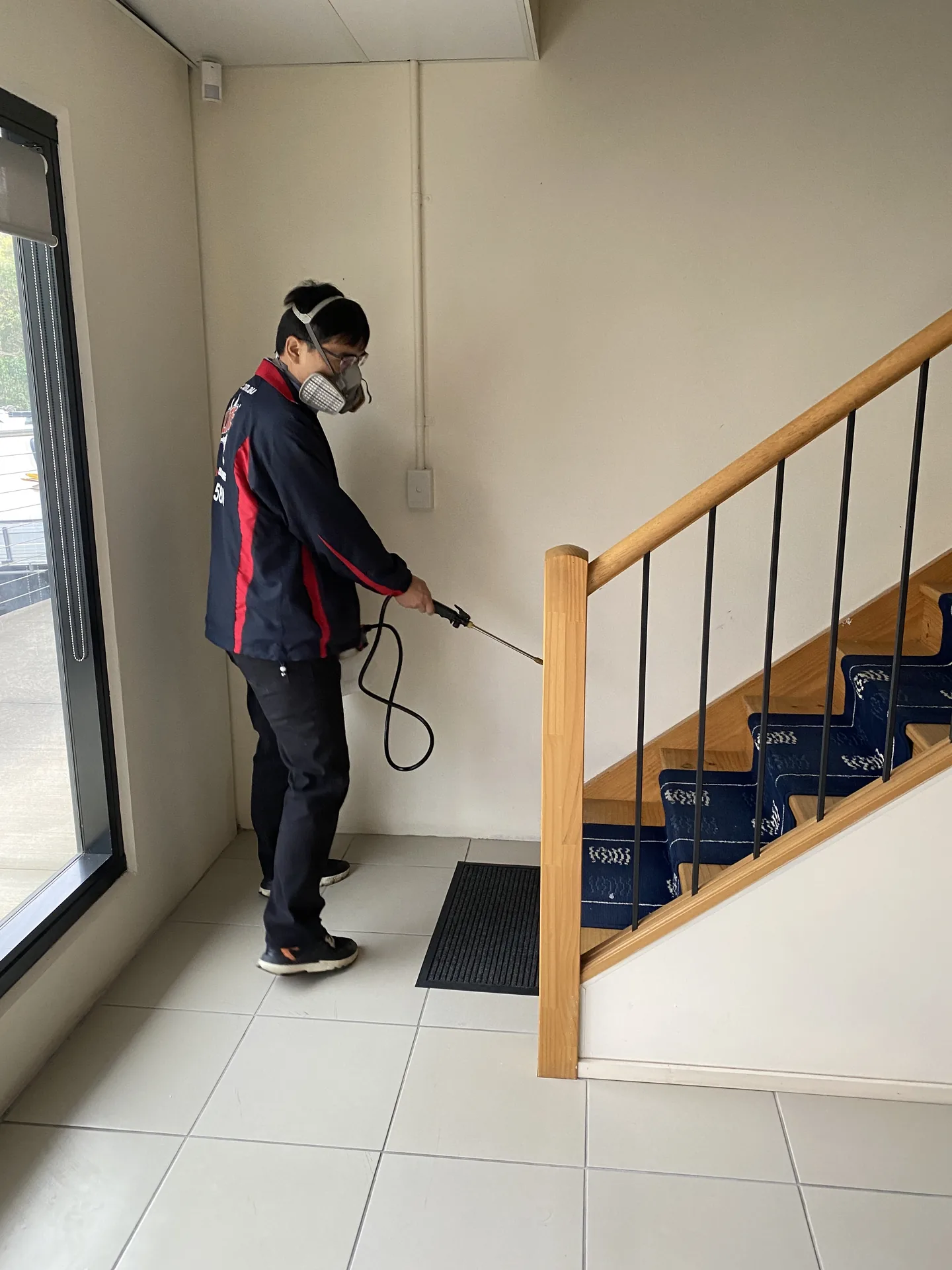 Pest Control
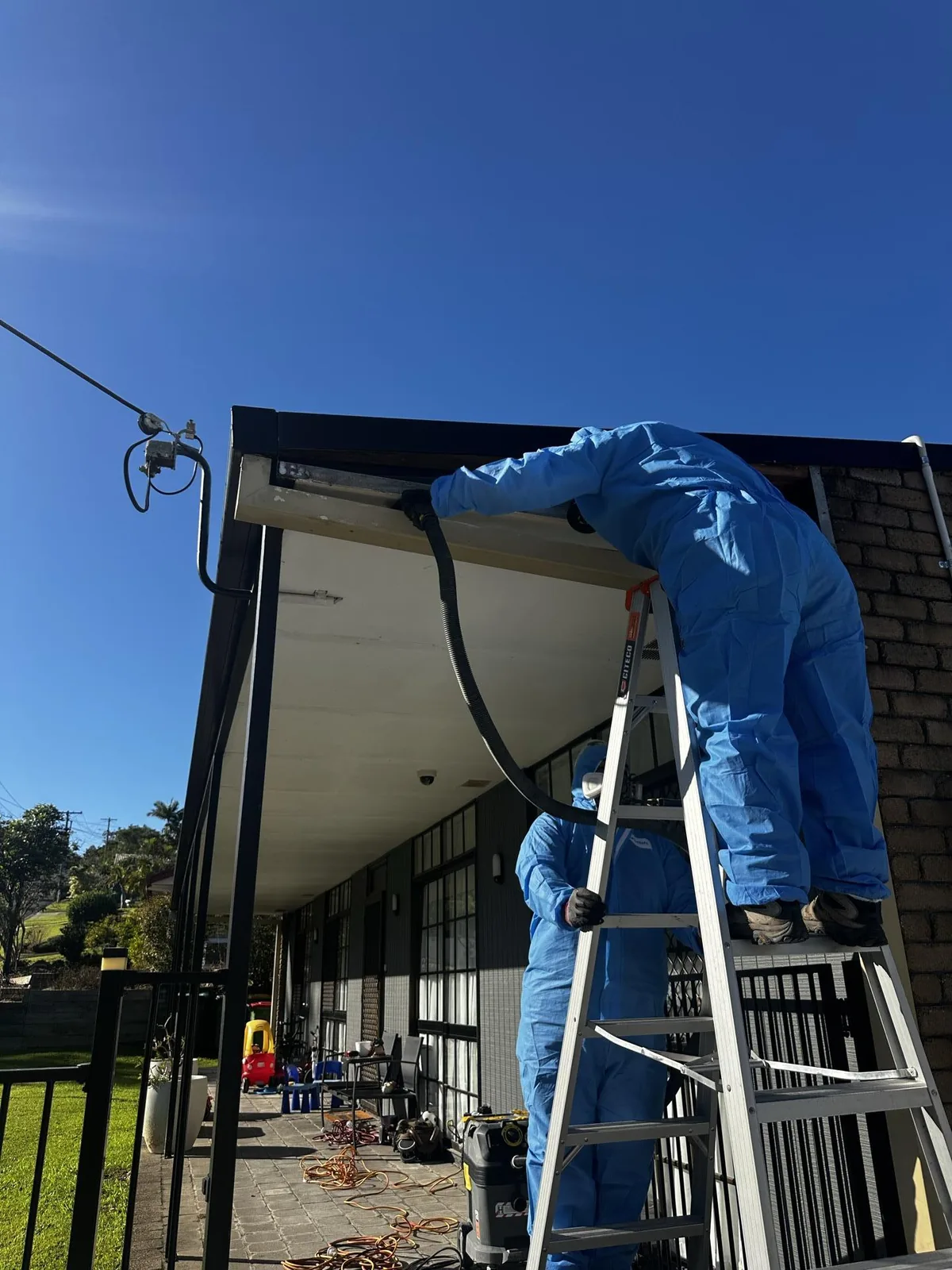 Asbestos Removal
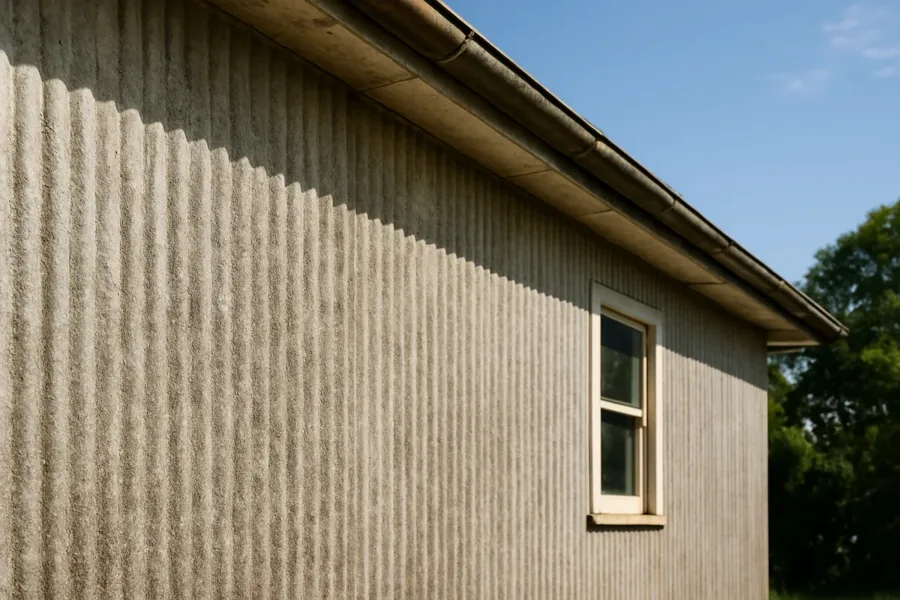 Asbestos Testing
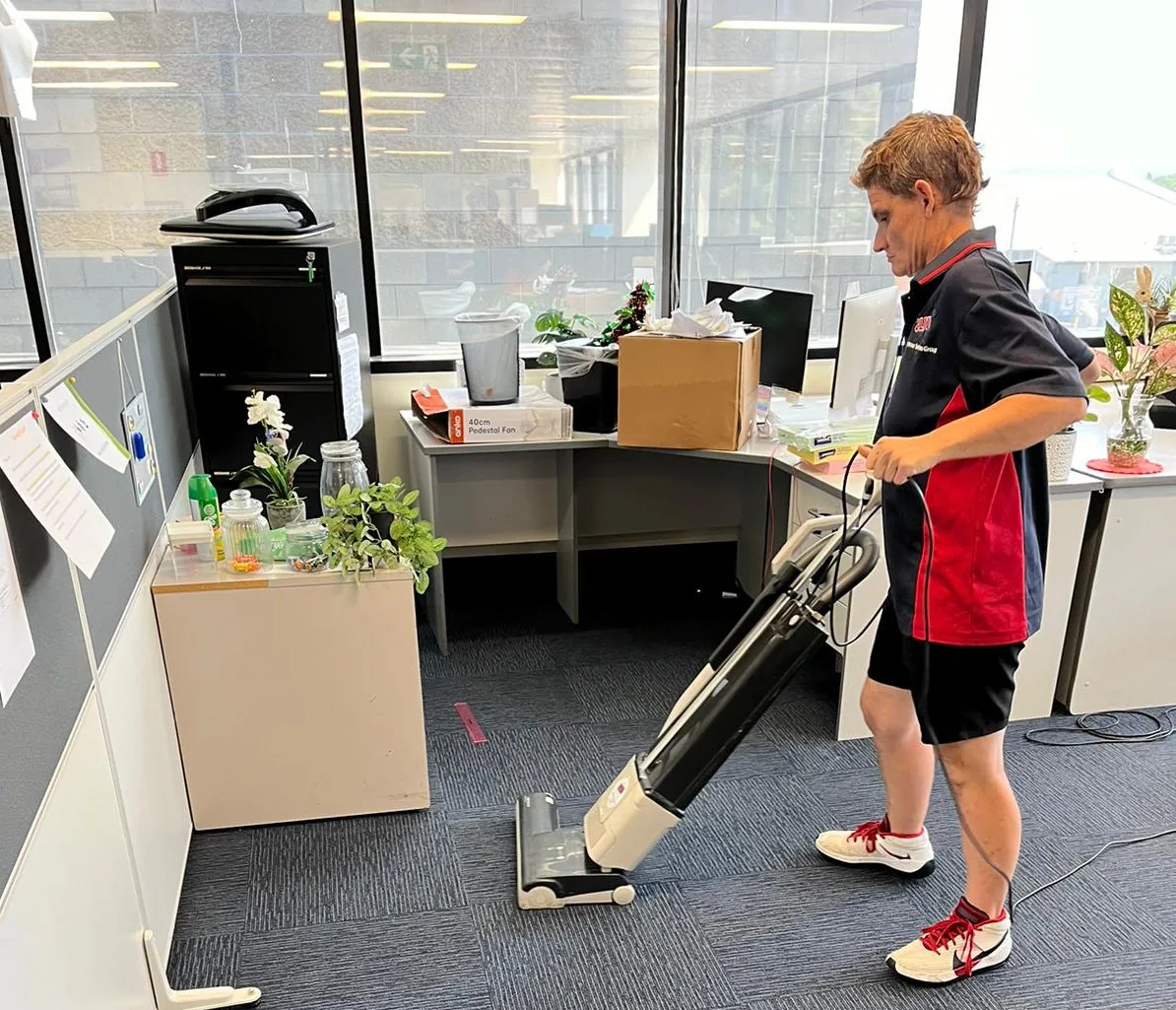 Office Cleaning
 Graffiti Removal
 Dry Ice Blasting
 Pressure Washing
 Solar Panel Cleaning
 Structural Drying
 Dehumidifier Hire
 Air Quality Testing
 Floor Sanding
 Lead Paint Removal
 Roof Cleaning
 Gutter Cleaning
 Trauma & Crime Scene Cleaning
 Deceased Estate Clearing
 Hoarding & Squalor Cleaning
 Meth Testing & Decontamination